Rooftop Tent Hire Kenya gives independent travelers an affordable and flexible way to combine a…
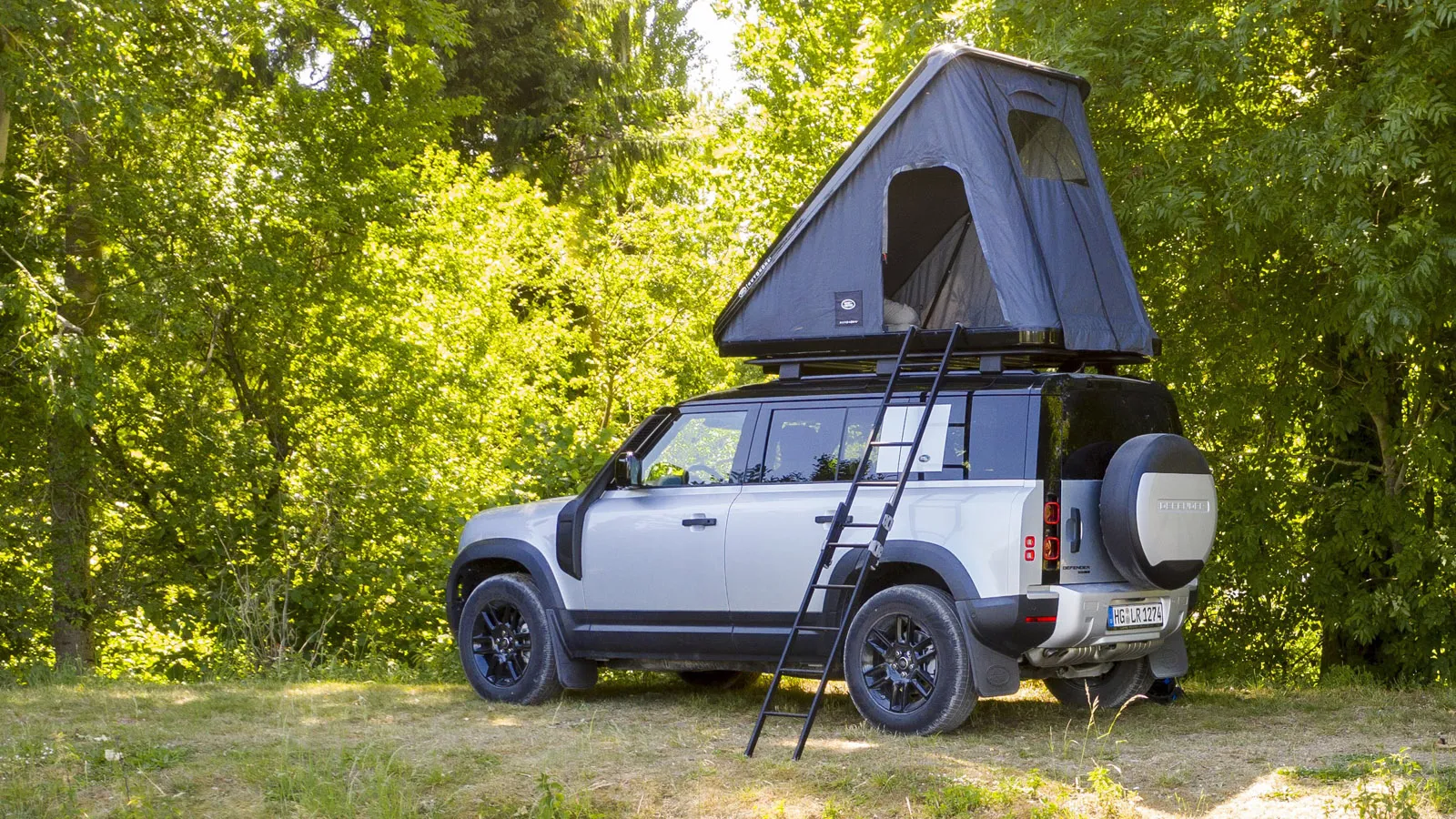
Roof-tent vehicle hire for Akagera National Park
There are many ways to discover Rwanda’s wildlife, but few offer the independence and connection with nature that come with roof-tent vehicle hire for Akagera National Park. Instead of travelling between a hotel and the park every morning, a properly equipped 4×4 allows you to combine your safari vehicle, transportation and camping accommodation into one adventurous package.
Akagera National Park is Rwanda’s great savannah wilderness. Its rolling plains, woodland, wetlands, lakes and open grasslands create a completely different landscape from the country’s mountainous west and north. For travelers who associate Rwanda primarily with mountain gorillas, arriving in Akagera can therefore be a surprise. Here, the landscape opens into classic African savannah inhabited by elephants, buffaloes, giraffes, zebras, antelopes, hippos, crocodiles, lions, rhinos and many other species.
Hiring a 4×4 equipped with a rooftop tent gives adventurous travelers the opportunity to experience this environment at a slower pace.
You can leave Kigali, drive toward eastern Rwanda, enter Akagera, spend the day following wildlife tracks and then settle into an authorized campsite instead of rushing back to the city.
The following morning begins inside the wilderness.
That combination is precisely why demand for roof-tent vehicle hire for Akagera National Park has grown among couples, photographers, independent travelers, overlanders and visitors planning longer Rwanda road trips.
This guide explains how rooftop-tent vehicle rental works, which 4×4 is suitable, where you can camp, what equipment you should carry, how to plan your game drives and how to combine Akagera with other destinations around Rwanda.
Why Choose Roof-Tent Vehicle Hire for Akagera National Park?
A conventional safari normally separates transportation and accommodation. You travel in one vehicle during the day and sleep in a lodge at night.
A rooftop-tent safari approaches the journey differently.
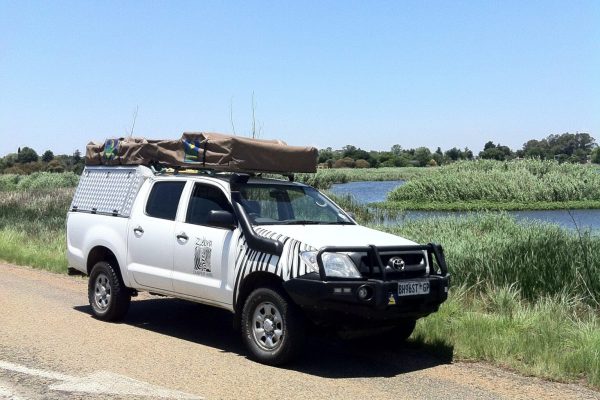
Your 4×4 becomes the foundation of your entire adventure. A folding tent is securely mounted on the roof rack and can be opened when you reach your authorized campsite. Depending on the rental package, the vehicle may also carry a mattress, bedding, chairs, camping table, cooking equipment, water storage, recovery equipment and other essentials.
This creates an unusually flexible way of exploring Rwanda.
Rather than organizing every day around hotel check-in and check-out times, you can concentrate on the landscapes, wildlife and journey itself.
For Akagera in particular, this makes sense because the park is large enough to reward visitors who spend more than a few hurried hours inside it.
A one-day safari is possible, but an overnight or multi-day visit gives you more time to appreciate the difference between southern Akagera’s lakes and woodland and the broad plains of the northern sector.
A rooftop tent makes that extended experience particularly memorable.
What Is a Rooftop-Tent Safari Vehicle?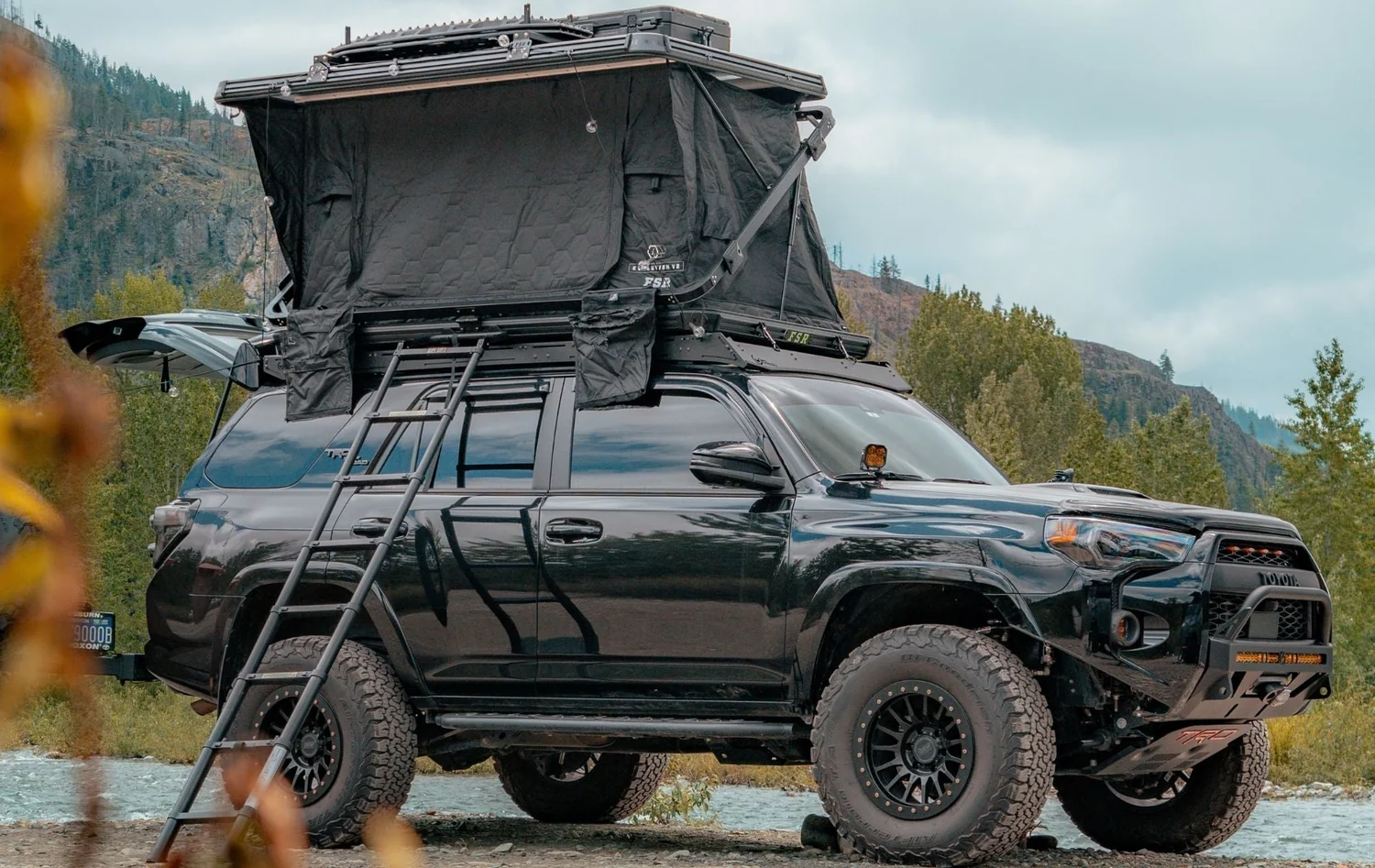
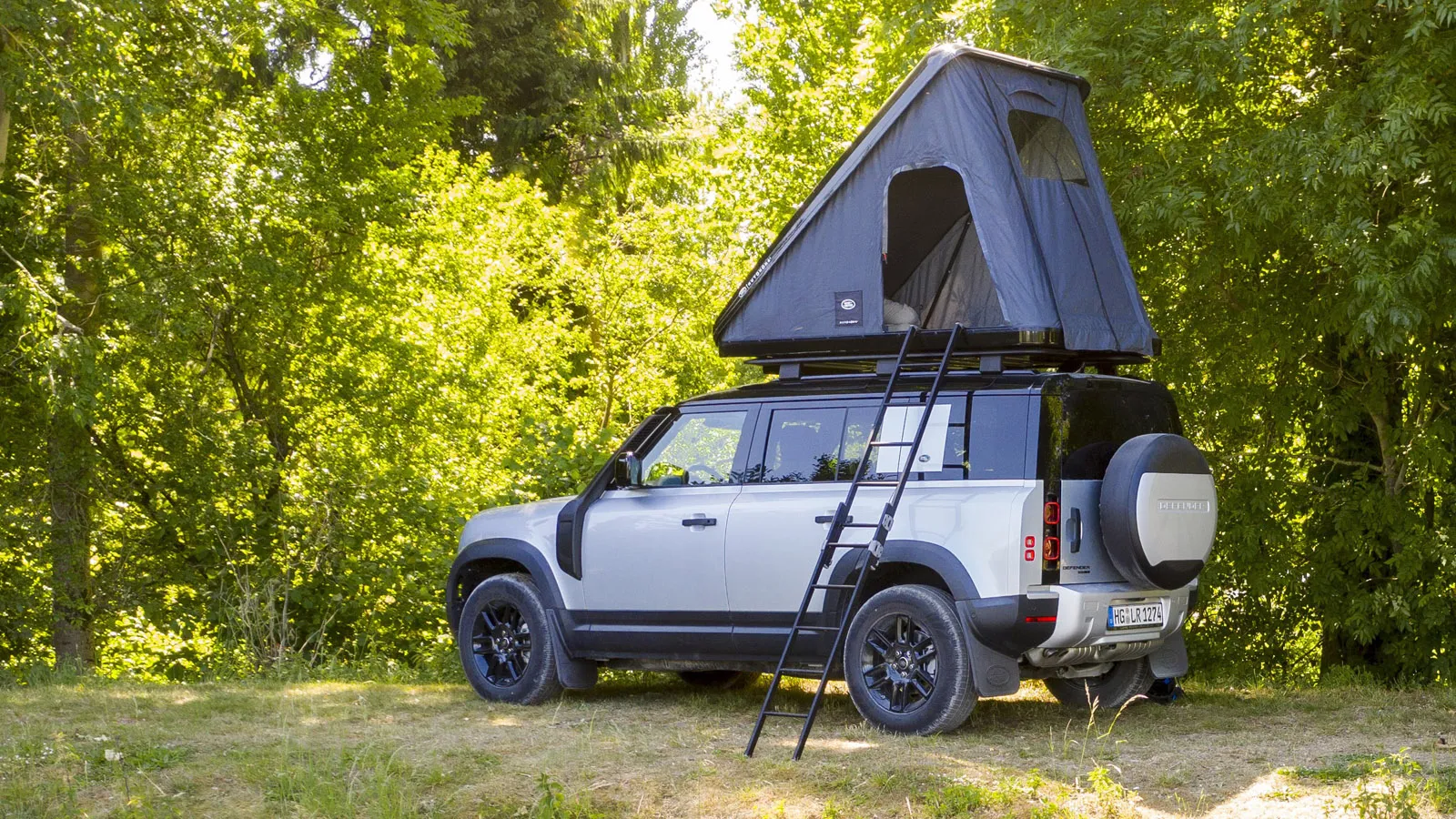
A rooftop-tent safari vehicle is generally a 4×4 fitted with a reinforced roof rack supporting a folding camping tent.
When packed, the tent remains folded securely above the vehicle. At camp it unfolds into an elevated sleeping platform, normally accessed using a ladder.
The concept is simple but extremely practical for African road trips.
Unlike a traditional ground tent, your sleeping platform is elevated above wet soil, dust and uneven ground. You do not need to find perfectly flat soil before establishing camp, although the vehicle itself should always be parked securely and as level as possible.
Most quality rooftop tents incorporate a mattress, ventilation panels, mesh windows and a weather-resistant outer covering.
For couples or two travelers, a single rooftop tent is often sufficient. Larger groups may require two tents, a larger vehicle or an additional ground-tent arrangement.
The vehicle matters just as much as the tent.
A rooftop tent mounted on an unsuitable or poorly maintained vehicle does not make a good safari setup. Travelers should look for a mechanically reliable 4×4 with suitable tires, adequate ground clearance, a proper spare wheel and a roof rack rated for the tent and occupants.
Why Akagera Is Ideal for a Rwanda Rooftop-Tent Safari
Akagera combines accessibility with genuine wilderness.
You can leave Rwanda’s capital and reach the eastern part of the country without undertaking the enormous transfer distances associated with many larger African safari destinations.
Once inside the park, however, the atmosphere changes dramatically.
Savannah stretches toward Tanzania. Lakes and papyrus wetlands break up the grasslands. Giraffes move between acacia trees, zebra and antelope gather across open areas, and large mammals can appear around bends in the track.
This contrast between convenient access and wild surroundings makes Akagera particularly suitable for independent road trips.
Camping takes the experience further.
Instead of seeing the park only through the window of a vehicle, you experience the transition from afternoon to evening and from darkness to sunrise.
The sounds change. The temperature changes. Birds settle for the evening and begin calling again around dawn.
It becomes more than a game drive.
It becomes a night in the African wilderness.
Roof-Tent Vehicle Hire for Akagera National Park and Self-Drive Freedom
One of the main reasons travelers choose roof-tent vehicle hire for Akagera National Park is independence.
A private self-drive safari gives you control over your pace.
If you find giraffes moving through the woodland, you can stop and watch them.
If you encounter elephants near the road, you can wait at a safe distance.
If an attractive landscape catches your attention, you can spend additional time photographing it rather than following a rigid group schedule.
This flexibility is especially valuable for wildlife photographers and travelers who prefer quiet observation.
However, independence should never be confused with ignoring park regulations.
Self-drive visitors must remain on permitted roads, follow instructions from park authorities, respect wildlife, observe speed restrictions and use designated campsites.
Wild animals always have priority.
A 4×4 provides mobility, but responsible behavior provides safety.
Choosing the Best 4×4 for Akagera National Park
Not every vehicle marketed as an SUV is equally suitable for a camping safari.
Akagera contains unpaved game-viewing roads and conditions can vary according to weather, season and location. A higher-clearance 4×4 provides additional confidence, particularly when carrying rooftop camping equipment.
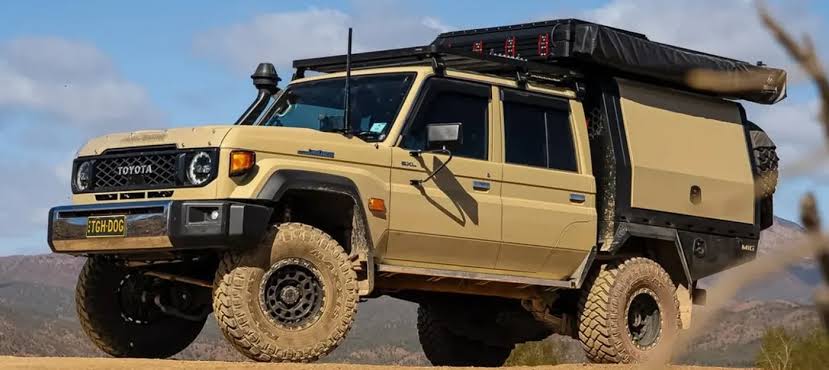
The Toyota Land Cruiser family remains popular for African safaris because of its durability, ground clearance and ability to handle rough surfaces.
A Land Cruiser Prado can be a comfortable choice for couples and small families seeking a balance between road comfort and off-road ability.
A Land Cruiser Hardtop may appeal to travelers prioritizing ruggedness and carrying capacity.
A Toyota Hilux can also provide strong off-road performance and useful cargo space, particularly when configured specifically for camping.
Smaller 4×4 vehicles may be suitable for certain journeys, but travelers should think carefully about luggage, water, camping equipment and roof load before choosing purely according to the lowest rental price.
The cheapest vehicle is not necessarily the cheapest trip if inadequate space or poor mechanical preparation creates problems later.
4×4 Rooftop Tent Rwanda: What Equipment Should Be Included?
A good camping package should provide considerably more than a tent attached to a vehicle.
At minimum, the sleeping setup should include a secure rooftop tent and mattress.
Depending on your rental agreement, additional equipment may include pillows or bedding, camping chairs, a folding table, gas cooker, cooking utensils, plates, cups, cutlery, water containers, cooler box and basic lighting.
Vehicle recovery equipment is equally important.
A full-size spare tire, jack and basic toolkit should be present before departure.
Ask the rental provider what is included rather than assuming every item comes automatically.
Some companies advertise an attractive base rate but charge separately for bedding, camping equipment, refrigerator, extra driver, airport delivery or additional mileage.
A transparent quotation makes comparison easier.
At Universal Ventures Rwanda, travelers can discuss the complete safari requirement rather than simply requesting a vehicle. This makes it possible to match the vehicle, camping arrangement and itinerary to the number of travelers and intended route.
Camping Inside Akagera National Park
One of the biggest advantages of choosing a rooftop tent for Akagera is access to designated campsites within the park.
Akagera currently has four official campsites: Muyumbu, Shakani, Mihindi and Mutumba.
Each offers a different experience.
Muyumbu Campsite
Muyumbu is positioned on a ridge with attractive views toward Lake Ihema and Tanzania.
Its elevated setting makes sunrise particularly rewarding.
For travelers arriving through the southern entrance and wanting a relatively accessible first night, the location can work very well.
It also allows visitors to enjoy the feeling of wilderness without immediately driving all the way to the northern end of the park.
Shakani Campsite
Shakani provides a different atmosphere.
Its lakeside setting creates an intimate connection with Akagera’s wetland environment. Birdlife can be impressive, and the sounds associated with the lake make the campsite distinctly different from the hilltop locations.
Travelers who appreciate water, birds and photography may find this setting particularly appealing.
Because hippos and other wildlife inhabit the surrounding environment, campers must respect all park safety instructions.
A rooftop tent does not turn a campsite into a wildlife-free zone.
Mutumba Campsite
Mutumba is one of the most appealing choices for travelers seeking a deeper wilderness experience.
Located in northern Akagera, it offers wide views over the surrounding landscape and access to wildlife-rich northern areas.
Getting there requires considerably more driving inside the park than reaching the southern campsites.
That is not necessarily a disadvantage.
The drive itself becomes part of the safari.
With a reliable 4×4, enough time and an early start, moving gradually north allows you to explore different habitats before reaching camp.
For travelers planning a true Akagera camping safari, Mutumba can be one of the highlights of the journey.
Mihindi Campsite
Mihindi is also situated in northern Akagera and offers more developed facilities than some of the basic campsites.
Its position makes it useful for travelers who want to spend substantial time exploring northern game-viewing areas.
Choosing between Mihindi, Mutumba, Shakani and Muyumbu should therefore depend on your route, desired facilities and how much time you have rather than simply selecting whichever name appears first online.
Rooftop Tent Rental Kigali to Akagera National Park
Kigali is the natural starting point for most Akagera self-drive adventures.
International visitors arriving through Kigali International Airport can collect or arrange delivery of their safari vehicle in the city before beginning the journey east.
Starting in Kigali has several advantages.
It allows you to purchase food and supplies, check the camping equipment, become familiar with the vehicle and ask questions before entering the park.
Do not rush this handover.
Before departing, learn how to open and close the rooftop tent properly.
Check the spare tire.
Understand how the jack works.
Inspect the fuel level.
Confirm the vehicle’s emergency contact information.
Check whether the rental agreement allows national park use.
If you are continuing beyond Rwanda, confirm cross-border permission before leaving Kigali.
A twenty-minute vehicle briefing can prevent hours of confusion later.
Best Time for a Roof-Tent Safari in Akagera
Akagera can be visited throughout the year, but the character of the safari changes with the seasons.
Drier periods generally make wildlife viewing easier because vegetation can be less dense and animals frequently gather around dependable water sources.
Road conditions can also be more straightforward.
This makes the dry season attractive for first-time self-drivers.
The wetter months create a different experience.
The landscape becomes greener, skies can be dramatic and birding can be excellent.
Photographers often appreciate the richer vegetation and atmospheric conditions.
Rain, however, can make some tracks more challenging.
This is when the advantages of a capable 4×4 become particularly clear.
Travelers visiting during wetter periods should allow more time, avoid unnecessary risks and follow current advice from park staff.
Roof-Tent Vehicle Hire for Akagera National Park During the Dry Season
Dry-season travel is often the easiest introduction to roof-tent vehicle hire for Akagera National Park.
Game-drive tracks are generally easier to negotiate, camp setup is less likely to happen in rain and clear mornings make early wildlife drives enjoyable.
It is also a popular travel period.
That means vehicles and campsites should be organized ahead of time rather than assuming that your preferred configuration will remain available.
The best-equipped Land Cruisers with rooftop tents can be limited during peak travel dates.
Early planning is particularly important for travelers combining Akagera with gorilla trekking because gorilla permits and preferred accommodation near Volcanoes National Park add another layer of availability constraints.
Roof-Tent Vehicle Hire for Akagera National Park in the Green Season
The greener months should not automatically be dismissed.
For repeat safari travelers, photographers and bird enthusiasts, they can be extremely rewarding.
The park looks vibrant, landscapes photograph beautifully and the atmosphere can feel quieter.
The key is preparation.
Your tent should be waterproof.
The vehicle should have good tires.
Your luggage should be packed so important items remain dry.
You should also avoid treating muddy tracks as an off-road challenge.
A safari is not a competition to see where a vehicle can get stuck.
When conditions look uncertain, ask park staff about current routes and use sensible alternatives.
Wildlife You May Encounter in Akagera National Park
Akagera’s recovery has made it one of Rwanda’s major conservation success stories.
Today, visitors come to search for a remarkable variety of wildlife.
Elephants are among the most impressive animals encountered during a drive. Their size becomes especially apparent when a family group crosses the road in front of your vehicle.
Buffaloes are also frequently associated with Akagera’s grasslands and wetlands.
Giraffes add another distinctive silhouette to the savannah.
Zebra, topi, impala, waterbuck and other herbivores contribute to the constant activity across the landscape.
Predators require patience.
Lions may be encountered in open areas, but sightings are never guaranteed.
Leopards are naturally more elusive.
Rhinos are another important part of Akagera’s restored ecosystem.
The correct approach to any safari is to appreciate what nature provides rather than treating individual species as guaranteed appointments.
That mindset makes every encounter more rewarding.
Birdwatching from a Rooftop-Tent Safari
Akagera is not only about large mammals.
The combination of lakes, wetlands, savannah, woodland and grassland supports exceptional bird diversity.
For birders, spending a night inside the park provides an advantage that day visitors cannot fully reproduce.
You are present as the bush begins waking.
Early morning can bring a completely different chorus from what you hear in the middle of the day.
Wetland areas around Lake Ihema and other lakes deserve particular attention.
Bring binoculars and, if photography is important, a suitable telephoto lens.
A beanbag can also be extremely useful for stabilizing a camera from a vehicle window.
Lake Ihema Boat Safari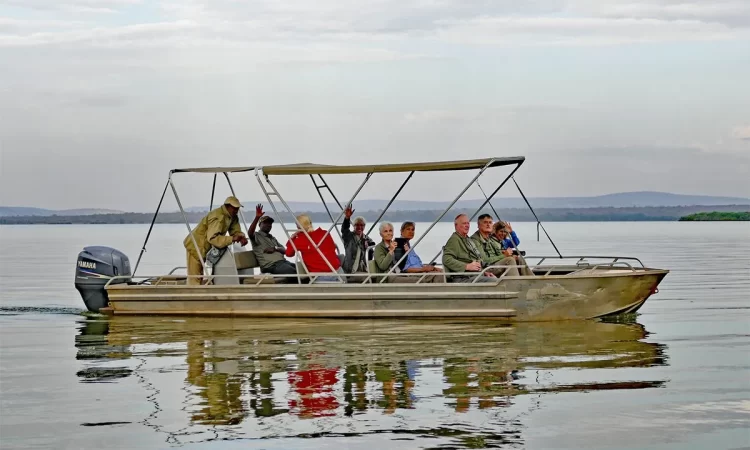
A self-drive safari does not mean every experience has to happen from your rental vehicle.
A boat safari on Lake Ihema complements the road journey beautifully.
From the water, visitors gain a different perspective on Akagera’s ecosystem.
Hippos, crocodiles, waterbirds and animals approaching the shoreline can all become part of the experience.
Scheduled boat trips are available through Akagera, including daytime and sunset options.
For rooftop-tent travelers, combining a boat trip with camping creates a varied itinerary without needing to leave the park.
You might spend the morning driving, enjoy a boat safari later in the day and then return to your designated campsite.
That rhythm is far more relaxed than attempting to fit everything into a rushed day trip from Kigali.
Night Game Drives in Akagera
Another advantage of staying overnight is the possibility of experiencing Akagera after daylight.
Night drives are organized by the park rather than undertaken independently in your rental vehicle.
They reveal a different side of the ecosystem.
Nocturnal species become active, familiar landscapes look completely different and the experience of searching the darkness using spotlights adds another dimension to the safari.
Travelers should arrange the activity through the appropriate park booking channels and confirm current departure arrangements.
Never attempt an unauthorized night drive simply because you have rented a 4×4.
Your rental vehicle gives you independence within the rules; it does not replace park regulations.
Self-Drive Akagera National Park or Driver-Guide Safari?
Not every traveler who likes the idea of rooftop camping necessarily wants to drive.
Fortunately, these are separate decisions.
You can enjoy a camping-style safari with a driver-guide.
A guided arrangement is particularly useful for visitors who want to concentrate entirely on wildlife and photography rather than navigation.
An experienced driver-guide also understands local roads, wildlife behavior and practical safari logistics.
Self-drive, on the other hand, provides maximum privacy and independence.
Couples and experienced overland travelers often enjoy being completely responsible for their schedule.
Neither approach is universally superior.
The right choice depends on your driving confidence, safari experience and preferred style of travel.
Universal Ventures Rwanda can arrange private safari transportation and help travelers select an arrangement appropriate to their itinerary.
Is a Land Cruiser Necessary for Akagera?
Travelers often ask whether they absolutely need a Land Cruiser.
The better question is what level of capability, comfort and reliability your trip requires.
During favorable conditions, some routes may be manageable in smaller four-wheel-drive vehicles.
However, a Land Cruiser offers advantages in ground clearance, robustness, luggage capacity and performance on rough tracks.
These benefits become more important when carrying a rooftop tent, camping equipment, water and luggage.
For a short dry-season visit by two people, a compact 4×4 may be adequate depending on current conditions.
For a longer camping expedition, wet-season travel or a route extending into other parts of East Africa, a Land Cruiser or similarly capable vehicle can be the more comfortable choice.
Why Ground Clearance Matters
Ground clearance rarely receives the attention it deserves when travelers compare rental prices.
On paved roads, it hardly seems important.
Inside a safari park, the situation changes.
Uneven tracks, erosion, stones and drainage channels can make a low vehicle inconvenient or vulnerable.
Higher clearance gives the driver more room for error.
It does not mean you should drive carelessly.
Quite the opposite.
A good safari driver moves slowly, reads the road ahead and avoids unnecessary stress on the vehicle.
The objective is not to prove how capable your 4×4 is.
The objective is to complete your journey comfortably without damaging it.
Why Tire Condition Matters More Than Vehicle Age
Travelers frequently ask for the newest possible vehicle.
Age matters less than maintenance.
A well-maintained Land Cruiser with strong tires can be a better safari vehicle than a newer SUV that has been poorly prepared.
Before accepting your rental, inspect the tires.
Look at tread depth.
Check the spare.
Make sure the wheel-changing tools are present.
Ask when the vehicle was last serviced.
Confirm what to do in case of a mechanical problem.
A reputable 4×4 rental Rwanda provider should be comfortable answering these questions.
Camping Food and Supplies
One of the pleasures of a rooftop-tent safari is preparing simple meals outdoors.
It is also an area where planning matters.
Buy essential supplies before entering remote areas.
Carry sufficient drinking water.
Choose food that stores well and can be prepared with limited equipment.
Keep waste contained and follow park instructions for disposal.
Never leave food accessible around camp.
Wildlife should never be encouraged to associate campsites with food.
Cooking should remain simple.
After a full day of game driving, most travelers appreciate an easy meal more than an elaborate recipe requiring an hour of preparation.
Pasta, rice, vegetables, fruit, bread, eggs and simple grilled foods can work well depending on refrigeration and dietary preferences.
Water for an Akagera Camping Safari
Do not underestimate water consumption.
Rwanda’s climate varies by region and altitude, and eastern Rwanda can feel considerably warmer than Kigali or the highlands.
Carry drinking water plus an additional reserve.
Water may also be required for cooking and basic cleaning.
Your rental company should explain what water-storage equipment is provided.
Reusable containers are preferable to buying large numbers of small disposable bottles.
They are easier to organize inside the vehicle and create less waste.
Fuel Planning
Fuel management is another basic part of responsible self-driving.
Do not enter the park assuming you can refuel whenever convenient.
Begin with enough fuel for your intended game-drive route plus a sensible reserve.
Game drives often cover more distance than travelers expect because wildlife sightings encourage detours and slow exploration.
A route that looks short on a map can consume several hours.
Fuel planning becomes even more important if Akagera is one section of a larger Rwanda or East Africa road trip.
Charging Cameras and Phones
Modern safaris involve more electronics than ever.
Phones, cameras, drones where legally permitted, laptops, GPS devices and power banks all require electricity.
Ask whether your vehicle has USB charging points or other power outlets.
A high-capacity power bank can be extremely useful.
Photographers carrying multiple camera batteries should plan carefully before camping for several nights.
Do not assume every campsite offers electrical connections.
Part of rooftop-tent travel is being self-sufficient.
Photography from a 4×4 in Akagera
A private vehicle gives photographers one major advantage: time.
Instead of taking two photographs and moving because a group schedule demands it, you can observe an animal’s behavior and wait for a stronger composition.
Early morning and late afternoon provide attractive light.
Dust, grass and distant hills can become part of the image rather than merely background scenery.
Bring a telephoto lens for wildlife and a wider lens for landscapes and campsite photography.
Keep cameras accessible while driving but protected from dust.
Never leave the vehicle in an unauthorized area simply to improve a photograph.
No image is worth ignoring park regulations.
Safety When Camping in Akagera National Park
Wildlife camping requires discipline.
Always use designated campsites.
Follow instructions provided by Akagera staff.
Do not wander away from camp at night.
Do not approach animals.
Do not feed wildlife.
Keep food properly stored.
Use lights carefully after dark and remain aware that you are camping in a natural ecosystem rather than a fenced city campground.
A rooftop tent places your sleeping platform above the ground, but it does not make wildlife harmless.
Elephants, buffaloes, hippos and other large animals deserve substantial space and respect.
If wildlife enters or approaches an area, remain calm and follow park guidance.
Roof-Tent Vehicle Hire for Akagera National Park for Couples
Couples are particularly well suited to rooftop-tent travel.
A single tent generally provides the necessary sleeping space while leaving the rest of the vehicle available for luggage, food and equipment.
There is also something naturally private about this style of safari.
You travel at your own pace.
You choose when to stop.
You prepare dinner together.
You wake up inside one of Rwanda’s most beautiful landscapes.
For honeymooners who prefer adventure over conventional luxury, combining a rooftop-tent safari in Akagera with a comfortable lodge near Volcanoes National Park can create an interesting contrast.
One part of the trip is rugged and independent.
The other provides comfort after gorilla trekking.
Roof-Tent Vehicle Hire for Akagera National Park for Families
Families can also enjoy roof-tent vehicle hire for Akagera National Park, but the configuration requires more thought.
The number and ages of children determine whether one rooftop tent is enough.
A second rooftop tent, larger tent or supplementary camping arrangement may be necessary.
Storage space is equally important.
Four travelers produce far more luggage, bedding, food and water than two.
This is where a larger Land Cruiser or another spacious 4×4 becomes valuable.
Families should prioritize comfort and organization rather than choosing the smallest possible vehicle to reduce the daily rental rate.
Akagera Self-Drive Safari for Solo Travelers
Solo travel provides maximum independence but also places all responsibilities on one person.
You drive.
You navigate.
You set up camp.
You prepare food.
You monitor the vehicle.
For confident travelers, this can be enormously rewarding.
However, a solo traveler should be particularly careful about fatigue.
Do not attempt excessively long game drives after arriving from an overnight flight.
Take breaks.
Stay hydrated.
Inform the relevant people about your route.
Keep emergency contact information accessible.
A private driver-guide can also be worthwhile if you want the privacy of a solo trip without the pressure of handling every driving task yourself.
Suggested Two-Day Akagera Rooftop-Tent Safari
A two-day trip is an excellent introduction.
Leave Kigali early on the first morning and drive east toward Akagera.
After completing entrance procedures, begin exploring the southern part of the park.
Take your time around the lakes and surrounding habitats.
Depending on your reservations, incorporate a Lake Ihema boat trip before continuing toward your campsite.
Set up the rooftop tent before darkness.
Enjoy a simple dinner and the sounds of the park after sunset.
The following morning, wake early.
Pack the tent carefully and begin your game drive while temperatures are still cool.
Move gradually through wildlife-rich areas and explore northern Akagera before completing your safari.
The exact route should always reflect current road conditions, gate arrangements and park advice.
Suggested Three-Day Akagera Camping Safari
Three days creates a much more relaxed experience.
Day one can focus on arrival, southern Akagera and the lakes.
Day two becomes a full wildlife day with no need to hurry back toward Kigali.
You can spend more time in central and northern areas and potentially combine game drives with another activity.
The third morning gives you another valuable wildlife-viewing period before departure.
This format is particularly good for photographers.
Wildlife is unpredictable.
Having several mornings and afternoons dramatically increases the variety of situations you may experience, even though no particular sighting can ever be guaranteed.
Kigali to Akagera National Park Road Trip
The journey from Kigali toward Akagera reveals Rwanda beyond the capital.
Urban streets gradually give way to smaller towns, farmland and the warmer landscapes of eastern Rwanda.
Because distances are relatively manageable, travelers can begin in Kigali and reach Akagera on the same day.
Still, leave early.
A rooftop-tent safari should not begin with a race against daylight.
An early departure gives you time to handle park formalities, enjoy your first game drive and reach the campsite comfortably.
Combining Akagera with Volcanoes National Park
One of Rwanda’s greatest advantages is the ability to experience dramatically different ecosystems within one trip.
After exploring savannah in Akagera, you can travel toward the volcanic northwest.
Volcanoes National Park replaces open plains with mountains, bamboo and rainforest.
This is Rwanda’s famous mountain-gorilla region.
The contrast is extraordinary.
One morning you might be watching giraffes across open grassland.
A few days later you could be trekking through mountain forest in search of gorillas.
A 4×4 rental makes the overland journey between these regions straightforward, although camping inside Volcanoes National Park itself should not be assumed. Travelers should use authorized accommodation or camping facilities outside protected areas.
Combining Akagera with Lake Kivu
After several days of dusty safari tracks, Lake Kivu provides a completely different atmosphere.
The lake’s shoreline, hills and towns make it ideal for slowing down after wildlife viewing.
Depending on your route, you might continue toward Rubavu, Karongi or another lakeside destination.
Activities can include boat excursions, coffee experiences, walking and simply enjoying the scenery.
Travelers undertaking longer Rwanda self-drive trips often appreciate this variety.
A well-planned route might combine Akagera’s savannah, Volcanoes National Park’s primates and Lake Kivu’s relaxed shoreline without needing to cross international borders.
Combining Akagera with Nyungwe Forest
For a more extensive Rwanda circuit, continue south toward Nyungwe.
Nyungwe introduces ancient montane rainforest, primates, birds and hiking.
Chimpanzee trekking is one of the region’s major attractions.
This creates an exceptionally diverse itinerary:
Akagera for Big Five wildlife.
Nyungwe for chimpanzees and rainforest.
Volcanoes National Park for mountain gorillas.
Lake Kivu for scenery and relaxation.
Kigali for arrival, departure and cultural experiences.
A capable 4×4 makes this circuit especially appealing to independent travelers.
Rwanda Self-Drive Safari Versus Traditional Lodge Safari
The biggest difference is not simply cost.
It is the relationship you have with the journey.
On a lodge-based safari, accommodation is a destination.
On a rooftop-tent safari, movement and accommodation become part of the same experience.
You pack the tent each morning.
You organize your equipment.
You choose your route.
You prepare meals.
This involvement is precisely what many travelers love.
Others prefer to finish a game drive and walk into a lodge where dinner and a prepared room are waiting.
Neither is wrong.
Choose the experience that matches your personality rather than selecting rooftop camping purely because it sounds adventurous online.
Is Rooftop-Tent Camping Cheaper Than Lodges?
It can be, particularly for longer journeys, but price should be calculated carefully.
Your total cost may include vehicle rental, rooftop-tent equipment, park entry, vehicle charges, campsite fees, fuel, food, activities and optional guides.
Luxury lodges can be significantly more expensive, making camping attractive for budget-conscious travelers.
However, rooftop-tent travel should not be viewed merely as the cheapest possible safari.
Its strongest value is freedom.
You are paying for transportation, accommodation capability and independence in one setup.
For many travelers, that combination is more important than simply finding the lowest nightly cost.
Akagera National Park Fees and Camping Costs
Park charges vary according to nationality or residency category, length of stay, vehicle registration and chosen activities.
For 2026, international adult visitors are charged USD 100 for one day/night, USD 150 for two nights and USD 200 for three nights according to the published Akagera pricing.
Camping carries an additional per-person charge.
Activities such as boat trips and night drives are priced separately.
Because park rates and policies can change, always verify the latest official prices when confirming your safari rather than relying on an old blog post or screenshot.
Your rental company can help with transportation planning, but park fees remain governed by Akagera National Park.
How Long Should You Spend in Akagera?
One day is possible.
Two days are better for most visitors.
Three days are excellent for travelers who enjoy wildlife, camping or photography.
A one-day safari provides an introduction but requires a long day if beginning and ending in Kigali.
An overnight visit removes some of that pressure.
Two nights allow the safari to become an experience rather than simply an excursion.
If you have already decided to rent a rooftop tent, spending at least one night in an authorized campsite makes full use of the equipment and creates the kind of experience rooftop camping is designed for.
Do You Need a Safari Guide?
Independent game driving is attractive because of its freedom.
A guide, however, can add considerable value.
Experienced guides understand animal behavior, habitats and likely wildlife locations.
They may notice tracks, calls and movements that first-time visitors overlook.
One sensible compromise is to self-drive while arranging a guide for part of the experience.
This preserves your independence while adding local knowledge at the moment it is most useful.
Roof-Tent Vehicle Hire for Akagera National Park: What to Pack
Pack for practicality rather than fashion.
Lightweight clothing works well during the day.
Bring warmer layers for mornings and evenings.
A rain jacket is useful even outside the main wet periods.
Closed shoes make camp life easier.
Sun protection is important.
Bring a hat, sunscreen and sunglasses.
For wildlife viewing, binoculars may become one of your most-used items.
A small headlamp is extremely useful around camp because it leaves both hands free.
Pack personal medication and a basic first-aid kit.
Camera users should bring spare batteries and adequate memory cards.
Above all, avoid overpacking.
Every unnecessary suitcase occupies valuable space that could otherwise hold food, water and camping equipment.
Responsible Camping in Akagera
The privilege of sleeping inside a protected wildlife area comes with responsibility.
Take waste out according to park instructions.
Avoid unnecessary noise.
Do not disturb animals for photographs.
Do not remove plants, stones or natural objects.
Never feed wildlife.
Keep your campsite organized and leave it as you found it.
Responsible tourism protects both wildlife and the experience of future visitors.
A successful rooftop-tent safari should leave you with photographs and memories, not leave the park with evidence that you were there.
Booking a 4×4 Rooftop Tent in Rwanda
Start by providing the rental company with your dates, number of travelers and intended route.
Be specific.
Tell them that you plan to enter Akagera National Park and camp.
Mention whether you will continue to Volcanoes National Park, Nyungwe, Lake Kivu or another country.
Ask exactly what equipment is included.
Confirm insurance conditions.
Ask about mileage.
Confirm fuel policy.
Check whether roadside assistance is available.
If crossing borders, obtain written authorization and understand the required documentation.
A professional rental company should help you understand these details before payment rather than leaving surprises for vehicle collection day.
Why Book Your Rwanda Safari Vehicle Locally?
A Rwanda-based operator understands the roads, seasons, park logistics and practical realities of traveling around the country.
Local assistance becomes especially valuable when plans change.
You may decide to add another night.
Weather might affect a route.
You might need assistance with an activity booking.
Working with a local team means there is someone nearby who understands the destination rather than a call center thousands of kilometers away.
Universal Ventures Rwanda can assist travelers planning private Rwanda safaris, vehicle logistics and customized itineraries around Akagera and other major destinations.
Roof-Tent Vehicle Hire for Akagera National Park with Universal Ventures Rwanda
Travelers looking for roof-tent vehicle hire for Akagera National Park can contact Universal Ventures Rwanda for help planning a customized Rwanda road trip and safari.
The aim is not simply to provide transportation.
A good safari begins by matching the vehicle to the journey.
A couple spending two nights in Akagera has different requirements from a family undertaking a two-week Rwanda circuit.
Likewise, an experienced African self-driver needs a different level of support from a first-time visitor who would prefer a driver-guide.
Universal Ventures Rwanda can help structure the journey around your travel dates, group size and destinations.
Frequently Asked Questions About Roof-Tent Vehicle Hire for Akagera National Park
Can I rent a rooftop-tent vehicle in Kigali?
Yes. Kigali is the main starting point for vehicle rental and self-drive safaris in Rwanda. Travelers can arrange a suitable 4×4 before continuing toward Akagera and other destinations.
Can I camp inside Akagera National Park?
Yes, but camping must take place in designated campsites and according to park rules. Akagera currently lists Muyumbu, Shakani, Mutumba and Mihindi as its campsites.
Can I drive myself in Akagera?
Self-drive safaris are possible on permitted game-drive routes. Visitors must follow park regulations and current instructions provided at reception.
Do I need a 4×4 for Akagera?
A capable high-clearance 4×4 is strongly recommended for travelers seeking greater confidence on unpaved safari roads, particularly during wetter conditions and when carrying rooftop camping equipment.
Which vehicle is best for an Akagera rooftop-tent safari?
A Toyota Land Cruiser Prado, Land Cruiser Hardtop, Hilux or another properly equipped 4×4 can work well. The best choice depends on the number of passengers, luggage, season and intended route.
How many nights should I camp in Akagera?
One night provides an excellent introduction. Two nights allow a more relaxed exploration of different sections of the park.
Is a rooftop tent suitable for two people?
Yes. Many rooftop tents are designed around two-person sleeping arrangements. Confirm dimensions and weight limits with your rental company.
Can families rent rooftop-tent vehicles?
Yes, although larger families may need multiple tents or a combination of rooftop and other camping arrangements.
Can I combine Akagera with gorilla trekking?
Absolutely. Akagera and Volcanoes National Park provide two dramatically different wildlife experiences and are frequently combined in Rwanda itineraries.
Can I take the rental vehicle to Uganda?
Some vehicles may be available for authorized cross-border travel. This must be arranged with the rental provider in advance because additional paperwork and insurance conditions can apply.
Are camping supplies available inside Akagera?
Some campsite facilities and tent-hire arrangements are available, but rooftop-tent travelers should arrive properly equipped and confirm current facilities before entering the park.
Is Akagera safe for self-driving?
Self-drive tourism is established in Akagera, but visitors are traveling through a protected area containing wild animals. Following park rules, maintaining safe distances and driving responsibly are essential.
Can I do a night game drive using my rental car?
No. Night drives should be undertaken through the park’s authorized arrangements. Having your own 4×4 does not authorize independent driving after permitted self-drive hours.
What happens if the rental vehicle breaks down?
This is why roadside-support arrangements should be discussed before departure. Ask your rental provider exactly whom to contact and what assistance is included.
Is a rooftop tent waterproof?
Quality safari rooftop tents are designed for outdoor conditions, but you should confirm the specifications and condition of the actual tent provided before beginning your trip.
Final Thoughts: Experience Akagera Differently
A safari does not always need to involve returning to a lodge at sunset.
Sometimes the most memorable experience begins when the game drive finishes.
You park the 4×4 at your designated campsite.
The rooftop tent unfolds.
Dinner is prepared outside.
The last daylight disappears over the savannah.
Then Akagera changes.
Bird calls fade and nocturnal sounds begin. The surrounding landscape becomes darkness, interrupted by stars and the occasional sounds of wildlife beyond camp.
At dawn, instead of waking in Kigali and beginning a transfer toward the park, you are already there.
You close the tent, prepare a simple breakfast and start another game drive.
That is the real attraction of roof-tent vehicle hire for Akagera National Park.
It combines mobility with accommodation, independence with adventure and road travel with a genuine wilderness experience.
For travelers planning a longer journey, the same 4×4 can become the foundation of a Rwanda road trip connecting Akagera’s savannah with Lake Kivu, Nyungwe’s rainforest and the volcanic landscapes of northern Rwanda.
Whether you choose self-drive freedom or the support of a private driver-guide, preparation remains the key.
Choose the right vehicle.
Confirm the camping equipment.
Plan your route.
Reserve the appropriate campsite.
Check current park regulations and fees.
Carry enough water and fuel.
Then give yourself enough time to enjoy the journey.
Book Roof-Tent Vehicle Hire for Akagera National Park
Planning an Akagera camping safari, Rwanda self-drive holiday or customized private 4×4 journey?
Universal Ventures Rwanda can help you organize your Rwanda safari transportation and create an itinerary connecting Akagera National Park with Rwanda’s other major destinations.
Universal Ventures Rwanda
Email: info@universalventuresrwanda.com
Phone / WhatsApp: +250 781 441 853
Address: Kigali, Rwanda
Website: universalventuresrwanda.com
Contact Universal Ventures Rwanda with your travel dates, number of travelers, preferred vehicle and planned destinations to request a customized quotation for your Rwanda safari adventure.

Related Posts