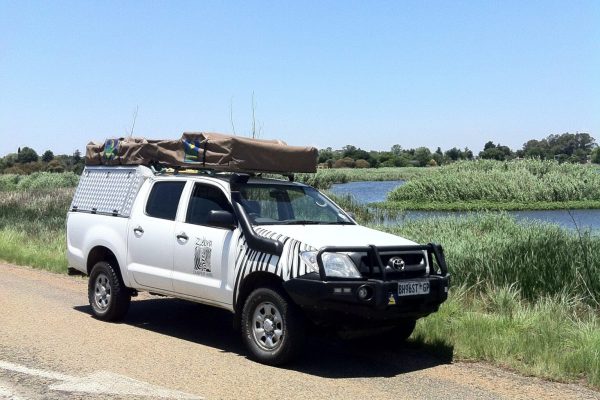
Rooftop Tent Hire Kenya gives independent travelers an affordable and flexible way to combine a…
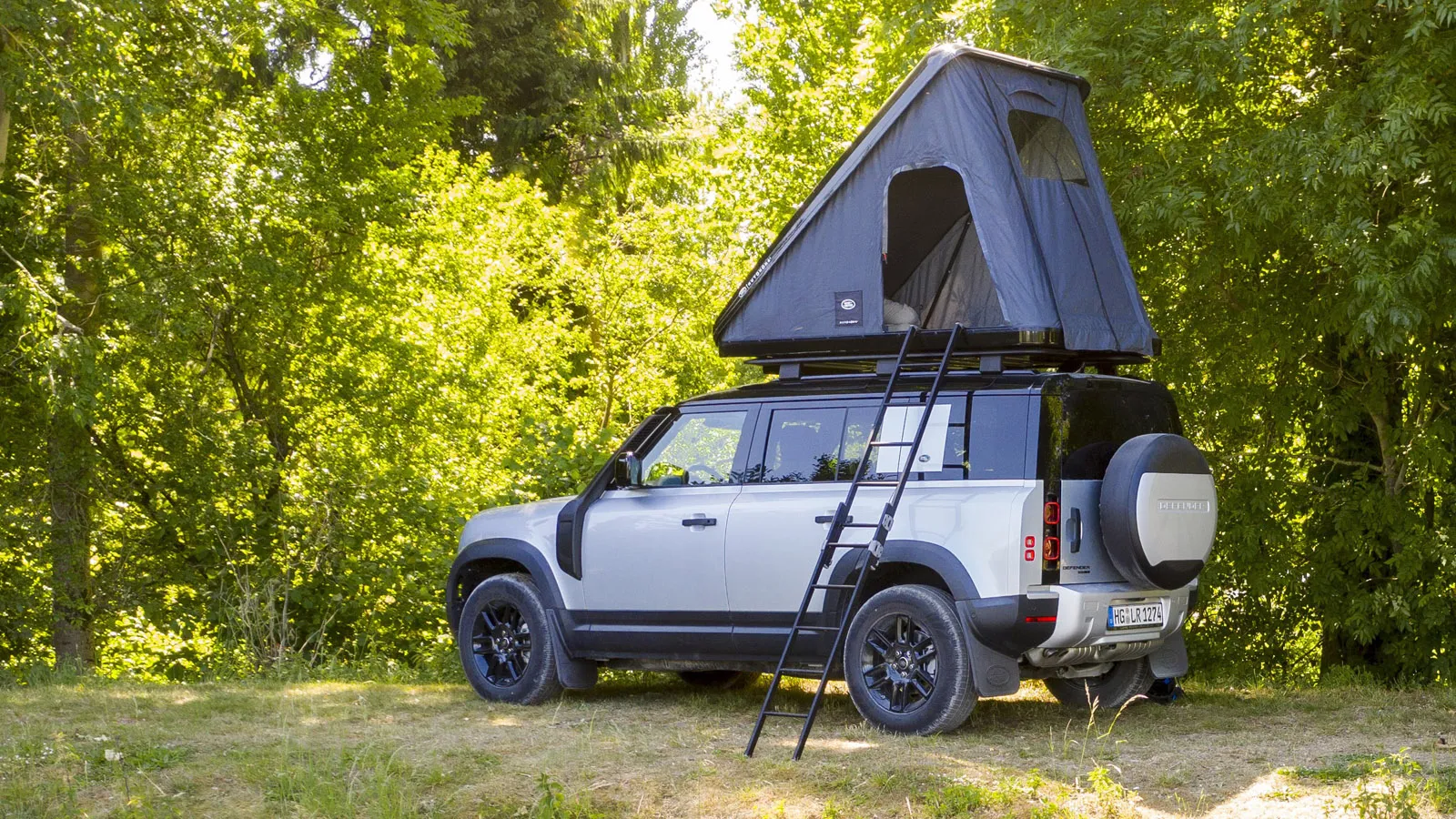
Kenya camping car hire with roof-top tent
Kenya camping car hire with roof-top tent gives adventurous travelers the freedom to turn a 4×4 safari vehicle into both transportation and a mobile camping base. Instead of following fixed lodge schedules every night, you can explore Kenya’s national parks, conservancies, Rift Valley landscapes, highlands and Indian Ocean coast with your camping equipment traveling with you.
Kenya is one of Africa’s great road-trip destinations. A single journey can connect Nairobi with Lake Naivasha, Lake Nakuru, the Maasai Mara, Amboseli National Park, Samburu, Ol Pejeta, Tsavo and the coast. For travelers who have enough time, a properly arranged rental can also form part of a longer East African expedition toward Tanzania, Uganda or Rwanda.
Choosing the right Kenya camping car hire package is about much more than finding a four-wheel-drive vehicle with a tent attached to its roof. The vehicle needs adequate ground clearance, suitable tires, enough luggage capacity, dependable mechanical condition and camping equipment that matches your group size. Travelers also need to understand campsite rules, national park conditions, fuel planning, rental insurance and the practical advantages and limitations of sleeping in a rooftop tent.
A couple spending two weeks around Kenya has very different needs from a family of four or a photography group traveling through Kenya and Tanzania. Some travelers need one rooftop tent. Others require two tents, a larger sleeping configuration or an additional ground tent. A compact 4×4 can make sense on selected routes, while long and demanding safari journeys usually justify a Toyota Land Cruiser or similarly capable vehicle.
This comprehensive guide explains how Kenya camping car hire with roof-top tent works, the vehicles available for camping safaris, what equipment you should expect, where you can travel, how to plan costs and what to consider before beginning a self-drive adventure.
Why Choose Kenya Camping Car Hire With Roof-Top Tent?
A rooftop-tent vehicle combines two major parts of your safari: transportation and accommodation.
During the day, the 4×4 takes you between national parks, campsites and towns. When the driving day ends, you unfold the rooftop tent and convert the vehicle into your camping base.
This arrangement appeals strongly to independent travelers.
You do not need to change hotels every night. Luggage remains organized inside the vehicle, and you can create an itinerary around landscapes and campsites rather than only around lodge availability.
The freedom becomes particularly valuable on longer trips.
Imagine leaving Nairobi for Lake Naivasha, continuing toward the Maasai Mara, driving south toward Amboseli and later following the road toward Tsavo. Instead of packing and unpacking at a different lodge each day, your core camping setup travels with you.
A Kenya camping car hire safari also creates a closer relationship with the outdoors. Evenings can revolve around preparing dinner at camp, listening to the sounds of the surrounding landscape and watching the African sky darken rather than returning immediately to a conventional hotel room.
Camping does require responsibility. Travelers need to stay in permitted campsites, follow wildlife-safety instructions and respect the regulations of parks, conservancies and private properties.
A rooftop tent provides an elevated sleeping platform, but it should never be treated as protection that allows travelers to ignore wildlife precautions.
What Is a Roof-Top Tent Camping Car?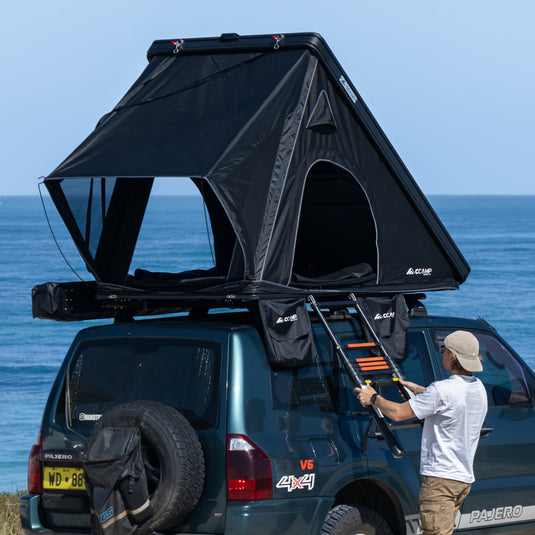
A rooftop tent is a sleeping structure mounted on a vehicle roof rack.
Most designs fold or close while driving and open when travelers arrive at camp. An integrated ladder provides access to the sleeping area.
Inside, many rooftop tents contain a mattress so travelers do not need to inflate and pack a separate bed every evening.
Different designs accommodate different numbers of people.
A standard tent normally works best for one or two travelers. Larger configurations can accommodate more occupants, while some safari vehicles carry two rooftop tents for families or small groups.
The exact setup matters.
Before booking Kenya camping car hire with roof-top tent, ask for photographs and sleeping dimensions of the actual tent type. Marketing phrases such as “double tent” or “family tent” can mean different things between suppliers.
Travelers should also think about ladder access.
A rooftop tent requires climbing up and down each evening and morning. People with reduced mobility, significant knee problems or discomfort with ladders may find a ground tent or lodge-based safari more suitable.
For travelers who enjoy camping, however, the convenience of keeping the sleeping platform connected to the vehicle can make moving camp much faster.
Kenya Camping Car Hire Versus Ordinary Car Rental
An ordinary rental car provides transportation.
A camping-equipped 4×4 provides transportation plus the infrastructure required for an outdoor safari.
That distinction influences both price and preparation.
A normal SUV may provide four-wheel drive but lack a reinforced rooftop system, sleeping equipment, water storage, cooking gear and the cargo organization required for a multi-day camping safari.
Camping cars should carry weight safely.
The rooftop tent, passengers, luggage, food, water and equipment all add to the total load.
Rental companies that specialize in camping safaris generally organize the vehicle around these requirements.
This is particularly important on rough safari roads.
Loose equipment can move dramatically on corrugated tracks. Proper storage boxes and secure packing make the journey both safer and more comfortable.
When comparing rental prices, therefore, do not compare an ordinary SUV directly with a fully equipped camping Land Cruiser without accounting for the additional equipment.
Why Kenya Is Excellent for a Rooftop-Tent Road Trip
Kenya combines wildlife, road-trip variety and a large selection of destinations.
Nairobi acts as a natural gateway.
Within a broader circuit, travelers can explore freshwater and soda lakes in the Rift Valley, world-famous savannah ecosystems, arid northern landscapes, mountain regions and the tropical Indian Ocean coast.
This diversity makes camping journeys particularly interesting.
A night near a savannah wildlife area feels completely different from camping around a Rift Valley lake or near Kenya’s highlands.
Road trips also reveal landscapes that air travel skips.
The drive itself becomes part of the experience.
Roadside scenery, escarpments, farming regions and small towns help travelers understand how Kenya’s different ecological areas connect.
A Kenya camping car hire package gives visitors the independence to experience these transitions rather than simply flying from one major reserve to another.
Best 4×4 Vehicles for Kenya Camping Car Hire
The best camping vehicle depends on passengers, luggage, route difficulty and budget.
Toyota Land Cruisers dominate many safari fleets because they combine four-wheel-drive capability, durable construction and regional familiarity.
However, several configurations exist.
A couple following a moderate route may not need the same vehicle as a family crossing remote northern Kenya.
Choose according to the itinerary rather than automatically selecting the most expensive option.
Toyota Land Cruiser Hardtop for Kenya Camping Car Hire
The Land Cruiser Hardtop is a classic expedition vehicle.
Its simple, robust design suits long journeys and demanding roads.
A rooftop-tent Hardtop can work particularly well for couples who prioritize reliability and off-road capability over luxury.
Interior comfort varies between configurations.
Travelers should ask whether the specific vehicle includes air conditioning, charging points and convenient luggage storage.
The Hardtop becomes especially attractive when the journey involves long sections of rough road.
Its reputation for durability makes it popular with safari operators and overland travelers.
For Kenya camping car hire with roof-top tent, the Hardtop often represents a practical balance between expedition capability and manageable vehicle size.
Toyota Land Cruiser Prado With Roof-Top Tent
A Land Cruiser Prado provides more road-oriented comfort while retaining strong four-wheel-drive performance.
Couples frequently choose a Prado for trips that combine paved highways with safari destinations.
The more refined cabin can make long road transfers comfortable.
Fuel consumption may also compare favorably with some heavier safari vehicles depending on the engine and configuration.
However, rooftop-tent installation reduces the ability to use the roof for other cargo.
Travelers should therefore check luggage space carefully.
Two people using soft travel bags will usually find organization easier than travelers arriving with several large hard-shell suitcases.
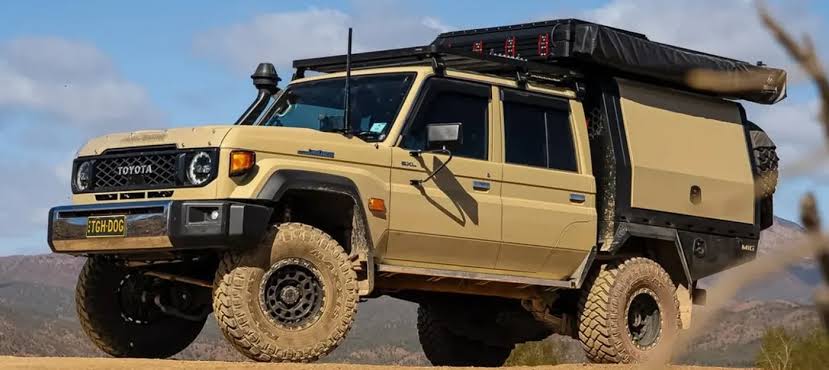
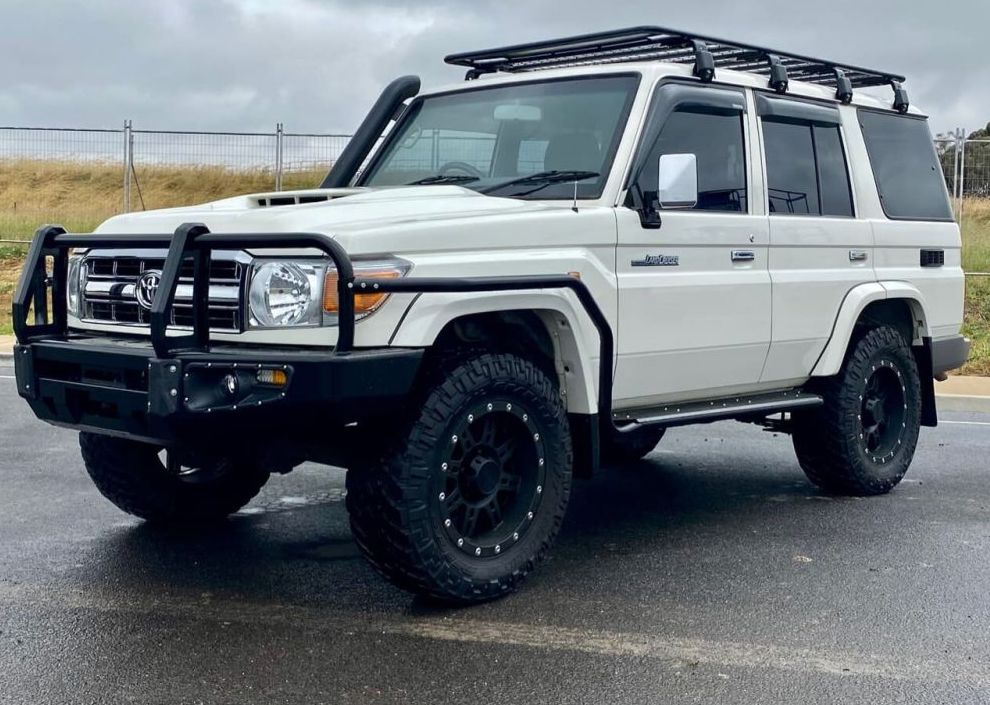
Land Cruiser 70, 76 and 78 Series Camping Vehicles
The Land Cruiser 70 Series family has become closely associated with expedition travel.
These vehicles prioritize durability and off-road strength.
A 76 or 78 Series vehicle may provide excellent cargo capacity for food, water and camping gear.
Long-distance travelers often appreciate this practical design.
Comfort may feel more utilitarian than a modern luxury SUV, but safari travelers frequently accept that trade-off because the vehicle handles demanding terrain confidently.
If your Kenya itinerary extends toward Tanzania or remote regions, a heavy-duty Land Cruiser can provide additional reassurance.
Toyota Land Cruiser V8 With Rooftop Tent
Travelers looking for additional comfort may consider a Land Cruiser V8.
The larger cabin and powerful engine can make long highway sections enjoyable.
V8 vehicles can also carry substantial camping setups when properly configured.
Fuel consumption becomes an important consideration.
A larger engine can increase the total road-trip budget, particularly when the itinerary covers several thousand kilometers.
For couples traveling mainly in central and southern Kenya, a smaller Land Cruiser may provide better value.
Families or travelers prioritizing comfort may still find the V8 worthwhile.
Toyota Hilux Camping Car Hire Kenya
A Toyota Hilux offers another strong option for camping journeys.
The pickup layout can separate camping gear from passenger space.
When fitted with secure storage, a canopy and rooftop tent, the Hilux becomes a capable expedition vehicle.
Double-cab versions provide seating for additional passengers.
Travelers should check whether the rear storage area protects equipment adequately from dust and rain.
The Hilux can be particularly practical for longer trips where food, water and equipment capacity matters.
Compact 4×4 Camping Cars
Smaller four-wheel-drive vehicles can appeal to solo travelers and budget-conscious couples.
They consume less fuel and remain easier to maneuver around Nairobi and towns.
However, adding a rooftop tent, camping supplies, water and luggage quickly uses available capacity.
Compact 4x4s should therefore match relatively light travel styles.
Do not choose a smaller vehicle solely to obtain the lowest daily rental rate if the itinerary includes very difficult roads or substantial equipment.
Kenya Camping Car Hire With Roof-Top Tent for Couples
Couples are particularly well suited to rooftop-tent travel.
One vehicle can provide enough seating, sleeping capacity and storage without becoming excessively large.
A single double rooftop tent usually provides the simplest arrangement.
Two travelers can divide responsibilities around camp. One person can prepare the tent while the other organizes cooking equipment or food.
Packing remains important.
Soft-sided bags fit vehicle compartments more effectively than large suitcases.
Couples also have more freedom to choose smaller Land Cruiser configurations, potentially reducing both rental and fuel costs.
A Kenya camping car hire with roof-top tent itinerary for two people can combine several nights of camping with occasional lodge stays.
This mixed approach provides the outdoor character of a camping safari without requiring travelers to camp every night.
A comfortable hotel or lodge every few days can be useful for laundry, charging electronics, reorganizing supplies and enjoying a longer shower.
Kenya Camping Car Hire for Families
Families need more careful vehicle planning.
A rooftop tent for two adults may not accommodate children comfortably.
Possible solutions include a larger family tent, two rooftop tents, an additional ground tent or two vehicles.
The correct arrangement depends on the children’s ages and the family’s camping experience.
Luggage requirements also increase.
Families may carry more clothing, food, water and personal items.
A larger Land Cruiser or similarly spacious vehicle usually makes the journey easier.
Do not evaluate only the number of seats.
Five seat belts do not guarantee enough storage space for five people’s luggage and camping equipment.
Family itineraries should also reduce long driving days.
Children may enjoy camp evenings immensely while struggling with repeated eight-hour transfers.
Spending two or three nights in key destinations can make the road trip more enjoyable for everyone.
Kenya Camping Car Hire for Friends and Small Groups
Groups can share the cost of rental and fuel.
However, rooftop-tent capacity creates practical limits.
Four friends may choose a vehicle carrying two tents or travel in two separate 4x4s.
The second option costs more but provides additional luggage room and driving flexibility.
Groups interested in photography may particularly benefit from two vehicles.
Four photographers with long lenses can quickly overcrowd a single safari car.
Discuss passenger and equipment requirements honestly before booking.
A rental company can recommend the most sensible configuration when it understands the full group setup.
Self-Drive Kenya Camping Car Hire With Roof-Top Tent
Self-drive camping gives travelers maximum independence.
You decide when to leave camp each morning.
You choose where to stop for groceries and fuel.
Within the rules of parks and campsites, you control your travel schedule.
This independence appeals to experienced road travelers.
Driving also makes the safari feel more personal because you actively navigate the country rather than simply moving as a passenger.
However, self-drive travelers take responsibility for the vehicle.
You need to monitor fuel, tire condition and warning lights.
Navigation requires preparation.
Long road days require concentration.
Inside national parks, drivers must respect speed limits and remain on permitted roads.
A successful self-drive safari therefore depends on preparation as much as freedom.
Kenya Camping Car Hire With a Driver-Guide
Camping does not require self-driving.
Travelers can also hire a camping vehicle with an experienced driver-guide.
This option suits visitors who want the outdoor experience without managing Kenyan roads themselves.
The driver can handle navigation, road conditions and vehicle-related issues.
Inside wildlife areas, professional safari knowledge provides another advantage.
A guide may recognize animal behavior, understand productive habitats and know which routes work best under current conditions.
Travelers can still participate in camp life.
Hiring a driver simply transfers the driving responsibility to a professional.
For first-time visitors to Africa or travelers planning demanding cross-border journeys, this setup can provide excellent value.
Self-Drive or Driver-Guide: Which Is Better?
The answer depends on your experience and priorities.
Self-drive offers greater privacy and usually costs less because you remove the daily driver-guide expense.
Experienced overland travelers often enjoy this freedom.
Driver-guided travel offers local knowledge and reduced stress.
Wildlife-focused travelers may gain more from professional guiding than travelers mainly interested in landscapes and road-trip freedom.
Families can benefit from having all adults available to focus on children rather than navigation.
Photographers can concentrate on equipment instead of road conditions.
Neither option is automatically superior.
Choose according to the kind of trip you want.
How a Roof-Top Tent Works During a Kenya Safari
The setup process should become simple after a few attempts.
Most folding rooftop tents remain compact while the vehicle is moving.
At camp, travelers release the cover or fasteners and open the tent according to its design.
The ladder usually acts both as access and as part of the support structure.
Bedding may remain inside some models while folded, but this depends on tent design.
Ask during vehicle handover.
Do not leave the rental location until you can confidently open and close the tent yourself.
The best time to learn is in daylight with a rental representative standing nearby.
Trying to understand unfamiliar hinges, straps or poles after dark at your first campsite creates unnecessary frustration.
Roof-Top Tent Versus Ground Tent in Kenya
Both designs have advantages.
A rooftop tent offers quick setup, an elevated sleeping platform and freedom from uneven or wet ground directly beneath the sleeping area.
A ground tent provides greater flexibility after camp setup.
Once a ground tent stands, travelers can drive away without dismantling their sleeping space.
With a rooftop tent, you normally need to pack it before moving the vehicle.
Ground tents may also provide easier access for travelers who dislike ladders.
Families sometimes use both.
Adults can sleep in the rooftop tent while older children use a ground tent, depending on campsite rules and safety considerations.
The right choice depends on travel style rather than the assumption that rooftop tents are always better.
What Should Kenya Camping Car Hire Include?
A complete rental needs more than a tent.
Ask exactly what equipment comes with the quoted package.
Different companies package camping gear differently.
A useful camping setup may include bedding, chairs, a table, cooking equipment, cutlery, lighting, water storage and food-cooling equipment.
A fridge can be particularly valuable on longer trips.
Travelers planning remote routes should consider additional water capacity.
Charging also matters.
Phones, cameras and navigation equipment all need power.
Do not assume that every vehicle includes USB or inverter options simply because it has been advertised as a camping car.
Confirm equipment in writing before paying.
Cooking Equipment for a Kenya Camping Safari
Preparing your own meals can reduce travel costs and add to the camping experience.
A practical kitchen kit should allow travelers to prepare simple meals rather than carrying a restaurant’s worth of equipment.
A stove or gas burner provides the basic heat source.
Pots, a frying pan, plates, cups, cutlery and cooking utensils cover most needs.
A cutting board and simple knife can make food preparation easier.
Storage matters just as much as cooking.
Dry foods should remain protected from dust and animals.
Campsite food rules must always be followed.
Never leave food openly accessible when wildlife may enter a camping area.
Fridge or Cooler for Roof-Top Tent Car Hire
A refrigerator can make long road trips considerably easier.
Milk, meat, vegetables and cold drinks remain usable for longer periods.
However, electric fridges add cost and consume vehicle power.
Travelers should understand whether the system uses a dual-battery setup or another power arrangement.
A simple cooler may be enough for shorter trips near towns.
Remote itineraries benefit more from refrigeration.
Ask whether the fridge remains powered when the engine is off and whether travelers need to manage battery usage.
These practical details matter far more at a remote campsite than they do during the initial online booking.
Water Storage for Kenya Camping Car Hire
Water planning should form part of every camping itinerary.
Travelers need drinking water as well as water for cooking and basic washing.
The amount required varies according to climate, route and access to campsites with reliable supplies.
Do not assume that every campsite provides potable water.
Refill before entering remote areas.
Water containers should remain secure while driving.
Heavy jerry cans moving around the luggage compartment on rough roads can damage other equipment.
Long northern routes require more conservative water planning than trips that remain near major towns.
Luggage for a Kenya Roof-Top Tent Safari
Pack lighter than you think you need.
Camping equipment already uses substantial cargo space.
Soft bags are generally easier to organize than rigid suitcases.
Keep a small day bag accessible for cameras, documents and water.
Place seldom-used clothing deeper in storage.
Important documents should remain easy to reach.
If the trip involves international borders, keep passports and vehicle paperwork separate from the main luggage.
Efficient packing makes the vehicle feel significantly larger.
Poor packing can make even a spacious Land Cruiser feel cramped.
Kenya Camping Car Hire From Nairobi
Nairobi is the main starting point for most camping road trips.
The city provides supermarkets, outdoor supplies, fuel stations and international flight connections.
Travelers can arrange airport or hotel vehicle handover depending on the rental company.
Consider spending the first night in Nairobi if the international flight arrives late or follows a long journey.
Starting a self-drive camping expedition while tired is unnecessary.
The first morning can instead be used to inspect the vehicle, buy groceries and organize luggage.
From Nairobi, several major routes open in different directions.
The Rift Valley lies west.
Amboseli sits to the south.
Samburu and Mount Kenya lie north.
Tsavo and the coast extend southeast.
Nairobi to Lake Naivasha Camping Road Trip
Lake Naivasha makes an excellent early stop.
The driving distance from Nairobi is manageable, allowing travelers to become familiar with the vehicle before beginning longer safari stages.
The Rift Valley scenery also introduces Kenya’s dramatic geography.
Camping around the Naivasha region can be combined with activities in the surrounding area.
Travelers can then continue toward Nakuru or head farther west depending on the itinerary.
Using Naivasha as an early stop helps avoid beginning the holiday with an excessively long driving day.
This is particularly sensible for first-time Kenya self-drivers.
Lake Nakuru and Rift Valley Camping
The Rift Valley can form a major part of a Kenya road trip.
Lake Nakuru National Park adds wildlife and birdlife to the route.
A camping itinerary can connect Naivasha, Nakuru and other regional destinations.
Road travelers should still check campsite arrangements in advance.
Not every attractive location permits camping.
Official, private or community campsites each operate under their own conditions.
Confirm access rather than arriving late and assuming space will be available.
Kenya Camping Car Hire With Roof-Top Tent for Maasai Mara
The Maasai Mara sits near the top of many Kenya safari wish lists.
A Kenya camping car hire with roof-top tent journey gives travelers an adventurous way to experience the broader Mara region.
Road conditions vary considerably by route, season and rainfall.
Black-cotton soil can become challenging when wet.
Dry periods bring dust and rough surfaces.
This makes vehicle condition particularly important.
Good tires can matter as much as engine power.
Travelers should ask for current route advice rather than relying entirely on digital maps.
Camping arrangements also require attention.
Use permitted campsites and follow every wildlife instruction provided by camp staff or authorities.
Roof-Top Tent Camping and Wildlife Safety in Maasai Mara
Camping near wildlife creates extraordinary experiences, but travelers need disciplined behavior.
Never approach animals on foot because they appear calm.
Do not leave food or waste outside overnight.
Follow instructions about where cooking takes place.
Use designated toilet and washing areas.
At unfenced campsites, ask staff about movement after dark.
A rooftop tent lifts the sleeping platform above ground level, but it does not make the campsite risk-free.
Wild animals remain wild animals.
Safe camping depends on following the rules of the specific location.
Kenya Camping Car Hire for Amboseli National Park
Amboseli makes an excellent southern Kenya destination.
Elephants, open landscapes and views toward Mount Kilimanjaro create a highly recognizable safari environment.
A road trip can connect Nairobi with Amboseli before continuing toward Tsavo or, with suitable cross-border arrangements, northern Tanzania.
Camping vehicles work well on these longer routes because travelers retain control of accommodation equipment.
Dust can become significant during dry conditions.
Protect cameras and electronics inside sealed bags when not using them.
Allow enough time to enjoy the park rather than treating Amboseli simply as a stop between Nairobi and another destination.
Kenya Camping Car Hire for Tsavo East and Tsavo West
Tsavo creates one of Kenya’s great overland routes.
Its location allows travelers to connect inland safari regions with the Indian Ocean coast.
A road journey can include Amboseli, Tsavo West, Tsavo East and then Mombasa, Diani or another coastal destination.
Long distances make vehicle comfort important.
Fuel planning also deserves attention.
Refill before entering long park sections rather than relying on the hope of finding convenient fuel later.
Camping in the Tsavo region can feel wonderfully remote, but that remoteness makes preparation more valuable.
Samburu Roof-Top Tent Camping Safari
Samburu takes travelers into the drier landscapes of northern Kenya.
The change from the central highlands creates one of the pleasures of traveling by road.
A capable 4WD becomes increasingly useful.
Longer distances also mean travelers should monitor fuel carefully.
Carry sufficient water and avoid reaching remote regions with an almost-empty tank.
The rental provider should know that the itinerary includes northern Kenya.
Vehicle recommendations can differ between a straightforward Naivasha trip and a more demanding expedition toward Samburu or farther north.
Camping Around Mount Kenya and Laikipia
The Mount Kenya and Laikipia regions provide another dimension to a camping road trip.
Highland scenery contrasts with lower, hotter safari regions.
Night temperatures can feel noticeably cooler.
Sleeping equipment therefore needs to suit the climate rather than only warm savannah conditions.
Laikipia contains a variety of conservancies and private properties.
Camping access varies widely.
Travelers should research the exact locations they intend to visit rather than assuming every conservancy accepts independent campers.
This is where itinerary planning becomes as important as vehicle selection.
Ol Pejeta and Central Kenya Road Trips
Central Kenya can fit naturally between Nairobi, Mount Kenya, Laikipia and northern destinations.
Travelers interested in wildlife can include Ol Pejeta within a broader circuit.
Again, camping arrangements need advance confirmation.
Private conservancies may operate differently from government-managed national parks.
Knowing the overnight plan before sunset makes road travel more relaxed.
The flexibility of Kenya camping car hire does not mean every piece of land is a legal campsite.
Responsible travelers camp only where permission exists.
Kenya Camping Car Hire for the Coast
Kenya’s coast adds a completely different ending to a safari.
After days of savannah and mountain landscapes, travelers can continue toward the Indian Ocean.
Diani, Watamu, Malindi and other coastal destinations provide opportunities to slow down.
Camping in hot, humid coastal conditions feels different from camping in Kenya’s highlands.
Ventilation becomes important.
Shade also matters.
Travelers may decide to use hotels or beach accommodation at the coast even if they camped throughout the safari.
A mixed accommodation strategy can improve comfort without removing the adventure from the road trip.
Nairobi, Amboseli, Tsavo and Coast Camping Route
One efficient route begins in Nairobi and travels south to Amboseli.
After several nights, continue toward Tsavo West.
The journey can then move through Tsavo East before finishing at the coast.
This sequence follows the geography naturally.
It avoids returning to Nairobi between safari regions.
A one-way rental arrangement could potentially make the route even more efficient if available.
Otherwise, travelers need to plan the return journey.
Always compare a relocation charge against the cost of extra fuel, rental days and accommodation required to return the vehicle.
Nairobi, Naivasha, Nakuru and Maasai Mara Camping Route
A classic western route begins in Nairobi and descends toward the Rift Valley.
Lake Naivasha provides an easy first stop.
Nakuru can follow.
The journey then continues toward the Maasai Mara.
After the Mara, travelers can return to Nairobi or extend the trip depending on available time.
This circuit offers a strong mix of landscapes and wildlife without requiring travel to every corner of Kenya.
For first-time self-drive travelers, a focused route often provides a better experience than attempting to include both northern Kenya and the coast within the same short holiday.
Northern Kenya Camping Road Trip
Travelers with more time can build a journey around Mount Kenya, Laikipia and Samburu.
More adventurous expeditions may continue farther north where conditions become increasingly remote.
At that point, vehicle preparation becomes more serious.
Extra fuel capacity, water, recovery equipment and communications may become important depending on the exact route.
Do not treat a remote northern expedition like an ordinary national park holiday.
Discuss the planned roads with an experienced local operator and adapt equipment accordingly.
Long Kenya Camping Road Trip
Travelers with three weeks can create a more ambitious loop.
Nairobi can lead toward the Rift Valley and Maasai Mara.
The route may then return through central Kenya before moving toward Amboseli, Tsavo and the coast.
Another version prioritizes northern destinations instead of the coast.
Trying to include every famous park creates too much driving.
A longer road trip works best when travelers identify their main interests.
Wildlife photographers may want more nights in fewer parks.
Overland enthusiasts may enjoy longer driving sections and changing landscapes.
Families generally benefit from slower travel.
Cross-Border Kenya Camping Car Hire With Roof-Top Tent
Some rental arrangements allow travelers to take camping vehicles beyond Kenya.
Tanzania creates the most obvious extension because the two countries share major safari regions.
Longer journeys can potentially continue toward Uganda and Rwanda.
Cross-border travel must be approved before departure.
A domestic rental agreement should never be assumed to permit international travel automatically.
Vehicle documentation, insurance and authorization need to match the route.
Border requirements can also change.
Travelers should verify current immigration rules for their own passports separately from vehicle paperwork.
Kenya and Tanzania Roof-Top Tent Road Trip
Kenya and Tanzania provide one of Africa’s strongest two-country safari combinations.
A journey can begin in Nairobi, explore Amboseli and then continue toward Tanzania depending on the approved border route.
Northern Tanzania offers Tarangire, Ngorongoro, Lake Manyara and Serengeti.
Another route may integrate the Maasai Mara and Serengeti ecosystems.
However, travelers should not assume that the geographically closest border always provides the easiest rental-vehicle solution.
Discuss the itinerary with the rental provider first.
Vehicle permissions should influence the final route before accommodation and campsites are booked.
Kenya, Uganda and Rwanda Camping Road Trip
Travelers with several weeks can explore farther west.
Uganda offers savannah parks, lakes, chimpanzees and mountain gorilla destinations.
Rwanda adds Volcanoes National Park, Lake Kivu, Nyungwe and Akagera.
Such a journey requires serious itinerary planning.
Distances become substantial.
Different countries also have different road, border and camping environments.
Long-term rental rates, insurance and vehicle servicing arrangements all need clarification.
For travelers with adequate time, the reward is an extraordinary East African overland journey.
One-Way Kenya Camping Car Hire
One-way rental can save valuable travel days.
A traveler might want to collect a vehicle in Nairobi and finish near the coast.
Returning the car to Nairobi uses additional fuel and time.
If the rental company provides relocation service, the one-way charge may offer better value.
The same logic applies to some international routes.
Never look at the relocation fee in isolation.
Calculate what returning the vehicle yourself would cost in fuel, accommodation, meals and rental days.
Sometimes the apparently expensive option becomes the cheaper one.
Kenya Camping Car Hire With Roof-Top Tent Prices
There is no universal rate for Kenya camping car hire with roof-top tent.
Vehicle type affects pricing significantly.
A compact 4×4 with a basic tent sits in a different category from a Land Cruiser V8 with two rooftop tents and a complete camping package.
Rental duration matters as well.
Long-term bookings may receive different daily pricing from short rentals.
Seasonal demand can affect availability.
Camping equipment may come included or may carry an additional daily charge.
Fridges, extra ground tents, child seats, additional drivers and one-way arrangements can also change the total.
Always request a quotation based on your actual itinerary.
What Makes Kenya Camping Car Hire Affordable?
The lowest daily price does not necessarily create the lowest total cost.
Fuel economy matters.
Mileage limits matter.
Insurance conditions matter.
Included camping equipment matters.
A vehicle that costs slightly more but includes a fridge, chairs, table, cooking kit and unlimited mileage could provide better value than a cheaper base rental.
Mechanical reliability also matters.
A day lost to a poorly maintained vehicle can become extremely expensive when travelers have prepaid park reservations or campsites.
Compare complete packages rather than headline prices.
Long-Term Kenya Camping Car Hire
Travelers spending several weeks in Kenya should ask specifically about long-term rental rates.
Do not simply multiply the published daily price by thirty.
Long bookings can create different pricing possibilities.
Longer rental periods also allow more relaxed itineraries.
Instead of changing destination every morning, travelers can spend several nights in selected parks.
This reduces driving fatigue and allows more meaningful exploration.
Vehicle preparation becomes even more important.
Ask when the vehicle was serviced and how support works during a multi-week journey.
Mileage Policies for Kenya Self-Drive Rental
Mileage terms can affect the final cost substantially.
Some packages include generous or unlimited mileage.
Others impose daily or total limits.
Camping road trips accumulate distance quickly.
Game drives add kilometers beyond the simple town-to-town route.
Shopping trips, campsite detours and sightseeing create additional mileage.
Estimate realistically.
A package that appears cheaper may become more expensive after excess-mileage charges.
Written rental terms should clearly explain the allowance.
Fuel Planning for Kenya Camping Road Trips
Fuel stations are easy to find around major towns and highways, but remote routes require greater attention.
Refill before entering areas where supply becomes uncertain.
Do not wait until the warning light appears.
Large Land Cruisers consume more fuel than compact vehicles.
Roof racks, rooftop tents and extra weight can also affect fuel economy.
Budget accordingly.
The correct vehicle may use more fuel while still providing better overall value because it handles the route safely and carries equipment comfortably.
Insurance for Kenya Camping Car Hire
Read the insurance section of the rental agreement.
Do not rely on the words “fully insured” without understanding their meaning.
Ask about the excess.
Find out whether tires, windscreens, underbody damage or rooftop-tent damage follow separate conditions.
Camping equipment may also carry its own damage or loss rules.
International travel needs particular attention.
Insurance valid inside Kenya should not automatically be assumed to cover other countries.
Get clear written confirmation for cross-border itineraries.
Roadside Assistance for Kenya Camping Vehicles
Safari driving places vehicles under demanding conditions.
Punctures can occur.
Mechanical problems remain possible even with well-maintained cars.
Ask how roadside assistance works before departure.
Save emergency numbers offline.
Understand the procedure if the vehicle cannot continue.
Travelers heading far from Nairobi should ask how the company supports remote locations.
Cross-border journeys need an even clearer explanation.
Strong support may justify paying slightly more for the rental.
Tire Condition Matters More Than Many Travelers Realize
Safari tires handle gravel, rocks, potholes and corrugation.
Inspect them before accepting the vehicle.
Look for reasonable tread depth and obvious damage.
Check the spare wheel too.
A beautiful Land Cruiser with poor tires is not a good safari vehicle.
Ask how to operate the jack safely.
Travelers should know where the wheel-changing tools are stored.
If the vehicle carries two spare wheels, understand how to access both.
A five-minute discussion at handover can prevent significant confusion later.
Vehicle Inspection Before Leaving Nairobi
Walk around the vehicle slowly.
Photograph existing scratches and dents.
Check lights and indicators.
Operate the windscreen wipers.
Confirm that seat belts work.
Look for dashboard warning lights.
Test charging ports.
Ask about four-wheel-drive controls.
Open the rooftop tent.
Inspect the mattress.
Check the ladder.
Review the camping inventory.
Start the fridge if one is included.
Make sure the water containers close securely.
A thorough handover gives travelers confidence and reduces disputes when the vehicle returns.
Road Conditions for Kenya Camping Car Hire
Kenya contains everything from excellent highways to difficult safari tracks.
Road quality changes between regions.
Weather can alter conditions rapidly.
Rain creates mud and waterlogging.
Dry periods produce dust and corrugation.
Four-wheel drive increases capability but does not make poor driving safe.
Reduce speed on rough roads.
Avoid aggressive cornering.
Listen to local advice.
A navigation application cannot always know whether a rural road has become difficult after recent weather.
Driving During Kenya’s Rainy Periods
Rain transforms the landscape.
Green vegetation creates beautiful photography, and some destinations feel less crowded.
However, road conditions may become challenging.
Black-cotton soils can become extremely slippery.
Drivers should avoid taking unnecessary risks simply because the vehicle has four-wheel drive.
Good tires and sensible judgment matter.
Ask park staff or campsite managers about recent conditions.
When roads become unsafe, changing the route is better than forcing the vehicle forward.
Dry-Season Kenya Camping Road Trips
Dry weather generally makes many roads easier to drive.
Dust becomes the major challenge.
Keep camera equipment protected.
Close food containers tightly.
Interior dust can become frustrating on long trips.
Corrugation also affects vehicle comfort and suspension.
Driving faster rarely solves the problem.
Slow down and allow the vehicle to move over rough sections at a controlled pace.
Dry season is also popular for safari travel, so vehicles and campsites can become more competitive.
Early booking helps.
Driving at Night in Kenya
Avoid unnecessary night driving.
Visibility decreases significantly.
Potholes, pedestrians, bicycles, motorcycles and animals become more difficult to identify.
Arriving at an unfamiliar campsite after dark also complicates setup.
Plan transfers so that camp setup happens with daylight remaining.
If the day’s drive takes longer than expected, reduce speed rather than trying to recover time.
A delayed arrival is preferable to unnecessary risk.
Navigation on a Kenya Self-Drive Safari
Digital navigation works well as a tool, but it should not make every decision.
Download offline maps before leaving Nairobi.
Ask campsites and lodges for route advice.
A mapping application may suggest a short road that local drivers avoid.
In national parks, use official tracks and current park information.
Keep phones charged.
Carry a vehicle charger and, when practical, a backup power bank.
Save destination coordinates or clear directions before losing mobile coverage.
Mobile Connectivity and Communications
Kenya has good mobile coverage across many populated areas.
Remote parks and northern regions can still have weak or inconsistent service.
Travelers should not depend entirely on an internet connection.
Save rental documents offline.
Keep campsite details available without data.
Download maps.
Store emergency numbers directly on the phone.
For truly remote expeditions, discuss communications requirements with the rental company.
The needs of a mainstream Mara trip differ significantly from those of an expedition toward remote northern areas.
Shopping for a Kenya Camping Safari
Major towns provide good opportunities to buy food and supplies.
Nairobi offers the largest selection.
Start with simple meals.
Camping is easier when cooking does not require a complicated kitchen.
Dry foods, fruit, vegetables and easily prepared meals work well.
Perishable food requires adequate refrigeration.
Restock before remote stages.
Avoid carrying unnecessary quantities of food when shops are readily available along the route.
At the same time, do not assume supermarkets exist immediately outside every national park gate.
Wildlife and Food at Campsites
Food can attract wildlife.
Always follow campsite rules.
Store food securely.
Dispose of rubbish responsibly.
Never feed wild animals.
Do not leave cooking equipment covered in food residue overnight.
Animals that learn to associate campsites with food can become dangerous to both themselves and visitors.
Responsible camping therefore protects wildlife as well as travelers.
Campfires in Kenya
Do not assume a campfire is automatically permitted.
Rules vary by campsite and season.
Use designated fire areas where provided.
During dry periods, fire risk can become significant.
Never leave a flame unattended.
Extinguish fires thoroughly.
Gas cooking equipment is often easier and cleaner for routine meals.
Travelers should follow local instructions rather than trying to recreate an idealized bush-camp scene everywhere they stop.
Camping Inside National Parks
National parks can provide memorable camping opportunities.
Rules differ between protected areas.
Some campsites offer facilities and staff.
Others may feel much more basic.
Bookings and fees can also differ.
Research each park individually.
A campground that operates one way in one reserve should not be used as the model for every destination.
Travelers need to distinguish between public campsites, special campsites, private conservancy camps and commercial campgrounds.
The level of facilities, isolation and supervision can vary substantially.
Public Campsites Versus Private Campsites
Public campsites can provide lower-cost accommodation and a social atmosphere.
Facilities vary.
Private sites may offer greater exclusivity or additional services.
Some campsites operate within lodges or conservancies and provide showers, toilets, restaurants or other facilities.
The right choice depends on budget and camping experience.
First-time campers may appreciate sites with more infrastructure.
Experienced overlanders sometimes prefer simpler camps.
Mixing different campsite types can create a balanced journey.
Wild Camping in Kenya
Do not assume that empty land means free camping.
Ownership, community rights, conservation rules and wildlife considerations all matter.
Use authorized camping areas or obtain clear permission.
This is particularly important around protected landscapes.
Responsible overlanding respects both local communities and conservation regulations.
A roof-top tent provides mobility, not permission to sleep anywhere.
Kenya Camping Car Hire for Photographers
Photographers should plan vehicle space carefully.
Large lenses, camera bodies, tripods and charging equipment occupy significant room.
Camping gear already uses much of the storage capacity.
A larger vehicle can therefore provide better value even for only two photographers.
Electrical charging deserves special attention.
Ask about USB outlets, 12V sockets, inverters or dual-battery systems.
A fridge and photography equipment can place competing demands on electricity.
Plan power before leaving Nairobi.
Charging Cameras and Electronics While Camping
Most travelers carry phones, cameras and other devices.
Understand the vehicle’s electrical system.
Some charging points work only when the ignition is on.
Others connect to an auxiliary battery.
Do not drain the starting battery overnight.
Ask the rental company to explain the system.
Carry compatible adapters and cables.
A power bank adds useful backup.
For photography-intensive journeys, consider how many batteries need to charge simultaneously.
Kenya Camping Car Hire for Birdwatchers
Kenya’s range of ecosystems makes it highly attractive for birding.
A camping vehicle allows birdwatchers to spend nights close to productive habitats and begin early.
Rift Valley lakes, savannahs, forests and northern drylands all provide different species.
A private vehicle also allows more patience.
Instead of following a group schedule, birders can spend time where activity remains strong.
Binoculars and scopes add to luggage, so vehicle organization still matters.
Kenya Camping Car Hire for Honeymoons and Couples’ Adventures
Not every honeymoon needs luxury lodges every night.
Adventure-oriented couples may prefer a mix of rooftop-tent camping and selected high-quality accommodation.
Camping creates privacy and shared experiences.
A luxury lodge every few nights adds comfort.
This combination can also allocate the budget more strategically.
Instead of paying premium accommodation prices throughout the safari, couples can spend more on a few special nights while keeping other stages adventurous.
Kenya Camping Car Hire for Budget Safaris
Camping can reduce accommodation costs, but travelers should calculate honestly.
The rental vehicle costs more when rooftop tents and equipment are included.
Campsites charge fees.
National park entry remains separate.
Food, fuel and equipment all add expense.
Camping therefore does not mean a free safari.
Its value comes from combining accommodation flexibility with vehicle independence.
Budget-conscious travelers should compare the complete cost against lodge-based self-drive options.
Luxury Camping Road Trips
Rooftop-tent travel can also appeal to travelers with larger budgets.
The attraction may be freedom rather than savings.
A premium Land Cruiser with quality camping equipment can be combined with occasional luxury lodges.
Travelers gain both independence and comfort.
This approach works well for couples who enjoy outdoor experiences but do not want to camp every night.
Kenya Camping Car Hire for Long-Term Travel
Long-term rental creates opportunities for deeper exploration.
Three or four weeks allows travelers to reduce driving intensity.
Instead of spending one night everywhere, they can remain in a favorite area.
Long stays may also qualify for more competitive daily rental rates.
Ask directly about long-term pricing.
Vehicle maintenance becomes even more important.
A company should prepare the car for extended mileage before departure.
Seasonal Planning for Kenya Camping Car Hire
Kenya changes throughout the year.
Dry months create dusty landscapes and often strong wildlife viewing.
Rainy periods bring greener scenery and different driving conditions.
The best season depends on the route and priorities.
Travelers focused on specific wildlife events may have less flexibility.
Others can choose dates around price, campsite availability and personal comfort.
A well-prepared 4WD allows travel during a broad range of conditions, but itinerary planning should always respect current weather.
Roof-Top Tent Ventilation and Temperature
A rooftop tent can become warm in direct sun.
At high elevations, nights can become surprisingly cool.
Ventilation panels improve comfort in hotter locations.
Bedding should suit the expected temperatures.
Do not pack only for stereotypical African heat.
Nairobi, the central highlands and mountain regions can feel cool, particularly at night.
The coast creates the opposite challenge with heat and humidity.
A varied itinerary requires adaptable sleeping gear.
Mosquitoes and Insects While Camping
Good rooftop tents normally include mesh screening.
Keep doors and mesh panels properly closed.
Travelers should still prepare according to the health guidance relevant to their itinerary.
Insects vary by region and season.
Food and light can also attract them.
Keeping camp clean makes evenings more comfortable.
Showers and Toilets on a Camping Safari
Facilities vary dramatically.
Some campsites provide hot showers and flush toilets.
Others offer much simpler arrangements.
Research expectations in advance.
Travelers who want regular full facilities can design the route around developed campsites and occasional lodge nights.
More independent campers may be comfortable with basic facilities.
Whatever the site, follow hygiene and waste rules carefully.
Roof-Top Tent Security
Close the vehicle and secure valuables whenever leaving camp.
Do not assume a remote campsite eliminates theft risk.
Passports, cash and important electronics deserve special care.
Ask the rental company whether the vehicle has lockable storage.
Never leave valuables visibly displayed in Nairobi or other urban areas.
Ordinary travel-security habits remain relevant even during an adventure safari.
What Happens When You Need the Vehicle After Setting Up Camp?
This is one important limitation of a rooftop tent.
Because the tent attaches to the vehicle, you normally need to fold it before driving elsewhere.
Travelers who want to leave camp established while doing an evening activity may prefer a ground tent.
Another option is choosing a campsite where everything you need remains within walking distance, provided walking is permitted and safe.
Understanding this trade-off before booking prevents disappointment.
Ground Tent as a Backup
An additional ground tent can provide useful flexibility.
It can accommodate children or friends.
Travelers can also use it when they want to keep a camp established.
Ask whether the rental package offers one.
Storage space should still be considered.
Every additional tent, mattress and sleeping bag occupies vehicle capacity.
Kenya Camping Car Hire and Park Entry Costs
Car rental usually does not include national park entry unless you book a complete safari package that explicitly says so.
Travelers should budget for park fees separately.
Vehicle entry charges may also apply.
Rules and prices can change.
Check current official information before travel rather than relying on an old blog post.
The same principle applies to campsite fees.
A good budget includes vehicle hire, fuel, park access, camping, food and optional activities.
Understanding Rental Deposits
Rental companies may request an advance payment to secure a vehicle.
A security deposit may also apply.
Read the conditions.
Understand when deposits become refundable and which types of damage can reduce the refund.
Roof tents and camping equipment may carry separate liability.
Take photographs of equipment at handover.
Clear documentation protects everyone.
Cancellation Terms for Kenya Camping Car Hire
Camping vehicles can be specialized assets, particularly during popular safari periods.
Cancellation conditions may therefore become stricter as the travel date approaches.
Read the policy before paying.
If international flights remain uncertain, consider appropriate travel insurance.
Do not assume the vehicle deposit follows the same cancellation rules as hotels or safari permits.
Kenya Camping Car Hire and International Driving Requirements
Travelers need a valid driving document accepted for the planned rental.
Requirements can depend on the license issued by the traveler’s home country.
Ask the rental company before arrival which documents it needs.
Do not wait until vehicle collection to discover that additional documentation is required.
Cross-border travel may create further requirements.
Verify everything before paying for an international itinerary.
Left-Side Driving in Kenya
Kenya drives on the left side of the road.
Visitors from countries that drive on the right need time to adjust.
The greatest concentration is often required at junctions, roundabouts and after stops.
Starting with a relatively short first day’s drive can help.
Avoid collecting the vehicle after a tiring overnight flight and immediately attempting a long journey.
A calm introduction improves confidence.
Manual Versus Automatic 4×4 Hire
Automatic vehicles reduce the driver’s workload and may suit travelers unfamiliar with manual transmissions.
Manual Land Cruisers can offer a traditional expedition setup and are comfortable for drivers already experienced with them.
Do not use a safari as the place to learn an unfamiliar transmission under difficult conditions.
Book the type you drive confidently.
Automatic vehicles may also be in greater demand, so early reservation helps.
Diesel Versus Petrol Camping Vehicles
Fuel type affects consumption and driving characteristics.
Diesel Land Cruisers remain common for long-distance travel.
Petrol engines can provide smooth power but may consume more depending on vehicle type.
Availability of the correct fuel matters on remote routes.
The rental provider can advise what works best for the planned journey.
Travelers should focus on the exact vehicle’s operating costs rather than assuming one fuel type is always cheaper.
Kenya Camping Car Hire With Roof-Top Tent for First-Time Campers
First-time campers can still enjoy a rooftop-tent safari.
Keep the itinerary simple.
Start with developed campsites.
Avoid making the first night a remote special campsite several hours from assistance.
Practice the tent setup before departure.
Choose simple meals.
Allow extra time each evening.
By the third or fourth night, most travelers develop an efficient routine.
Camping experience grows quickly when the equipment is straightforward.
First Night Strategy
The first night should ideally remain within a manageable drive from the vehicle collection point.
This gives travelers time to recognize any missing equipment before heading deeper into the country.
Lake Naivasha can work well for some itineraries.
Other destinations may suit different routes.
The principle matters more than the specific location: avoid starting with your most remote campsite.
Last Night Strategy
The same logic applies near the end.
Do not plan to wake at a remote campsite, drive all day, clean the vehicle, return it and catch an international flight with no margin.
Spend the final night within a sensible distance of the return location.
Unexpected road delays can happen.
A comfortable final day makes the entire safari feel less stressful.
Cleaning a Camping Vehicle
Normal safari dust is expected, but travelers should return equipment responsibly.
Remove food and rubbish.
Clean cooking utensils.
Pack gear according to the agreed inventory.
Report damaged items rather than hiding them.
Clear communication makes final inspection easier.
The rental agreement should explain any cleaning or equipment-replacement charges.
Responsible Kenya Camping Safaris
Camping travelers interact closely with natural environments.
Leave campsites clean.
Take rubbish out when facilities do not provide appropriate disposal.
Use water responsibly.
Stay on established roads.
Avoid disturbing wildlife for photographs.
Support authorized campsites and local tourism businesses.
Responsible travel helps protect the landscapes that make self-drive camping attractive in the first place.
Why Cheap Kenya Camping Car Hire Can Become Expensive
An extremely low rental quote deserves careful examination.
Ask about vehicle age and maintenance.
Inspect the tires.
Check mileage limits.
Understand insurance.
Look at roadside support.
Confirm which equipment comes with the rental.
A cheaper base rate can become expensive after adding tents, bedding, fridge, cooking equipment and mileage.
More seriously, unreliable vehicles can cost travelers prepaid safari nights.
Value matters more than headline price.
How to Compare Kenya Camping Car Hire Quotes
Send every rental company the same information.
Provide exact dates.
State passenger numbers.
Explain the route.
Mention international borders.
Describe preferred tent arrangements.
Ask for camping equipment.
State whether you need automatic or manual transmission.
Ask about one-way drop-off.
Then compare the complete quotations.
Without identical information, price comparisons have little meaning.
Questions to Ask Before Booking Kenya Camping Car Hire With Roof-Top Tent
Confirm the exact vehicle category and tent type.
Ask how many people the sleeping setup genuinely accommodates.
Check whether bedding comes included.
Clarify cooking equipment.
Ask about a fridge.
Confirm mileage.
Review insurance.
Discuss roadside support.
Declare cross-border plans.
Understand the security deposit.
Ask about tire and windscreen liability.
Confirm pickup and return arrangements.
These questions can prevent most common misunderstandings.
Best Length for a Kenya Roof-Top Tent Safari
A week allows a focused camping trip.
Ten to fourteen days provides greater flexibility.
Two weeks can combine several major wildlife destinations without rushing every day.
Three weeks creates opportunities to include the coast or northern regions.
Longer journeys suit travelers who enjoy overlanding for its own sake.
Do not judge the trip by the number of national parks visited.
A slower safari often creates stronger wildlife experiences and more enjoyable camp evenings.
Seven-Day Kenya Camping Car Hire Itinerary Idea
A short journey should remain geographically focused.
One option can combine Nairobi, the Rift Valley and Maasai Mara.
Another can focus on Nairobi, Amboseli and Tsavo.
Trying to visit Maasai Mara, Samburu, Amboseli and the coast within a week creates more driving than safari.
Choose one region and enjoy it properly.
Camping requires setup and breakdown time, so itineraries designed for lodge safaris may need adjustment.
Two-Week Kenya Camping Road Trip
Fourteen days opens more options.
Travelers might combine Naivasha, Nakuru, Maasai Mara, Amboseli and Tsavo.
Another route could prioritize central and northern Kenya before returning toward Nairobi.
The correct route depends on wildlife interests and season.
Keep at least some destinations for two or three nights.
Constant movement becomes tiring.
Three-Week Kenya Camping Adventure
Three weeks allows a true road-trip rhythm.
Travelers can spend longer in major parks and still incorporate the coast or northern regions.
Rest days become possible.
Supplies can be replenished without pressure.
Photography-focused travelers can wait for better weather rather than moving immediately.
A longer rental may also qualify for better daily pricing.
Kenya Camping Car Hire With Roof-Top Tent for East Africa Expeditions
For travelers with a month or more, Kenya camping car hire with roof-top tent can become the foundation of a broader East African overland journey.
Kenya can connect naturally with Tanzania for classic savannah safaris.
Longer adventures may move west toward Uganda and Rwanda.
Every additional country increases logistical complexity.
Insurance, border documentation, vehicle authorization and route planning all become more important.
The trip should therefore be organized as one regional journey rather than a collection of unrelated rentals.
Why Book Kenya Camping Car Hire Early?
Specialized camping vehicles exist in smaller numbers than ordinary rental cars.
A specific combination such as automatic Land Cruiser, double rooftop tent and fridge may become difficult to secure during popular travel periods.
Early booking also creates more time for route planning.
Cross-border paperwork benefits from advance notice.
Families have even more reason to book early because they require particular sleeping configurations.
Frequently Asked Questions About Kenya Camping Car Hire With Roof-Top Tent
What Is Kenya Camping Car Hire With Roof-Top Tent?
It is a vehicle rental that combines a capable car, usually a 4×4, with a tent mounted on the vehicle’s roof. Depending on the rental package, travelers may also receive bedding, cooking equipment, chairs, tables, water storage and other camping gear.
Is a Roof-Top Tent Good for a Kenya Safari?
Yes, especially for travelers who enjoy camping and self-drive road trips. The elevated sleeping platform makes campsite setup convenient, but travelers must still use authorized campsites and follow all wildlife-safety rules.
Which Vehicle Is Best for Kenya Camping?
Toyota Land Cruisers remain a strong choice for demanding safari routes. A Prado may suit couples who prioritize comfort, while heavy-duty Land Cruiser models work well for rougher journeys. The correct vehicle depends on itinerary and passenger numbers.
Can Two People Sleep in One Roof-Top Tent?
Many standard rooftop tents are designed for one or two adults. Exact dimensions vary, so travelers should confirm the model before booking.
Can a Family Use a Rooftop-Tent Vehicle?
Yes. Families may use a larger family tent, two rooftop tents or a combination of rooftop and ground tents. The arrangement depends on vehicle capacity and children’s ages.
Does Kenya Camping Car Hire Include Cooking Gear?
Some packages include cooking equipment while others charge separately. Ask for a written inventory before booking.
Does the Vehicle Include a Fridge?
Not always. A fridge or powered cooler may form part of premium packages or appear as an optional extra.
Can I Self-Drive a Rooftop-Tent Car in Kenya?
Self-drive rental is available through specialized operators, subject to their driving-license and rental requirements. Travelers should choose routes that match their experience.
Can I Hire a Driver-Guide With the Camping Vehicle?
Yes, depending on the supplier. This allows travelers to enjoy camping while leaving navigation and driving to a professional.
Can I Drive the Rental From Kenya to Tanzania?
Some operators permit cross-border journeys with advance approval and appropriate documentation. Never assume that international travel is automatically included.
Can I Drive From Kenya to Uganda and Rwanda?
Longer East African itineraries may be possible with suitable rental arrangements. The company needs to know the complete route before departure.
Is Camping Cheaper Than Staying in Lodges?
Camping can reduce accommodation costs, but travelers still need to consider rental equipment, campsite fees, fuel, park charges and food. Compare the complete safari budget rather than accommodation price alone.
Are National Park Fees Included in Kenya Camping Car Hire?
Normally not unless the vehicle forms part of a complete safari package that explicitly includes them.
Can I Camp Anywhere in Kenya?
No. Travelers should use authorized campsites or obtain explicit permission. Protected areas and private land have their own rules.
Is a Rooftop Tent Safe From Wildlife?
An elevated tent reduces direct contact with the ground but should never be viewed as protection that allows travelers to ignore wildlife rules. Follow campsite instructions at all times.
Can I Leave the Rooftop Tent Open and Drive Away?
No. Because the tent attaches to the vehicle, it normally needs to be folded before moving the car.
How Long Does a Rooftop Tent Take to Set Up?
Setup times vary by design and experience. After practice, many systems become quick to operate. Ask for a full demonstration during vehicle handover.
Should I Choose Automatic or Manual?
Choose the transmission you drive confidently. Safari roads are not the right environment for learning unfamiliar vehicle controls.
How Much Luggage Should I Bring?
Pack lightly and use soft travel bags. Camping equipment already occupies significant space.
What Should I Check Before Accepting the Rental Vehicle?
Inspect tires, spare wheel, lights, tools, dashboard, air conditioning, charging points, rooftop tent, ladder, bedding and all camping equipment. Photograph existing vehicle damage.
Is Nairobi the Best Place to Start?
For many itineraries, yes. Nairobi offers international flight connections, supermarkets and access to several major road-trip routes.
Can I Arrange One-Way Camping Car Hire?
Some providers may offer one-way arrangements. Ask early because vehicle relocation requires additional logistics.
What Is the Best Time for a Kenya Camping Safari?
Kenya offers road-trip opportunities through much of the year. Dry periods often provide easier road conditions, while greener periods offer lush scenery. The best dates depend on route and wildlife priorities.
Why Choose Universal Ventures Rwanda for Kenya Camping Car Hire Planning?
Universal Ventures Rwanda works with travelers planning safari journeys across Rwanda and the wider East African region, including Kenya, Uganda and Tanzania.
A successful camping road trip depends on much more than the vehicle.
The route needs realistic driving times.
National parks need enough days.
Cross-border travel needs advance planning.
Accommodation or campsite stops should follow efficient geography.
Vehicle capacity should match passenger numbers and equipment.
By approaching the journey as a complete safari rather than simply a car booking, travelers can reduce unnecessary driving and create a smoother experience.
Couples may want a single rooftop-tent Land Cruiser.
Families need larger sleeping arrangements.
Photography travelers often require extra storage and charging capacity.
Cross-border visitors need vehicles and paperwork suited to international travel.
These differences matter when planning Kenya camping car hire.
Kenya Camping Car Hire With Roof-Top Tent and East Africa Safari Planning
Universal Ventures Rwanda can help travelers build customized journeys that combine Kenya with other East African destinations.
A Kenya and Tanzania road trip can focus on classic savannah wildlife.
Kenya, Uganda and Rwanda combinations introduce gorilla and chimpanzee experiences.
Longer four-country journeys can create a complete regional expedition.
Travelers should share their intended route from the beginning.
This allows vehicle requirements and cross-border considerations to be evaluated alongside the itinerary.
Book Kenya Camping Car Hire With Roof-Top Tent
A camping road trip gives visitors a different relationship with Kenya.
You do not simply arrive at the Maasai Mara, Amboseli or Tsavo.
You experience the roads and landscapes that connect them.
Your vehicle carries your luggage, camping equipment and sleeping setup.
Each evening becomes part of the adventure.
The most important decision is choosing a vehicle that genuinely suits the journey.
A lower daily price has little value when the vehicle lacks enough space or capability.
Likewise, paying for the largest possible Land Cruiser makes little sense on a simple itinerary for two travelers.
Match the 4×4 to the route.
Understand the camping equipment.
Check insurance and mileage.
Plan fuel and water.
Use authorized campsites.
Avoid unnecessary night driving.
Give yourself enough time to enjoy each destination.
With careful planning, Kenya camping car hire with roof-top tent can create one of the most flexible and memorable ways to explore Kenya.
Contact Universal Ventures Rwanda for Kenya Camping Car Hire
For Kenya camping car hire with roof-top tent, East Africa 4×4 rental planning, self-drive safaris, rooftop-tent road trips, cross-border journeys and customized safari itineraries, contact Universal Ventures Rwanda.
Universal Ventures Rwanda
Phone / WhatsApp: +250 781 441 853
Email: info@universalventuresrwanda.com
Website: www.universalventuresrwanda.com
Address: KK 15 Road, Opposite IPRC Main Entrance, BGRD Building, Kigali, Rwanda
Share your travel dates, number of travelers, preferred pickup and drop-off locations, countries you plan to visit and whether you want self-drive or a professional driver-guide. Universal Ventures Rwanda can then help identify a camping vehicle and safari route suited to your East African adventure.

Related Posts