
Car Hire Rwanda
Car Hire Rwanda Fleet from rent a car in Rwanda offers the most affordable self drive car rental around Rwanda, a family sized vehicle for a much needed holiday or a luxury sedan for those important business meetings? Rent a car Rwanda offers the perfect variety of Cheap and affordable rental vehicles to suit every occasion. Coupled with high standards of quality, regular maintenance, and great pricing.
![safari van hire, safari car rental rwanda, rent a car rwanda, rental cars rwanda, drive in rwanda, kigali car hire, kigali car rental, [self drive rwanda], "self drive in rwanda", rent a car in rwanda, self drive rwanda, cheap car hire in kigali, rwanda car hire, car rental rwanda, kigali car rental, rent a self drive in kigali, cheap car rental in rwanda, rwanda self drive, car hire rwanda, rent a car kigali, rental cars rwanda, safari car hire rwanda, rent a 4x4 car rwanda, 4wd car hire rwanda, cheap 4x4 car rental, rent a safari car rwanda, driving in rwanda, self drive in kigali, self drive rental, car hire, safari car rental rwanda, 4x4 car rental rwanda, 4x4 rentals in rwanda, one way car rental rwanda, airport car rental rwanda, kigali airport transfers, airport pickup rwanda, rent a car kigali airport](https://rentacarinrwanda.com/wp-content/uploads/2020/02/safari-van-300x200.jpg)
![rent a car rwanda, rental cars rwanda, drive in rwanda, kigali car hire, kigali car rental, [self drive rwanda], "self drive in rwanda", rent a car in rwanda, self drive rwanda, cheap car hire in kigali, rwanda car hire, car rental rwanda, kigali car rental, rent a self drive in kigali, cheap car rental in rwanda, rwanda self drive, car hire rwanda, rent a car kigali, rental cars rwanda, safari car hire rwanda, rent a 4x4 car rwanda, 4wd car hire rwanda, cheap 4x4 car rental, rent a safari car rwanda, driving in rwanda, self drive in kigali, self drive rental, car hire, safari car rental rwanda, 4x4 car rental rwanda, 4x4 rentals in rwanda, one way car rental rwanda, airport car rental rwanda, kigali airport transfers, airport pickup rwanda, rent a car kigali airport](https://rentacarinrwanda.com/wp-content/uploads/2020/02/landcruisers-in-rwanda-300x200.jpg)
![rent a car rwanda, rental cars rwanda, drive in rwanda, kigali car hire, kigali car rental, [self drive rwanda], "self drive in rwanda", rent a car in rwanda, self drive rwanda, cheap car hire in kigali, rwanda car hire, car rental rwanda, kigali car rental, rent a self drive in kigali, cheap car rental in rwanda, rwanda self drive, car hire rwanda, rent a car kigali, rental cars rwanda, safari car hire rwanda, rent a 4x4 car rwanda, 4wd car hire rwanda, cheap 4x4 car rental, rent a safari car rwanda, driving in rwanda, self drive in kigali, self drive rental, car hire, safari car rental rwanda, 4x4 car rental rwanda, 4x4 rentals in rwanda, one way car rental rwanda, airport car rental rwanda, kigali airport transfers, airport pickup rwanda, rent a car kigali airport](https://rentacarinrwanda.com/wp-content/uploads/2020/02/toyota-rav4-self-drive-300x200.jpg)
Our car rental fleet is suited to assist you efficiently during your visit to Rwanda. Rwanda is a landlocked country that is known as the land of a thousand hills the home to the mountain gorillas in Africa,with many years experience in Rwanda, Rent a car Rwanda is perfectly suited to assist you in your self drive holiday in Rwanda. If group travel is not your first choice, let us plan and arrange your self drive trip here to your liking. Our consultants will be able to assist you in selecting a safari fleet at the best Rates to drive your own adventure. we can design, plan, quote and book the itinerary for you. Most of the country can be driven using a conventional sedan 4×4 cars for hire which is why opting for car rental in Rwanda is a wise choice.
Car Hire Rwanda Fleet and Daily Rates
Rent a car Rwanda with a reputable self drive Rwanda car rental company and best Kigali car hire. Depending on your needs and what activities you want to do in Rwanda. If you’re having a little trouble choosing, make sure to go over our table below. We have compared the most popular rentals for you.
If you want to see all that Kigali and maybe even the rest of Rwanda offers, you’re going to need unlimited miles. You won’t have to worry about extra charges if you decide to drive all over a Thousand Hills country, Rwanda.
Toyota Rav 4 @ $40 / day
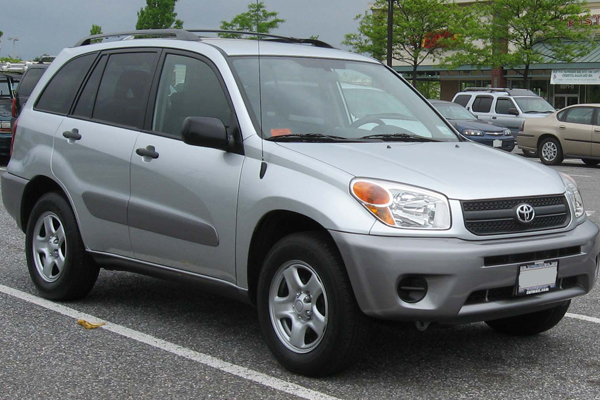
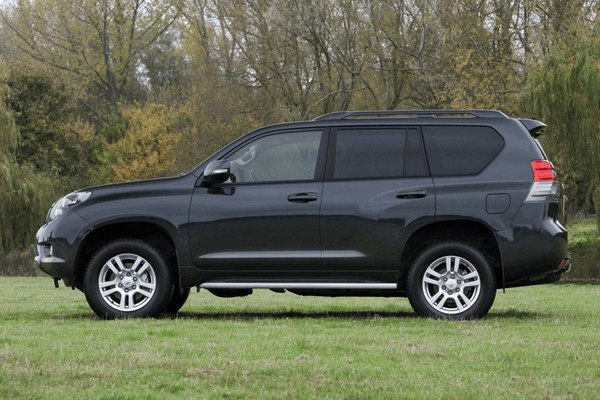
Toyota Prado $80/day

Prado TXL $100/day
Toyota Rav4 at $45/day
![rent a car rwanda, rental cars rwanda, drive in rwanda, kigali car hire, kigali car rental, [self drive rwanda], "self drive in rwanda", rent a car in rwanda, self drive rwanda, cheap car hire in kigali, rwanda car hire, car rental rwanda, kigali car rental, rent a self drive in kigali, cheap car rental in rwanda, rwanda self drive, car hire rwanda, rent a car kigali, rental cars rwanda, safari car hire rwanda, rent a 4x4 car rwanda, 4wd car hire rwanda, cheap 4x4 car rental, rent a safari car rwanda, driving in rwanda, self drive in kigali, self drive rental, car hire, safari car rental rwanda, 4x4 car rental rwanda, 4x4 rentals in rwanda, one way car rental rwanda, airport car rental rwanda, kigali airport transfers, airport pickup rwanda, rent a car kigali airport](https://rentacarinrwanda.com/wp-content/uploads/2020/02/toyota-rav4-self-drive.jpg "toyota-rav4-self-drive")
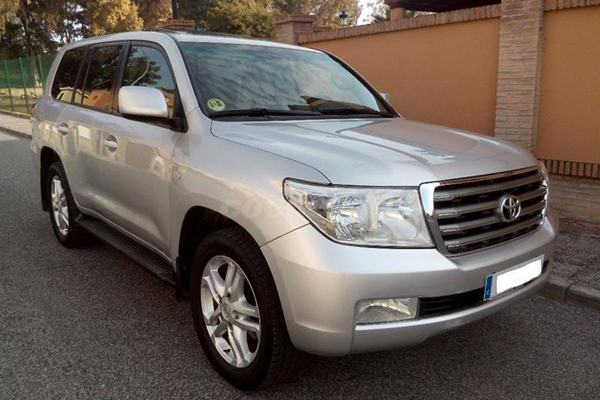
Landcruiser V8 $150/day
Toyota Rav4 at $50/day
![rent a car rwanda, car hire rwanda, rental cars rwanda, drive in rwanda, kigali car hire, kigali car rental, [self drive rwanda], "self drive in rwanda", rent a car in rwanda, self drive rwanda, cheap car hire in kigali, rwanda car hire, car rental rwanda, kigali car rental, rent a self drive in kigali, cheap car rental in rwanda, rwanda self drive, car hire rwanda, rent a car kigali, rental cars rwanda, safari car hire rwanda, rent a 4x4 car rwanda, 4wd car hire rwanda, cheap 4x4 car rental, rent a safari car rwanda, driving in rwanda, self drive in kigali, self drive rental, car hire, safari car rental rwanda, 4x4 car rental rwanda, 4x4 rentals in rwanda, one way car rental rwanda, airport car rental rwanda, kigali airport transfers, airport pickup rwanda, rent a car kigali airport](https://rentacarinrwanda.com/wp-content/uploads/2020/02/toyota-rav-4.jpg "toyota-rav-4")
Book your car hire Rwanda today
Maybe you’re carpooling with co-workers to and from the hotel to the conference center, maybe you’re traveling solo, or maybe you’re bringing your partner or kids. No matter who you’re traveling with, Rent a Car in Rwanda has a vehicle that can fit your requirement and not break the bank.
Car Hire Rwanda Blog
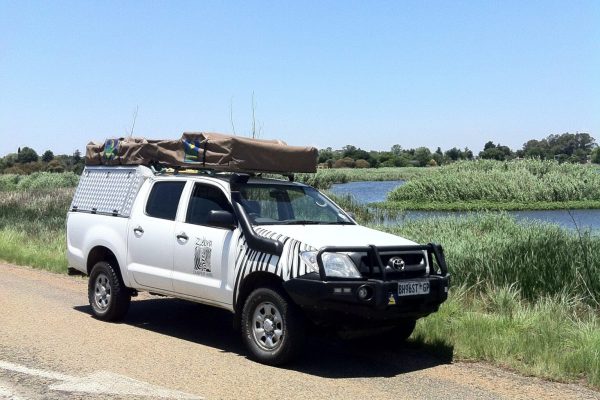
Affordable roof-top tent car hire Kenya
Rooftop Tent Hire Kenya gives independent travelers an affordable and flexible way to combine a safari vehicle, transportation and camping accommodation in one package. Instead of paying for a rental car and a lodge every night, you can travel in a properly equipped 4×4 with a rooftop tent and stay at designated campsites along your route. Kenya is especially well suited to this style of travel. From Nairobi, self-drive travelers can build road trips toward the Maasai Mara, Lake Naivasha, Lake Nakuru, Amboseli, Samburu, Tsavo, Mount Kenya and the Indian Ocean coast. However, affordable car hire should never mean choosing the cheapest vehicle without checking its condition, insurance or camping equipment. A low advertised rate can become expensive when the quotation excludes bedding, cooking equipment, mileage, insurance or essential camping gear. This guide explains how to choose affordable roof-top tent car hire Kenya options without sacrificing reliability, safety or comfort. Why Rooftop Tent Hire Kenya Appeals to Independent Travelers A rooftop-tent safari combines several parts of a trip into one vehicle. You have transport. You have a sleeping space. In addition, many rental packages can include chairs, a camping table, cooking equipment, water storage and refrigeration. As a result, travelers do not have to book a hotel every night. This can make longer Kenya road trips more flexible. You can spend some nights camping and others in lodges. Moreover, self-driving allows you to control the schedule rather than following a fixed group-tour program. Couples can travel privately. Families can take breaks whenever needed. Photographers can spend more time in areas they enjoy. Long-term travelers can slow down and explore less-visited places. What Is a Rooftop Tent Car? A rooftop tent is a folding tent fitted securely to a vehicle’s roof rack. During driving, the tent remains closed. At the campsite, it unfolds into a raised sleeping area. A ladder provides access. Inside, most rental tents include a fitted mattress. Unlike a conventional ground tent, you do not need to find perfectly flat ground before sleeping. Furthermore, setup can become quick once you understand the system. A proper handover should show you how to open, close and secure the tent before you leave the rental location. Current specialist Kenya rental pages offer single, double and family rooftop-tent configurations on vehicles such as Toyota Land Cruisers, Prado models and similar safari 4x4s. Affordable Rooftop Tent Hire Kenya Versus Lodge Safaris Camping and lodge travel provide very different experiences. A lodge safari offers convenience. Rooms are ready when you arrive, meals may already be prepared and you do not need to set up camp. However, lodge costs can become substantial during a long safari, particularly when visiting well-known wildlife areas. Rooftop camping works differently. You pay for the vehicle, camping setup and campsite instead of a separate lodge room each night. You also prepare more of your own food. Therefore, travelers who enjoy camping may reduce some accommodation costs. However, affordability depends on the complete package. Fuel, park fees, campsite charges, food, rental insurance and equipment all need to be included in the budget. For that reason, compare the total trip cost rather than simply comparing hotel and rental prices. Is Affordable Roof-Top Tent Car Hire Kenya Really Cheaper? Sometimes. However, the answer depends on how you travel. A couple taking a long road trip and camping most nights may gain excellent value from a rooftop-tent vehicle. A traveler renting a large Land Cruiser for only two days may not. Fuel consumption also matters. Large 4x4s generally use more fuel than smaller cars. Therefore, an expensive Land Cruiser may cost more to operate even when camping saves money on accommodation. The length of the rental also affects value. Long-term rental rates may be more attractive than short bookings. For this reason, ask for a complete quotation based on your actual dates and route. How to Find Affordable Rooftop Tent Hire Kenya Start by defining the trip before choosing the vehicle. How many people are traveling? How many nights will you camp? Which national parks do you plan to visit? Will you remain in Kenya? Do you plan to cross into Tanzania, Uganda or Rwanda? Where will you collect and return the car? Once these questions are clear, the rental company can recommend the right setup. A smaller vehicle may offer better value for a couple. Meanwhile, families may need a larger Land Cruiser and more sleeping capacity. Choosing the correct size prevents you from paying for a vehicle you do not need. Compare the Total Rental Price, Not Only the Daily Rate Headline prices can be misleading. One company’s quotation may include the tent, bedding, chairs and cooking equipment. Another company may charge separately for those items. Insurance can also differ. Mileage restrictions may apply. Airport delivery could cost extra. One-way rentals can require a repositioning fee. Cross-border use may involve additional documents. Therefore, ask for the final rental cost before deciding which company is cheapest. A slightly higher daily rate may provide better overall value when more equipment is included. What Should Rooftop Tent Hire Kenya Include? At minimum, the rental should clearly identify the vehicle and rooftop tent. Camping packages vary more widely. Useful equipment may include a mattress, bedding or sleeping bags, camping table, folding chairs, gas cooker, cooking pots, plates, cups, cutlery, water containers and lighting. Some packages also provide a refrigerator or cooler. Recovery equipment may come with the vehicle. However, never assume that every company includes all these items. Current Kenya operators explicitly vary what they bundle with rooftop-tent rentals, with some offering camping equipment as an added package rather than automatically including everything. Ask for an equipment inventory in writing. Rooftop Tent Mattress and Bedding The mattress affects sleep quality more than many travelers expect. Ask about its size and thickness. Couples should confirm whether the sleeping area feels wide enough for two adults. Also ask whether bedding is included. Some travelers prefer to bring sleeping bags. Others want sheets, pillows and blankets supplied. Night…
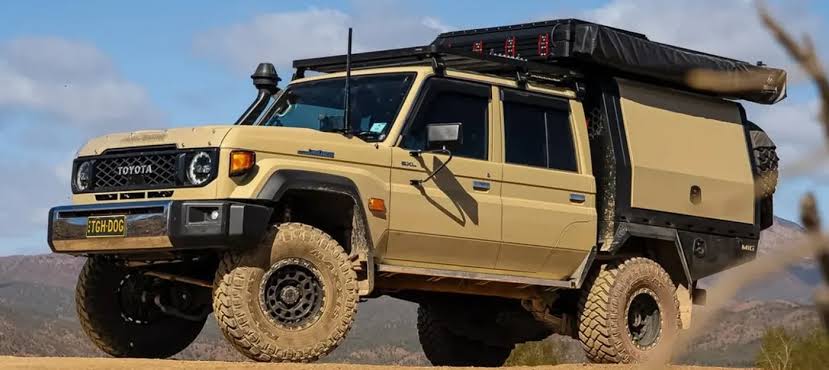
Roof-tent Land Cruiser rental Kenya
Land Cruiser rental Kenya with a roof-top tent gives independent travelers one of the most flexible ways to experience Kenya’s wildlife, landscapes and open roads. Instead of relying entirely on lodges, scheduled transfers and organized group departures, you can travel with your sleeping setup and camping equipment directly on your four-wheel-drive vehicle. From Nairobi to the Maasai Mara, Amboseli, Samburu, Tsavo, Lake Naivasha and the Kenyan coast, a properly equipped Toyota Land Cruiser turns an ordinary road journey into a complete self-drive safari. Kenya suits this style of travel extremely well. Its road network connects world-famous wildlife areas with the Great Rift Valley, central highlands, semi-arid northern regions and Indian Ocean coastline. A traveler can wake near a wildlife reserve, prepare breakfast beside the vehicle, pack the rooftop tent and continue toward a completely different landscape before sunset. Choosing a roof-tent Land Cruiser rental Kenya package requires more thought than simply selecting a vehicle from a photograph. Travelers need to consider which Land Cruiser model suits the route, how many people will sleep in each tent, whether the vehicle has enough luggage space, which camping equipment comes with the rental, what insurance applies and whether the rental company permits international travel. A couple planning ten days between Nairobi, Naivasha and Maasai Mara will have very different requirements from a family spending three weeks between Kenya and Tanzania. Serious wildlife photographers may need more storage and charging capacity. Long-distance overlanders may prioritize fuel capacity and mechanical simplicity. First-time campers may prefer well-developed campsites rather than isolated locations. This guide explains everything you need to know before booking Land Cruiser rental Kenya with a rooftop tent, including vehicle models, camping equipment, self-drive logistics, route planning, road conditions, campsite considerations, rental costs, insurance, cross-border travel and some of the best Kenya camping safari routes. Why Choose Land Cruiser Rental Kenya With a Roof Tent? A Toyota Land Cruiser fits Kenya safari travel because it combines passenger space, high ground clearance and four-wheel-drive capability with the ability to carry substantial equipment. Adding a rooftop tent transforms the vehicle further. During the day, the Land Cruiser operates as your safari and transfer vehicle. At night, the same vehicle becomes the foundation of your campsite. This approach gives travelers enormous flexibility. Instead of building an itinerary entirely around hotel availability, you can include established campsites close to wildlife areas, lakes, forests and other scenic destinations. Travelers also avoid repeatedly moving bags between transfer vehicles. Your luggage, cooking equipment and sleeping setup travel with you throughout the journey. A Land Cruiser rental Kenya setup is especially attractive for travelers who enjoy outdoor experiences but still want a strong, dependable vehicle rather than a small conventional rental car. The elevated driving position also provides useful visibility when traveling through wildlife areas. Roof-Tent Land Cruiser Rental Kenya for Independent Safaris Independent travel changes the rhythm of a Kenya safari. A traditional organized safari often follows scheduled departure times and predetermined stops. Self-driving gives you more control. You might leave camp shortly after sunrise because wildlife photography matters most in the morning. Another day could begin later after a relaxed breakfast. Scenic stops can happen spontaneously. If a viewpoint across the Rift Valley catches your attention, you can pull over safely and enjoy it without worrying about a group schedule. That freedom is one of the strongest reasons travelers select roof-tent Land Cruiser rental Kenya instead of a conventional lodge-and-transfer package. Independence still requires preparation. Travelers need realistic routes, confirmed campsites, sufficient fuel, working navigation and an understanding of national park rules. Good self-drive travel combines flexibility with organization. Why the Toyota Land Cruiser Works So Well in Kenya Toyota Land Cruisers have become closely associated with East African safari travel because they handle a wide range of conditions. Kenya’s road environment varies dramatically. A morning may begin on a modern highway leaving Nairobi and end on a dusty national park track. Some rural roads become corrugated. Rain can create mud and slippery sections. Steep or rocky roads may appear around highland areas. A well-maintained Land Cruiser gives travelers more options when conditions change. The vehicle’s size also helps with camping. Rooftop tents add weight. Water, food, chairs, tables, sleeping equipment and luggage add even more. A robust vehicle platform therefore makes sense for longer expeditions. Regional mechanics are also familiar with Toyota 4×4 vehicles, which provides another practical advantage during extended journeys. Best Land Cruiser Rental Kenya Models for Roof-Tent Safaris Not every Toyota Land Cruiser offers the same experience. Some models prioritize rugged simplicity. Others provide more passenger comfort. Large models suit families, while more compact versions work well for couples. Choosing the correct Land Cruiser can improve fuel economy, storage and daily comfort. Land Cruiser Prado for Land Cruiser Rental Kenya A Toyota Land Cruiser Prado is often a strong choice for two travelers. It combines comfortable highway driving with genuine four-wheel-drive capability. Automatic versions appeal particularly to travelers who prefer simple operation. The cabin generally feels more refined than heavy-duty expedition Land Cruisers. That comfort becomes valuable during journeys between Nairobi and distant safari destinations. A Prado fitted with one rooftop tent can provide an efficient couple’s camping setup. Travelers need to pack carefully because camping gear consumes interior cargo space. Soft travel bags normally work better than large rigid suitcases. For itineraries combining Nairobi, Lake Naivasha, Maasai Mara, Amboseli and other mainstream destinations, a properly maintained Prado can offer an excellent combination of comfort and capability. Land Cruiser 76 Series for Kenya Camping Safaris The Land Cruiser 76 Series appeals to travelers who want a more expedition-oriented vehicle. Its design provides useful cargo capacity and rugged construction. Camping conversions can incorporate storage systems, refrigerators and rooftop tents. For longer road trips, that organization can make a major difference. Instead of stacking luggage randomly, travelers can keep food, kitchen equipment and personal belongings in predictable locations. A 76 Series Land Cruiser rental Kenya package may suit couples who want extra cargo room or travelers undertaking…
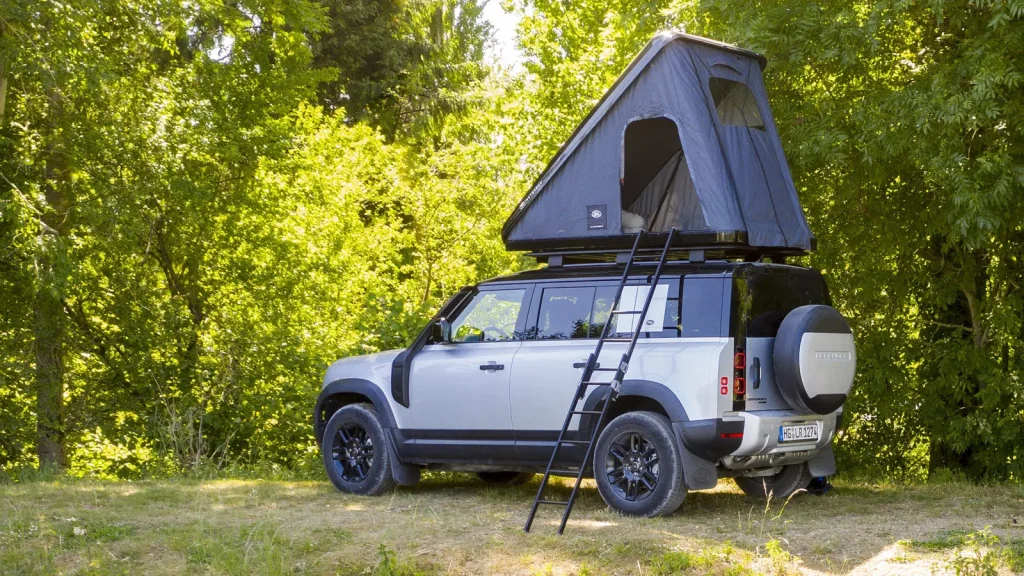
Kenya camping car hire with roof-top tent
Kenya camping car hire with roof-top tent gives adventurous travelers the freedom to turn a 4×4 safari vehicle into both transportation and a mobile camping base. Instead of following fixed lodge schedules every night, you can explore Kenya’s national parks, conservancies, Rift Valley landscapes, highlands and Indian Ocean coast with your camping equipment traveling with you. Kenya is one of Africa’s great road-trip destinations. A single journey can connect Nairobi with Lake Naivasha, Lake Nakuru, the Maasai Mara, Amboseli National Park, Samburu, Ol Pejeta, Tsavo and the coast. For travelers who have enough time, a properly arranged rental can also form part of a longer East African expedition toward Tanzania, Uganda or Rwanda. Choosing the right Kenya camping car hire package is about much more than finding a four-wheel-drive vehicle with a tent attached to its roof. The vehicle needs adequate ground clearance, suitable tires, enough luggage capacity, dependable mechanical condition and camping equipment that matches your group size. Travelers also need to understand campsite rules, national park conditions, fuel planning, rental insurance and the practical advantages and limitations of sleeping in a rooftop tent. A couple spending two weeks around Kenya has very different needs from a family of four or a photography group traveling through Kenya and Tanzania. Some travelers need one rooftop tent. Others require two tents, a larger sleeping configuration or an additional ground tent. A compact 4×4 can make sense on selected routes, while long and demanding safari journeys usually justify a Toyota Land Cruiser or similarly capable vehicle. This comprehensive guide explains how Kenya camping car hire with roof-top tent works, the vehicles available for camping safaris, what equipment you should expect, where you can travel, how to plan costs and what to consider before beginning a self-drive adventure. Why Choose Kenya Camping Car Hire With Roof-Top Tent? A rooftop-tent vehicle combines two major parts of your safari: transportation and accommodation. During the day, the 4×4 takes you between national parks, campsites and towns. When the driving day ends, you unfold the rooftop tent and convert the vehicle into your camping base. This arrangement appeals strongly to independent travelers. You do not need to change hotels every night. Luggage remains organized inside the vehicle, and you can create an itinerary around landscapes and campsites rather than only around lodge availability. The freedom becomes particularly valuable on longer trips. Imagine leaving Nairobi for Lake Naivasha, continuing toward the Maasai Mara, driving south toward Amboseli and later following the road toward Tsavo. Instead of packing and unpacking at a different lodge each day, your core camping setup travels with you. A Kenya camping car hire safari also creates a closer relationship with the outdoors. Evenings can revolve around preparing dinner at camp, listening to the sounds of the surrounding landscape and watching the African sky darken rather than returning immediately to a conventional hotel room. Camping does require responsibility. Travelers need to stay in permitted campsites, follow wildlife-safety instructions and respect the regulations of parks, conservancies and private properties. A rooftop tent provides an elevated sleeping platform, but it should never be treated as protection that allows travelers to ignore wildlife precautions. What Is a Roof-Top Tent Camping Car? A rooftop tent is a sleeping structure mounted on a vehicle roof rack. Most designs fold or close while driving and open when travelers arrive at camp. An integrated ladder provides access to the sleeping area. Inside, many rooftop tents contain a mattress so travelers do not need to inflate and pack a separate bed every evening. Different designs accommodate different numbers of people. A standard tent normally works best for one or two travelers. Larger configurations can accommodate more occupants, while some safari vehicles carry two rooftop tents for families or small groups. The exact setup matters. Before booking Kenya camping car hire with roof-top tent, ask for photographs and sleeping dimensions of the actual tent type. Marketing phrases such as “double tent” or “family tent” can mean different things between suppliers. Travelers should also think about ladder access. A rooftop tent requires climbing up and down each evening and morning. People with reduced mobility, significant knee problems or discomfort with ladders may find a ground tent or lodge-based safari more suitable. For travelers who enjoy camping, however, the convenience of keeping the sleeping platform connected to the vehicle can make moving camp much faster. Kenya Camping Car Hire Versus Ordinary Car Rental An ordinary rental car provides transportation. A camping-equipped 4×4 provides transportation plus the infrastructure required for an outdoor safari. That distinction influences both price and preparation. A normal SUV may provide four-wheel drive but lack a reinforced rooftop system, sleeping equipment, water storage, cooking gear and the cargo organization required for a multi-day camping safari. Camping cars should carry weight safely. The rooftop tent, passengers, luggage, food, water and equipment all add to the total load. Rental companies that specialize in camping safaris generally organize the vehicle around these requirements. This is particularly important on rough safari roads. Loose equipment can move dramatically on corrugated tracks. Proper storage boxes and secure packing make the journey both safer and more comfortable. When comparing rental prices, therefore, do not compare an ordinary SUV directly with a fully equipped camping Land Cruiser without accounting for the additional equipment. Why Kenya Is Excellent for a Rooftop-Tent Road Trip Kenya combines wildlife, road-trip variety and a large selection of destinations. Nairobi acts as a natural gateway. Within a broader circuit, travelers can explore freshwater and soda lakes in the Rift Valley, world-famous savannah ecosystems, arid northern landscapes, mountain regions and the tropical Indian Ocean coast. This diversity makes camping journeys particularly interesting. A night near a savannah wildlife area feels completely different from camping around a Rift Valley lake or near Kenya’s highlands. Road trips also reveal landscapes that air travel skips. The drive itself becomes part of the experience. Roadside scenery, escarpments, farming regions and small towns help travelers understand how Kenya’s different ecological areas connect.…
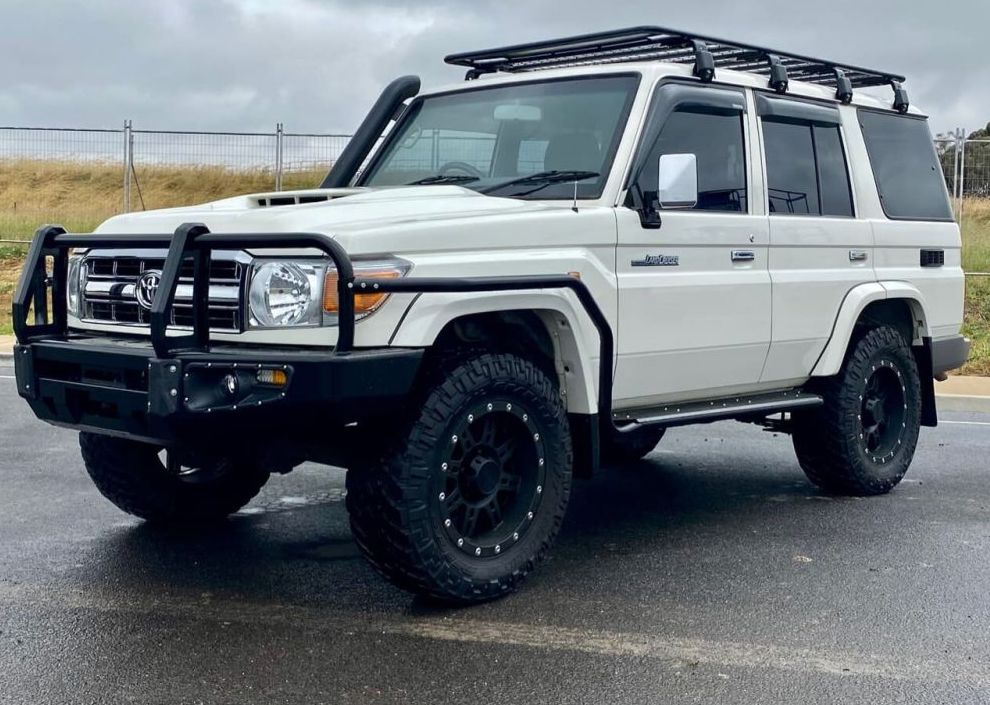
Self-drive roof-tent car hire Kenya
A good rooftop tent rental Kenya package combines transport, sleeping space and camping equipment in one practical safari setup. It works especially well for couples, photographers, families and independent travellers who want more freedom than a conventional guided safari usually provides. Travelling across Kenya in a 4×4 with your accommodation mounted above the vehicle offers a completely different safari experience. Instead of following a fixed lodge-to-lodge schedule, you can move through wildlife areas, Rift Valley landscapes, mountains and remote camps at your own pace. Why Rooftop Tent Rental Kenya Is Growing in Popularity Independent safari travel has become increasingly attractive because many visitors want flexibility rather than a tightly controlled itinerary. With a self-drive 4×4, you can leave Nairobi in the morning, spend several nights near a national park, continue toward another wildlife region and adjust your schedule according to road conditions or personal interests. A rooftop tent adds another level of freedom because your accommodation travels with you. Instead of searching for a hotel every evening, you can reserve campsites close to wildlife areas and create a route based around landscapes rather than hotel availability. The experience is also more immersive. Morning coffee beside the vehicle feels different from breakfast inside a large lodge dining room. Evening becomes quieter, and sounds from the surrounding bush become part of the safari. For many travellers, this combination of independence, nature and practical mobility explains why rooftop tent rental Kenya has become an attractive alternative to conventional safari travel. What Is Rooftop Tent Rental Kenya? A rooftop tent is a foldable sleeping unit permanently secured to the roof rack of a safari vehicle. Once the vehicle reaches a campsite, the tent opens into a raised sleeping platform. Access is normally provided through a ladder, while a mattress remains inside the tent. The biggest advantage is convenience. There is no need to clear stones, level soft ground or pitch a traditional tent every evening. Most rooftop tents can be opened relatively quickly once the traveller becomes familiar with the system. A typical Kenya setup may include a Toyota Land Cruiser, Prado, Hilux or another capable 4×4. Depending on the rental package, the vehicle can also include camping chairs, a table, cooking equipment, water containers, bedding, recovery equipment and sometimes a refrigerator. Not every company includes the same equipment. For that reason, comparing a rental should involve much more than looking at the daily vehicle price. Rooftop Tent Rental Kenya for a Self-Drive Safari Self-driving changes the rhythm of a safari. Travellers are no longer dependent on a permanent driver-guide deciding departure times or how long to remain at a particular location. You decide when the day begins. Wildlife photographers may choose to spend longer near a productive area. Birdwatchers can stop when they notice an interesting species. Couples can enjoy a slow afternoon without feeling they are delaying a group. Independence also allows travellers to combine national parks, conservancies, towns and scenic areas in ways that conventional packages may not offer. However, freedom requires preparation. You become responsible for navigation, fuel, road conditions, camp planning and vehicle care. Anyone considering rooftop tent rental Kenya should therefore balance adventure with sensible planning. Choosing the Right 4×4 for Rooftop Tent Rental Kenya Vehicle selection can determine whether a road trip feels comfortable or exhausting. The cheapest 4×4 is not automatically the best option. Passenger numbers, luggage, fuel consumption, ground clearance, transmission, camping equipment and route difficulty should all influence the decision. For a couple travelling with limited luggage, a medium-size 4×4 may be enough. Longer itineraries or remote routes usually benefit from a stronger vehicle with larger storage capacity. Families need to think about passenger space as carefully as tent size. Hours spent on safari roads can become tiring if the vehicle is overcrowded. Toyota Land Cruiser for Rooftop Tent Rental Kenya The Toyota Land Cruiser remains one of the most familiar safari vehicles in East Africa. Its reputation comes from durability, four-wheel-drive capability and suitability for rough terrain. Different Land Cruiser versions serve different travel styles. A hardtop model is often chosen for practical expedition use, while a Prado can provide a more comfortable interior for travellers spending long periods on paved roads. Classic Land Cruiser safari models offer strong ground clearance and enough load capacity for camping equipment, water and luggage. If your itinerary includes remote parks or difficult tracks, choosing a properly prepared Land Cruiser can provide additional confidence. Toyota Hilux for Rooftop Tent Rental Kenya A double-cab Toyota Hilux is another practical option. Its pickup design allows luggage and camping equipment to be separated from the passenger area. Depending on the setup, one or two rooftop tents can be installed. That makes the Hilux suitable for couples, friends and smaller families. Before booking, confirm whether the load area is weatherproof and secure. Camping gear should remain protected from rain, dust and theft. Prado and Comfortable Self-Drive Options Travellers who want a combination of safari capability and everyday driving comfort may prefer a Toyota Land Cruiser Prado or similar SUV. These vehicles are often easier to drive in towns and on paved roads. A Prado can still handle many safari routes when equipped properly, although it may offer less storage space than a larger expedition vehicle. Your itinerary should determine the choice. A relatively straightforward route through Nairobi, Naivasha, the Maasai Mara and Amboseli may require a different setup from a remote journey into northern Kenya. Why 4×4 Capability Matters in Kenya Many major roads in Kenya are paved and relatively straightforward. Conditions change once you move into national parks, conservancies or remote rural areas. Safari tracks may include corrugations, loose stones, sand, mud and deep ruts. Heavy rain can transform a road surprisingly quickly. A track that looked easy earlier in the day may become slippery after an afternoon storm. Four-wheel drive provides better traction when conditions deteriorate, but having 4×4 capability does not mean every road should be attempted. Good judgment remains more important than equipment. During vehicle collection,…
4×4 roof-top tent rental Nairobi
A 4×4 roof-top tent rental Nairobi adventure gives travelers one of the most independent ways to experience Kenya. Instead of moving from hotel to hotel on a fixed safari schedule, you carry your transport, sleeping space and much of your camping equipment in one vehicle. Nairobi makes a natural starting point. From the capital, travelers can drive south toward Amboseli, west through the Great Rift Valley, continue to Lake Nakuru and the Maasai Mara, head north toward Laikipia and Samburu, or travel southeast through Tsavo before finishing on Kenya’s Indian Ocean coast. The attraction goes beyond saving money on accommodation. A rooftop-tent safari allows you to wake early at a campsite, prepare coffee beside your vehicle and begin exploring before much of the day-tour traffic arrives. You can spend longer in destinations you enjoy, adjust the route when weather changes and combine national parks with lakes, highlands, small towns and the coast. However, successful self-drive camping requires more planning than simply collecting a Toyota Land Cruiser in Nairobi and heading toward the bush. You need the right vehicle, suitable camping equipment, adequate insurance, sensible driving distances, reliable navigation, water storage, recovery equipment and a clear understanding of where camping is permitted. This complete guide explains how to choose a 4×4 roof-top tent rental Nairobi, what the rental should include, which vehicles work well, how much rentals can cost, where to camp, which routes make sense, how to plan fuel stops and how to avoid the mistakes that can turn a dream Kenya road trip into an exhausting one. What Is a 4×4 Roof-Top Tent Rental Nairobi? A 4×4 rooftop-tent rental combines an off-road-capable vehicle with a tent mounted securely on the vehicle’s roof rack. At camp, you unfold or open the tent, extend the ladder and climb into an elevated sleeping area. A mattress normally remains inside the tent while you travel. The arrangement turns the vehicle into a mobile camping base. Rental companies in Nairobi currently offer rooftop tents on vehicles such as Toyota Land Cruisers, Land Cruiser Prados, Toyota Hilux pickups and, with selected companies, Land Rover Defenders or compact 4x4s. Two adults commonly share one rooftop tent. Families or small groups may use a larger family tent, two separate roof tents or a combination of rooftop and ground tents. The equipment package matters just as much as the tent. A properly prepared rental can include bedding, a table, chairs, cooking equipment, water containers, refrigeration or a cooler, lighting and basic recovery tools. Never assume every company includes the same equipment. Some operators bundle camping gear with the vehicle, while others charge separately for selected items. Why Start Your Rooftop-Tent Safari in Nairobi? Nairobi offers the widest selection of safari-ready rental vehicles in Kenya. The city also works well as a logistics base because travelers can buy groceries, gas for camping stoves, drinking water, SIM cards and forgotten equipment before entering remote areas. More importantly, Nairobi sits near several major safari routes. You can reach the Rift Valley without crossing the entire country. Amboseli lies to the south. Tsavo connects naturally with a route toward Mombasa and the coast. Northern highways lead toward Mount Kenya, Nanyuki, Laikipia, Isiolo and Samburu. Starting in Nairobi also simplifies airport logistics for international visitors arriving at Jomo Kenyatta International Airport. Many rental companies can arrange vehicle collection at their Nairobi depot or organize airport transfers to the collection point. Do not plan to land after an overnight international flight and immediately drive six or seven hours into the bush. A calmer first day gives you time to inspect the vehicle, learn how the tent works, purchase supplies and become comfortable with Kenyan traffic before beginning the longer safari route. Why Choose a Rooftop Tent Instead of Lodges? The main advantage is flexibility. Your accommodation travels with you, which gives the itinerary a different rhythm from a lodge-based safari. You can camp in one area for several nights and move when you feel ready. A campsite also brings you closer to Kenya’s natural environment, particularly when you stay inside or near national parks. Costs can also differ from lodge travel. Camping does not remove park fees, vehicle costs, fuel or food expenses, but it may reduce the amount spent on accommodation. The greatest benefit, however, often comes from the experience rather than the savings. Evenings become part of the safari. You prepare dinner outdoors, listen to wildlife, watch the stars and begin the next morning without leaving your environment for a hotel lobby. Rooftop tents also simplify setup compared with many conventional ground tents. Once you learn the system, opening and closing the tent becomes part of the daily routine. Rooftop Tent Versus Pop-Up Safari Roof Travelers regularly confuse these two features. A rooftop tent provides sleeping accommodation. A pop-up safari roof provides standing room for wildlife viewing and photography. The pop-up section opens above the passenger compartment during game drives. Travelers can stand and look across vegetation while the vehicle remains stationary or moves slowly. You do not sleep inside a pop-up roof. Likewise, a normal rooftop tent does not automatically provide the elevated wildlife-viewing experience of a purpose-built safari roof. Some rental fleets offer different configurations. Ask the company exactly what sits on the roof before booking. For a camping road trip, prioritize a strong rooftop-tent arrangement. For intensive game viewing, discuss whether the specific vehicle also offers suitable visibility from windows, a sunroof or another viewing configuration. Understanding that difference prevents disappointment when the vehicle arrives. Who Should Choose 4×4 Roof-Top Tent Rental Nairobi? Rooftop camping suits travelers who value independence. Couples often find the format particularly convenient because one tent generally provides enough sleeping room while the vehicle still carries plenty of equipment. Photographers appreciate the ability to control departure times and stay longer in productive wildlife areas. Overlanders can use Nairobi as the beginning of a much longer route through Kenya and neighboring countries. Families can also enjoy the experience when they choose a vehicle and tent…
Roof-tent car hire Kenya
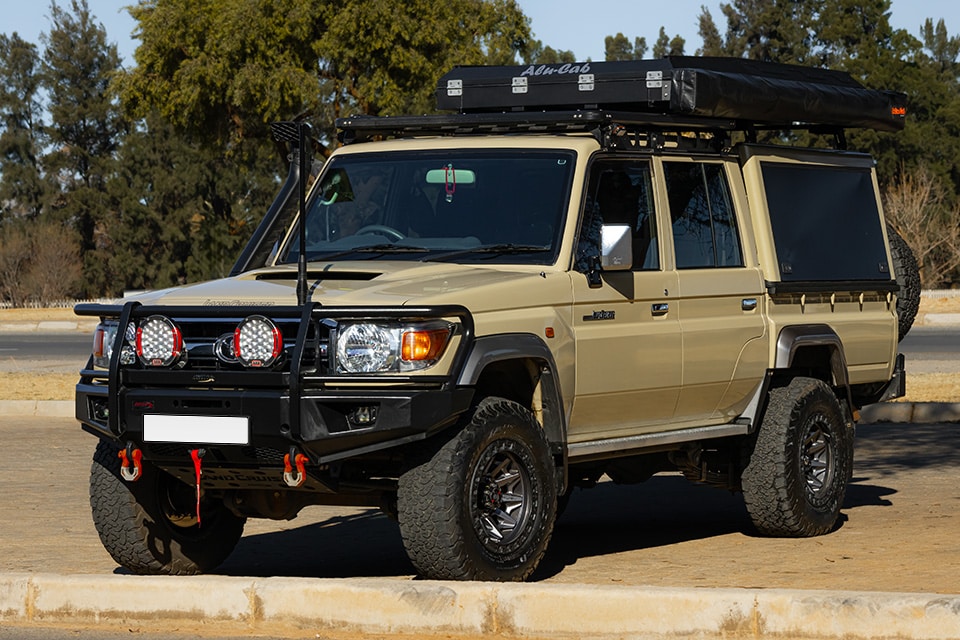
When you want to experience Kenya beyond traditional lodge-based safaris, hiring a four-wheel-drive vehicle fitted with a rooftop tent opens an entirely different style of adventure. Roof-tent car hire Kenya combines transportation, accommodation and independence in one safari setup, allowing you to travel between wildlife reserves, lakes, mountains, small towns and coastal destinations while carrying your sleeping space with you. Rather than following a fixed safari timetable, you decide where to stop, how long to stay and which roads to explore. Wake up close to the landscapes of the Maasai Mara, watch elephants beneath Mount Kilimanjaro around Amboseli, cross the dramatic Great Rift Valley, continue north toward Samburu or drive southeast through Tsavo before reaching Kenya’s Indian Ocean coast. A properly prepared rooftop-tent safari vehicle also offers something many traditional tours cannot: flexibility. You can mix camping nights with lodges, guesthouses and tented camps. You can stay longer when wildlife viewing is exceptional, change your route when weather conditions require it and design a Kenya road trip around your own interests instead of adapting your holiday to a group departure. This guide explains almost everything travelers should consider before hiring a rooftop-tent vehicle in Kenya, including the best 4×4 models, rooftop-tent configurations, camping equipment, self-drive routes, national parks, road conditions, safety, fuel planning, insurance, campsite selection, cross-border travel and practical booking considerations. What Is Roof-Tent Car Hire Kenya? Roof-tent car hire Kenya refers to renting a vehicle, usually a capable 4×4, with a folding or hardshell sleeping tent installed on a reinforced roof rack. During the day, the tent remains folded securely above the vehicle. At camp, it opens into an elevated sleeping area accessed by a ladder. Most rooftop tents contain a mattress, ventilated windows, mosquito mesh and weather-resistant canvas. Depending on the rental package, bedding may also be supplied. The vehicle can then carry additional camping equipment such as chairs, tables, cooking utensils, a gas stove, drinking-water containers, a refrigerator or cooler, lights and recovery equipment. For Kenya, a rooftop tent is particularly attractive because the country’s best road-trip destinations are spread across very different landscapes. One holiday may include Nairobi, the Rift Valley, Maasai Mara, Lake Naivasha, Amboseli, Tsavo and the coast. Instead of checking into a hotel every evening, your accommodation travels with you. The concept should not be confused with a safari vehicle fitted with a pop-up viewing roof. A pop-up roof opens during wildlife viewing so passengers can stand and photograph animals. A rooftop tent, by contrast, is designed for sleeping. Some specialized vehicles may offer configurations that address both camping and game-viewing requirements, but travelers should confirm this before booking. Why Roof-Tent Car Hire Kenya Is Growing in Popularity The popularity of independent travel has changed the way many visitors experience East Africa. Travelers increasingly want more control over their daily schedules, accommodation style and overall safari budget. A rooftop-tent vehicle responds to all three. Kenya is especially suitable because several world-famous wildlife destinations can be linked by road. Nairobi provides an excellent starting point, while the country’s tourism infrastructure makes it possible to combine safari areas with highlands, lakes and beaches. The attraction is not simply financial. Sleeping in a rooftop tent can become one of the most memorable parts of an African road trip. Evening meals prepared outside the vehicle, spectacular sunsets, clear skies, cool highland mornings and the sounds of nature create a very different atmosphere from moving between hotel rooms. Travelers also appreciate having their belongings in the same vehicle throughout the journey. Instead of packing and unpacking suitcases for every overnight stop, camping equipment, food and luggage remain organized inside or around the 4×4. Couples often choose rooftop camping because it gives them privacy and independence. Photographers appreciate being able to organize their mornings around the best light. Families can create a highly interactive holiday, while long-term overlanders can significantly reduce their dependence on conventional accommodation. Roof-Tent Car Hire Kenya Versus a Traditional Safari A traditional guided safari normally includes a professional driver-guide, prearranged accommodation, scheduled meals and an established itinerary. It is convenient and particularly suitable for visitors who want someone else to manage every detail. A self-drive rooftop-tent safari operates differently. The traveler takes more responsibility for navigation, campsite planning, fuel, food, road conditions and daily decisions. In exchange, the journey becomes more flexible. Neither style is automatically better. They serve different types of travelers. Someone visiting Africa for the first time and interested mainly in maximizing wildlife sightings may appreciate a professional guide. Experienced road travelers may prefer the freedom of self-driving. Others choose a middle ground by renting a rooftop-tent vehicle together with a driver-guide. Mixing the styles is also possible. You might camp independently around Naivasha and Samburu, stay in a lodge in the Maasai Mara and then return to camping around Amboseli or Tsavo. This flexibility is one reason rooftop-tent travel has become an important segment of Kenya’s safari market. Choosing the Right 4×4 for a Rooftop-Tent Safari The quality of your safari depends far more on the vehicle than many travelers initially realize. A beautiful tent will not compensate for unreliable tyres, weak suspension or mechanical problems hundreds of kilometres from Nairobi. Kenya’s highways between major destinations can be excellent, but national-park tracks, rural roads and campsite approaches can change dramatically with weather. Dry tracks can become slippery or muddy after heavy rainfall. Corrugated surfaces can punish suspension systems, while rocks and deep ruts require adequate ground clearance. For these reasons, Toyota Land Cruisers and similar four-wheel-drive vehicles dominate the rooftop-tent safari sector. Toyota Land Cruiser Prado for Roof-Tent Car Hire Kenya The Toyota Land Cruiser Prado is one of the most practical vehicles for two travelers. It combines reasonable road comfort with four-wheel-drive capability and enough interior space for luggage and essential camping equipment. Automatic and manual versions exist, so travelers should confirm transmission preferences when requesting a quotation. A Prado with a single rooftop tent works particularly well for couples who want to combine national parks with longer…
Best roof-tent car hire company in Uganda
Uganda is one of East Africa’s most rewarding countries to explore by road. Tropical forests, open savannah, volcanic landscapes, crater lakes, wetlands and mountain scenery can all form part of one journey. For travelers who value independence, roof tent hire Uganda offers an adventurous way to combine transportation and accommodation in one practical safari setup. A properly equipped 4×4 allows you to travel from Entebbe toward Murchison Falls National Park, continue through the Fort Portal and Kibale region, explore Queen Elizabeth National Park, trek mountain gorillas around Bwindi, relax near Lake Bunyonyi and complete the circuit through Lake Mburo National Park. Longer journeys can reach Kidepo Valley or cross into Rwanda and other East African destinations. Hiring a rooftop-tent vehicle is different from renting an ordinary car. Your vehicle becomes your means of transport, luggage carrier, safari platform and sleeping base. Mechanical reliability, tyre condition, camping equipment, insurance, emergency assistance and tent quality therefore matter just as much as the daily rental price. This complete guide explains how roof tent hire Uganda works, which vehicles suit different travelers, what camping equipment to expect, where to travel, how much preparation you need and how to build a practical Uganda self-drive safari. Why Roof Tent Hire Uganda Works So Well for Safari Travel Uganda’s geography makes road travel particularly interesting. Instead of spending the entire holiday in one ecosystem, visitors can move between dramatically different landscapes within the same itinerary. Northern Uganda offers the Nile, powerful waterfalls and classic savannah. Western Uganda introduces tea country, crater lakes and chimpanzee forests. Farther south, the scenery changes again around Queen Elizabeth National Park, Bwindi Impenetrable National Park and the highlands close to Rwanda. A rooftop tent gives travelers considerable flexibility between these destinations. During daylight hours, the tent folds securely onto the vehicle roof. At camp, it opens into an elevated sleeping space reached by a ladder. For independent travelers, that arrangement has an important advantage: the safari does not depend entirely on fixed lodge accommodation. You can camp for several nights, stay in a lodge when you want additional comfort and then return to camping. This combination often works particularly well during longer road trips. The strongest reason to consider roof tent hire Uganda is therefore not simply that camping may cost less. It is the freedom to design a journey around landscapes, wildlife and experiences rather than moving only between predetermined hotels. What Is a Rooftop Tent Safari Vehicle? A rooftop-tent safari vehicle combines a capable road or off-road vehicle with a folding tent installed on a strong roof rack. When packed, the tent sits relatively flat above the vehicle. Once you reach the campsite, you remove or loosen the travel cover, unfold the sleeping platform, position the ladder and prepare the bed. Most conventional rooftop tents accommodate two adults. Larger vehicles can sometimes carry two tents, while specialized family configurations may provide sleeping arrangements for three or more travelers. Several companies operating in Uganda currently advertise single, double and family rooftop-tent setups on vehicles including Toyota Land Cruiser Prado, GX, V8, VX, Hardtop models and similar expedition vehicles. Car rental 4×4 The exact configuration matters. A couple can travel comfortably with one tent and modest luggage. Four adults require more sleeping capacity, but they also need substantially more room for bags, water, food, chairs, cooking equipment and other camping supplies. Choose the complete vehicle setup according to the number of travelers rather than counting only available seats. Roof Tent Hire Uganda Versus an Ordinary Rental Car A standard rental vehicle works well for city travel and straightforward highway journeys. A camping safari creates different demands. National park tracks may include gravel, loose surfaces, mud and uneven sections. Some rural routes deteriorate during periods of heavy rain. Additional ground clearance and genuine four-wheel-drive capability provide useful security when conditions become difficult. Camping also adds weight. Tents, mattresses, luggage, water, food, cooking equipment, chairs and possibly a refrigerator all need to travel with you. A properly prepared 4×4 handles this environment much better than an ordinary small passenger vehicle. That does not mean every Uganda journey requires the biggest Land Cruiser available. Couples following established routes may find a Prado or another appropriate compact 4×4 more economical and easier to manage. The goal should always be to select enough vehicle for the itinerary without unnecessarily increasing fuel consumption and rental cost. Choosing the Right Company for Roof Tent Hire Uganda A professional rental company should do much more than provide a vehicle key. Before booking, ask for the exact vehicle category, tent capacity, transmission, fuel type where relevant, insurance terms, excess, mileage conditions, camping equipment, emergency procedures and cross-border rules. Photographs also matter. Request recent images of the type of vehicle and tent being offered, particularly when booking a long trip. Stock photographs may show a different generation or configuration from the vehicle actually supplied. Communication provides another useful indicator. A company experienced with self-drive safaris should understand the difference between ordinary highway travel and routes through national parks. Staff should be able to discuss realistic journey times, camping locations, refueling points and roads that deserve additional caution. The cheapest quote does not necessarily provide the best value. A properly maintained vehicle with good tyres and reliable assistance can easily justify a higher daily rate. For roof tent hire Uganda, mechanical condition should always rank above cosmetic appearance. What to Inspect Before Accepting Your Vehicle The vehicle handover should never feel rushed. Walk around the 4×4 in daylight and record existing body damage. Check the windscreen, mirrors, lights, tyres and wheel condition. Make sure the spare wheel is present and properly inflated. Open the bonnet with the representative and ask about routine checks. You do not need to become a mechanic, but knowing where to check engine oil, coolant and other essential fluids can prove useful during a long expedition. Inside the car, test the air-conditioning, charging points, lights, windows and central locking. The camping equipment deserves equal attention. Open the rooftop…
Uganda self-drive roof-tent safari car hire
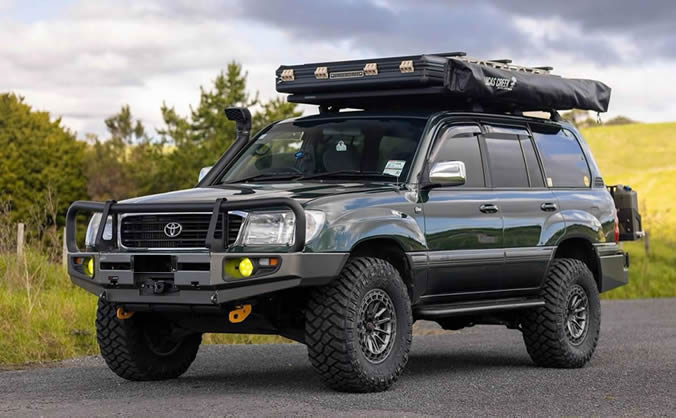
Exploring Uganda with your own 4×4 creates a very different safari experience. Rather than moving between destinations according to a fixed guided-tour timetable, Uganda self-drive car hire gives travelers the freedom to decide when to leave, where to stop and how quickly to move through the country. Add a roof-top tent, camping equipment and a capable Land Cruiser, and the rental vehicle becomes much more than transport. It becomes the foundation of an independent African road trip. Uganda suits this style of travel particularly well because extraordinary landscapes occur within one country. A journey can move from the open savannahs of Lake Mburo National Park into the mist-covered hills surrounding Bwindi Impenetrable National Park. After gorilla trekking, the route can continue through Queen Elizabeth National Park before reaching Kibale’s forests, crater lakes and chimpanzee country. Travelers with more time can extend their journey north toward Murchison Falls or even the remote landscapes of Kidepo Valley. A roof-top tent adds another dimension. Instead of depending entirely on lodges, adventurous travelers can stay at recognized campsites and carry their sleeping space wherever the road takes them. Therefore, accommodation becomes part of the vehicle rather than a completely separate element of the safari. However, independence requires sensible preparation. Uganda’s main highways can be straightforward, while rural roads and national-park tracks may change considerably after rain. Mountain routes around Bwindi demand more concentration than city driving. Furthermore, long distances between destinations mean that unrealistic itineraries can quickly turn an enjoyable holiday into a tiring sequence of transfers. This guide examines Uganda self-drive car hire from every important angle. It covers roof-top tents, Land Cruiser options, camping equipment, national parks, road conditions, itinerary planning, cross-border travel, insurance, fuel, campsites and practical preparation. Whether you plan a short Bwindi adventure or a multi-week Uganda road trip, the aim is to help you choose the right vehicle and build a journey that actually works. Why Uganda Self-Drive Car Hire Is Ideal for Independent Safaris Freedom is the most obvious advantage of driving yourself, but it is not the only one. On a conventional safari, the driver-guide controls much of the daily movement. Departure times are normally agreed in advance, accommodation is fixed, and major transfers follow the itinerary prepared before arrival. For many guests, this is exactly the convenience they want. Independent travelers often prefer something different. With Uganda self-drive car hire, there is more space for spontaneous decisions. Perhaps a beautiful viewpoint appears beside the road and you want twenty minutes for photographs. Maybe a roadside market looks interesting, or you discover a lake where an additional night would improve the journey. Because you are responsible for the vehicle, those decisions become easier. Photography also benefits from a less rigid schedule. Instead of leaving simply because the transfer must continue, travelers may wait for better light or enjoy a landscape at a slower pace. Furthermore, privacy is another advantage. Couples and families travel in their own space without a guide sharing every hour of the road trip. Nevertheless, self-drive travel is not automatically better than a guided safari. It is better suited to people who genuinely enjoy driving, navigation and independent decision-making. If those responsibilities sound stressful, hiring the same type of safari vehicle with a professional driver may provide a more enjoyable holiday. What Is a Roof-Top Tent Safari Vehicle? A roof-top tent safari vehicle is normally a proper four-wheel-drive SUV or expedition vehicle with a tent secured to a roof rack. During road travel, the tent remains folded and covered. Once the vehicle reaches a campsite, travelers open the system, extend the sleeping platform and position the access ladder. Most rental roof tents include a mattress, ventilation panels and mosquito-screened windows. Consequently, there is no need to carry a large sleeping tent inside the luggage area. Being elevated above the ground also has practical benefits. Rain can leave campsites muddy, especially during wetter periods. A roof-mounted sleeping platform remains level and dry once the vehicle itself is correctly positioned. Moreover, setup usually becomes quick after several nights of practice. A standard roof tent commonly works best for two adults. Families and groups, on the other hand, may require two tents or a larger camping configuration. Importantly, a roof-top tent should never be confused with a pop-up safari roof. A sleeping tent provides accommodation, whereas a pop-up roof is mainly designed to improve visibility during wildlife drives. Uganda Self-Drive Car Hire and the Right 4×4 Vehicle selection is one of the most important decisions in a self-drive safari. Uganda has many paved highways, yet some of its most rewarding destinations require travelers to leave those highways. Dirt tracks, murram roads, steep mountain approaches and national-park routes can all feature within one itinerary. For this reason, ground clearance matters. Four-wheel-drive capability matters as well. A strong suspension, good tires and sufficient space for camping equipment are equally important. Toyota Land Cruisers dominate the safari-rental market for understandable reasons. They offer strong off-road capability, widely understood mechanical systems and several body configurations suitable for camping. However, not every Land Cruiser is identical. Comfort, luggage space, fuel consumption and transmission vary considerably between models. Uganda Self-Drive Car Hire With a Land Cruiser Prado The Toyota Land Cruiser Prado is an excellent all-round option for couples and small groups. Its biggest advantage is balance. The vehicle remains comfortable during long highway journeys while still providing genuine 4WD ability for more demanding routes. Automatic Prados are particularly attractive to travelers accustomed to automatic transmission. Instead of concentrating on unfamiliar gear changes, the driver can focus on navigation and road conditions. A properly fitted roof tent normally works well for two guests. Meanwhile, the rear luggage area can accommodate personal bags, food and camping equipment when everything is packed efficiently. For itineraries linking Entebbe, Lake Mburo, Bwindi, Queen Elizabeth and Kibale, the Prado is often a practical middle ground between a small SUV and a heavy expedition vehicle. Fuel use is also generally easier to manage than with some larger…
Roof-top tent vehicle rental for Bwindi National Park
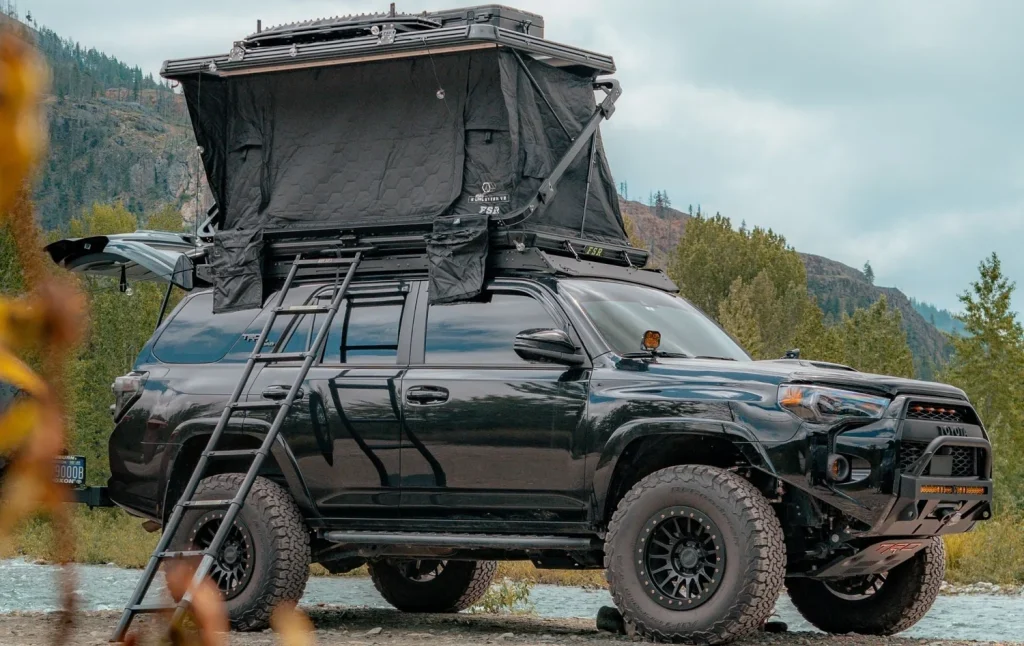
A roof-top tent vehicle rental for Bwindi National Park gives adventurous travelers one of the most flexible ways to experience southwestern Uganda. Instead of following a fixed safari schedule or moving from lodge to lodge every night, travelers can combine transportation, accommodation, and the freedom of a Uganda road trip in one capable 4×4 vehicle. Bwindi Impenetrable National Park is unlike Uganda’s open savannah destinations. The journey takes you into a landscape of steep hills, winding roads, cultivated valleys, mist-covered mountains, dense rainforest and remote rural communities. For travelers heading there independently, choosing the correct vehicle is therefore an important part of planning the safari. A well-equipped Toyota Land Cruiser or similar 4WD with a roof-top tent provides the ground clearance needed for rural roads while giving travelers a comfortable elevated sleeping space at approved campsites. It is particularly attractive to couples, photographers, overland travelers and visitors combining Bwindi with Queen Elizabeth National Park, Lake Mburo National Park, Mgahinga Gorilla National Park, Lake Bunyonyi, Kibale National Park or Rwanda. Uganda Wildlife Authority identifies Bwindi as one of Uganda’s principal mountain gorilla trekking destinations and divides trekking operations between the Buhoma, Ruhija, Rushaga and Nkuringo areas. This makes route planning especially important because your gorilla permit is connected to a particular trekking location. A traveler staying near Buhoma cannot simply assume that a permit issued for Rushaga will provide a convenient morning departure. This comprehensive guide explains how roof-top tent vehicle rental for Bwindi National Park works, what type of 4×4 to choose, how to reach the different sectors, what to expect from Uganda’s roads, how to plan a camping safari and how to combine gorilla trekking with a longer East African self-drive adventure. Why Choose a Roof-Top Tent Vehicle Rental for Bwindi National Park? The biggest advantage of renting a rooftop-equipped safari vehicle is independence. Traditional safaris normally separate your transportation and accommodation. You have a safari vehicle during the day and a hotel, lodge or tented camp at night. A rooftop tent vehicle combines the two. When you reach an established campsite, you park the vehicle, unfold the tent, arrange your sleeping space and settle in for the evening. The following morning, you pack the tent back onto the roof and continue your journey. For visitors traveling through Uganda for one or two weeks, this can create an enjoyable overland experience. It also gives you greater freedom to design a route around your interests rather than around a sequence of hotel reservations. Bwindi is particularly well suited to adventurous road travelers because the forest can form part of a much larger southwestern Uganda circuit. For example, travelers can drive from Entebbe or Kampala to Lake Mburo National Park, continue toward Bwindi, visit Queen Elizabeth National Park and then travel north toward Kibale Forest. Another option is to start in Kigali, Rwanda, cross into southwestern Uganda and visit Bwindi or Mgahinga before continuing deeper into Uganda. A 4×4 with rooftop tent in Uganda therefore becomes much more than transportation. It becomes the foundation of the entire safari. Understanding Bwindi Impenetrable National Park Before choosing a vehicle or route, it helps to understand the geography of Bwindi. Bwindi Impenetrable National Park lies in southwestern Uganda near the border with the Democratic Republic of Congo and not far from Rwanda. UNESCO describes the protected area as approximately 32,000 hectares at the junction of lowland and mountain forest. It contains exceptional biological diversity, including numerous tree, fern, bird, butterfly and mammal species. The park became a UNESCO World Heritage Site in 1994. For most international travelers, however, Bwindi is best known as one of the world’s most important destinations for seeing mountain gorillas. Unlike a traditional safari park where visitors spend much of the day driving through open plains, gorilla trekking involves leaving the vehicle and entering the forest on foot with park guides and trackers. Your rental vehicle gets you to the correct trailhead and provides transportation before and after the trek. It does not drive through the gorilla trekking forest itself. The surrounding terrain is mountainous, however, and some access roads can become rough, muddy or slippery after rain. That is one reason a high-clearance 4WD is much more appropriate than a normal city car. Bwindi’s Four Gorilla Trekking Sectors One of the most important things to understand when planning a self-drive trip is that Bwindi does not have one single gorilla trekking entrance. Uganda Wildlife Authority identifies four principal trekking sectors: Buhoma, Ruhija, Rushaga and Nkuringo. These locations are spread around different sides of the forest. That matters because driving between sectors may involve winding mountain roads and considerably more travel time than the straight-line distance on a map suggests. Buhoma Sector Buhoma lies on the northern side of Bwindi and is one of the best-known tourism areas around the national park. It has a long history of gorilla tourism and offers a good range of accommodation, community experiences and access to nearby destinations. Buhoma can work particularly well for travelers approaching Bwindi from the Ishasha sector of Queen Elizabeth National Park. This makes it attractive for a Uganda self-drive itinerary combining tree-climbing-lion country with gorilla trekking. Travelers using a roof-top tent vehicle rental for Bwindi National Park should confirm an appropriate campsite before arrival rather than assuming that camping is permitted anywhere near the park. Ruhija Sector Ruhija is on the eastern side of the forest. The area is mountainous and particularly attractive for visitors interested in birding, forest landscapes and quieter surroundings. Road conditions can change considerably with rainfall, so a reliable 4WD provides valuable additional confidence. Ruhija can also work conveniently in itineraries approaching from Kabale or continuing toward Queen Elizabeth National Park, depending on the exact route. Rushaga Sector Rushaga is located in southern Bwindi and is one of the important gorilla trekking areas for travelers approaching from Kisoro and Rwanda. For visitors driving from Kigali, the southern side of Bwindi can be particularly practical depending on the border crossing, road condition, immigration formalities and…