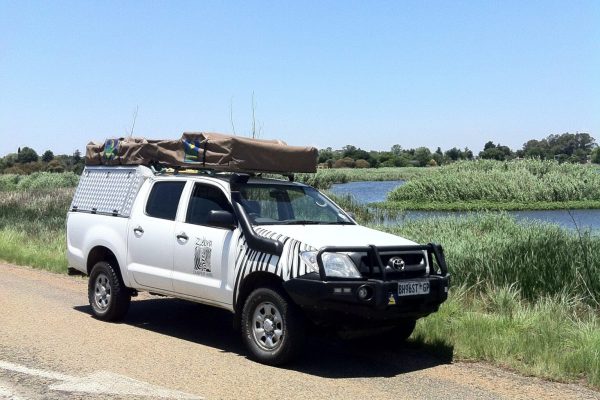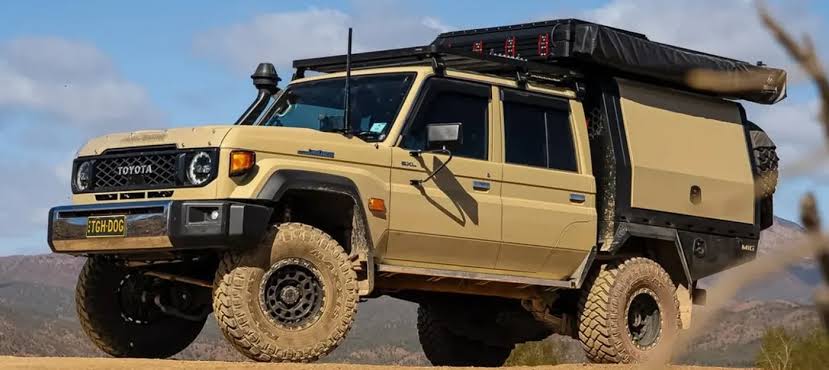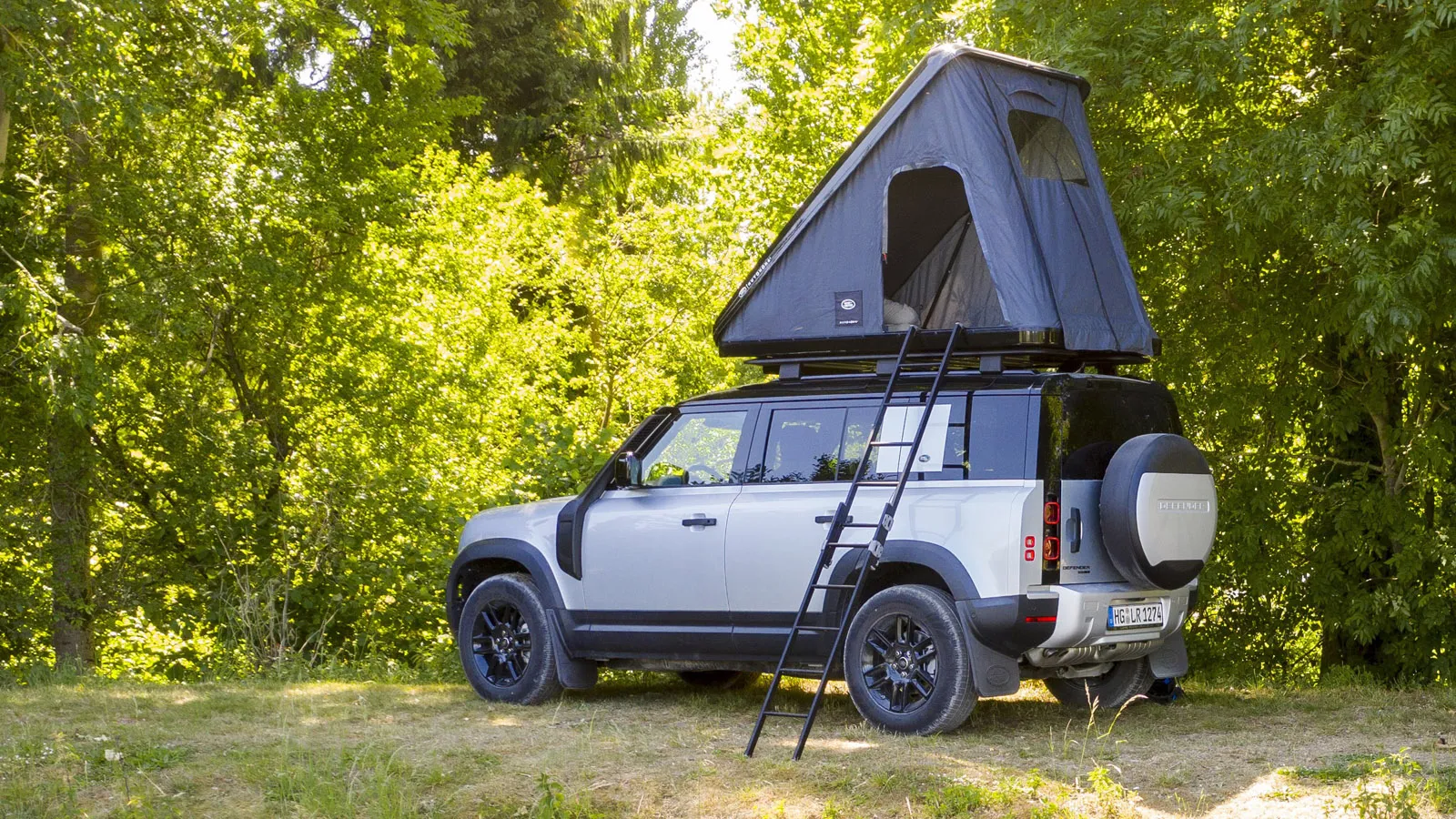
Rooftop Tent Hire Kenya gives independent travelers an affordable and flexible way to combine a…
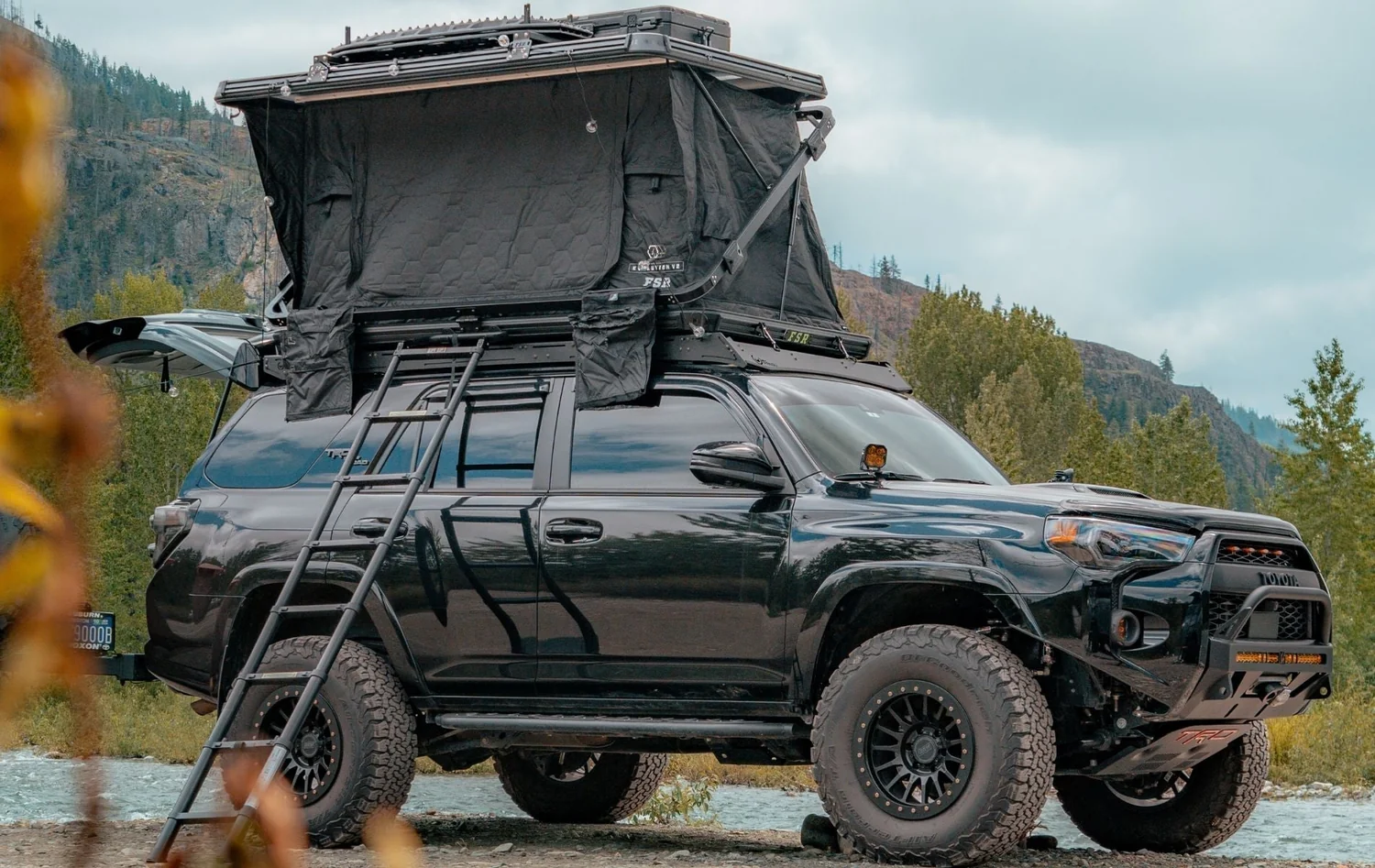
Roof-top tent vehicle rental for Bwindi National Park
A roof-top tent vehicle rental for Bwindi National Park gives adventurous travelers one of the most flexible ways to experience southwestern Uganda. Instead of following a fixed safari schedule or moving from lodge to lodge every night, travelers can combine transportation, accommodation, and the freedom of a Uganda road trip in one capable 4×4 vehicle.
Bwindi Impenetrable National Park is unlike Uganda’s open savannah destinations. The journey takes you into a landscape of steep hills, winding roads, cultivated valleys, mist-covered mountains, dense rainforest and remote rural communities. For travelers heading there independently, choosing the correct vehicle is therefore an important part of planning the safari.
A well-equipped Toyota Land Cruiser or similar 4WD with a roof-top tent provides the ground clearance needed for rural roads while giving travelers a comfortable elevated sleeping space at approved campsites. It is particularly attractive to couples, photographers, overland travelers and visitors combining Bwindi with Queen Elizabeth National Park, Lake Mburo National Park, Mgahinga Gorilla National Park, Lake Bunyonyi, Kibale National Park or Rwanda.
Uganda Wildlife Authority identifies Bwindi as one of Uganda’s principal mountain gorilla trekking destinations and divides trekking operations between the Buhoma, Ruhija, Rushaga and Nkuringo areas. This makes route planning especially important because your gorilla permit is connected to a particular trekking location. A traveler staying near Buhoma cannot simply assume that a permit issued for Rushaga will provide a convenient morning departure.
This comprehensive guide explains how roof-top tent vehicle rental for Bwindi National Park works, what type of 4×4 to choose, how to reach the different sectors, what to expect from Uganda’s roads, how to plan a camping safari and how to combine gorilla trekking with a longer East African self-drive adventure.
Why Choose a Roof-Top Tent Vehicle Rental for Bwindi National Park?
The biggest advantage of renting a rooftop-equipped safari vehicle is independence.
Traditional safaris normally separate your transportation and accommodation. You have a safari vehicle during the day and a hotel, lodge or tented camp at night. A rooftop tent vehicle combines the two.
When you reach an established campsite, you park the vehicle, unfold the tent, arrange your sleeping space and settle in for the evening. The following morning, you pack the tent back onto the roof and continue your journey.
For visitors traveling through Uganda for one or two weeks, this can create an enjoyable overland experience.
It also gives you greater freedom to design a route around your interests rather than around a sequence of hotel reservations.
Bwindi is particularly well suited to adventurous road travelers because the forest can form part of a much larger southwestern Uganda circuit.
For example, travelers can drive from Entebbe or Kampala to Lake Mburo National Park, continue toward Bwindi, visit Queen Elizabeth National Park and then travel north toward Kibale Forest.
Another option is to start in Kigali, Rwanda, cross into southwestern Uganda and visit Bwindi or Mgahinga before continuing deeper into Uganda.
A 4×4 with rooftop tent in Uganda therefore becomes much more than transportation. It becomes the foundation of the entire safari.
Understanding Bwindi Impenetrable National Park
Before choosing a vehicle or route, it helps to understand the geography of Bwindi.
Bwindi Impenetrable National Park lies in southwestern Uganda near the border with the Democratic Republic of Congo and not far from Rwanda.
UNESCO describes the protected area as approximately 32,000 hectares at the junction of lowland and mountain forest. It contains exceptional biological diversity, including numerous tree, fern, bird, butterfly and mammal species.
The park became a UNESCO World Heritage Site in 1994.
For most international travelers, however, Bwindi is best known as one of the world’s most important destinations for seeing mountain gorillas.
Unlike a traditional safari park where visitors spend much of the day driving through open plains, gorilla trekking involves leaving the vehicle and entering the forest on foot with park guides and trackers.
Your rental vehicle gets you to the correct trailhead and provides transportation before and after the trek. It does not drive through the gorilla trekking forest itself.
The surrounding terrain is mountainous, however, and some access roads can become rough, muddy or slippery after rain.
That is one reason a high-clearance 4WD is much more appropriate than a normal city car.
Bwindi’s Four Gorilla Trekking Sectors
One of the most important things to understand when planning a self-drive trip is that Bwindi does not have one single gorilla trekking entrance.
Uganda Wildlife Authority identifies four principal trekking sectors: Buhoma, Ruhija, Rushaga and Nkuringo.
These locations are spread around different sides of the forest.
That matters because driving between sectors may involve winding mountain roads and considerably more travel time than the straight-line distance on a map suggests.
Buhoma Sector
Buhoma lies on the northern side of Bwindi and is one of the best-known tourism areas around the national park.
It has a long history of gorilla tourism and offers a good range of accommodation, community experiences and access to nearby destinations.
Buhoma can work particularly well for travelers approaching Bwindi from the Ishasha sector of Queen Elizabeth National Park.
This makes it attractive for a Uganda self-drive itinerary combining tree-climbing-lion country with gorilla trekking.
Travelers using a roof-top tent vehicle rental for Bwindi National Park should confirm an appropriate campsite before arrival rather than assuming that camping is permitted anywhere near the park.
Ruhija Sector
Ruhija is on the eastern side of the forest.
The area is mountainous and particularly attractive for visitors interested in birding, forest landscapes and quieter surroundings.
Road conditions can change considerably with rainfall, so a reliable 4WD provides valuable additional confidence.
Ruhija can also work conveniently in itineraries approaching from Kabale or continuing toward Queen Elizabeth National Park, depending on the exact route.
Rushaga Sector
Rushaga is located in southern Bwindi and is one of the important gorilla trekking areas for travelers approaching from Kisoro and Rwanda.
For visitors driving from Kigali, the southern side of Bwindi can be particularly practical depending on the border crossing, road condition, immigration formalities and permit location.
Rushaga also has a growing range of accommodation and camping possibilities in the surrounding area.
Nkuringo Sector
Nkuringo is another southern Bwindi trekking area.
It is famous for beautiful mountain scenery and dramatic views across southwestern Uganda.
The roads around Nkuringo can include steep, winding sections, making a suitable 4×4 especially valuable.
Drivers unfamiliar with mountain roads should travel cautiously, allow generous time and avoid planning unnecessary night driving.
Match Your Gorilla Permit to Your Bwindi Sector
This deserves special emphasis.
Do not rent a vehicle, reserve a campsite and book several nights in one part of Bwindi before confirming where your gorilla trek will begin.
Your itinerary should normally be built around your gorilla permit.
If your permit is for Rushaga, plan to stay near Rushaga.
If it is for Nkuringo, position yourself near Nkuringo.
The same principle applies to Buhoma and Ruhija.
Arriving at the wrong side of the forest on the evening before trekking can create unnecessary stress and may require a very early transfer over difficult roads.
Gorilla trekking is usually the most important and expensive activity in a Bwindi itinerary, so everything else should support a smooth arrival at the correct briefing point.
Uganda Wildlife Authority also advises travelers to arrange gorilla permits in advance.
Best Vehicle for a Bwindi Roof-Top Tent Safari
Not every vehicle that can carry a tent is suitable for Bwindi.
The ideal vehicle should combine reliable four-wheel drive, good ground clearance, strong suspension, suitable tires, sufficient luggage space and a professionally installed roof rack.
Comfort also matters because Uganda safari journeys can involve several hours of driving.
Toyota Land Cruiser Prado
The Toyota Land Cruiser Prado is one of the most common choices for a Bwindi self-drive safari.
It offers a useful balance between comfort and off-road capability.
Depending on configuration, a Prado can be fitted with a rooftop tent suitable for two travelers.
It can work particularly well for couples who want a comfortable vehicle for a Uganda road trip but do not need the size of a larger expedition Land Cruiser.
Automatic versions are also widely available, which can make long road journeys easier for travelers unfamiliar with manual transmission.
Toyota Land Cruiser 76 Series
The Land Cruiser 76 is a popular choice for travelers who prioritize durability and off-road performance.
Its strong chassis, high clearance and practical interior make it well suited to longer overland trips.
With a properly installed roof-top tent and camping kit, it becomes a capable mobile base for visiting Bwindi and other remote destinations.
This type of vehicle can be particularly attractive to travelers planning longer circuits that include rougher destinations beyond southwestern Uganda.
Toyota Land Cruiser 78 Series
The Land Cruiser 78 or similar hardtop expedition vehicle is often chosen for longer self-drive safaris.
It normally provides generous storage and can support one or multiple tent configurations depending on the setup.
For two travelers carrying food, water, camping furniture, luggage and cooking equipment, that additional storage can be valuable.
Toyota Hilux Double Cab
A Toyota Hilux can also work well as a rooftop tent safari vehicle.
Its pickup design provides excellent separation between passenger space and camping equipment.
The rear section can carry food boxes, water containers, cooking equipment, chairs, recovery gear and other supplies.
For travelers planning a rugged Uganda overland journey, a Hilux can be a practical alternative to a Land Cruiser.
Can You Use a Toyota RAV4 for Bwindi?
A Toyota RAV4 is frequently used for self-drive tourism in Uganda, but travelers should examine the exact vehicle, season and route carefully.
A capable RAV4 may handle many roads leading toward Bwindi during favorable conditions.
However, for a dedicated rooftop camping safari, a Land Cruiser or similarly robust 4WD usually offers advantages in ground clearance, roof load capacity, luggage space and difficult-road capability.
Some rental fleets offer RAV4s with ground tents rather than rooftop tents because of vehicle configuration and roof-load considerations. Current Uganda rental operators commonly reserve larger rooftop setups for Land Cruiser and Hilux models.
For Bwindi specifically, reliability should usually take priority over choosing the cheapest possible vehicle.
What Should Be Included With a Roof-Top Tent Rental?
When comparing rental prices, do not compare only the daily vehicle rate.
Two rental companies quoting similar prices may be offering very different equipment packages.
A properly equipped camping vehicle may include a roof-top tent, mattress, bedding or sleeping equipment, table, chairs, cooking stove, gas cylinder, cookware, plates, cups, cutlery, water containers, refrigerator or cool box and basic recovery equipment.
Some companies include these items automatically.
Others charge separately.
Therefore, ask for a complete written list before paying.
A refrigerator can be especially useful during longer Uganda road trips because it makes food storage easier.
Travelers should also check whether the vehicle includes a spare tire, jack, wheel spanner, warning triangle and basic recovery equipment.
For remote journeys, two spare tires can provide additional reassurance depending on the route.
How Does a Roof-Top Tent Work?
Modern rooftop tents are designed to be relatively quick to open and close.
The folded tent sits on a roof rack while the vehicle is moving.
At camp, travelers remove the protective cover, unfold the tent and lower the ladder.
The ladder normally supports access to the sleeping platform.
Inside, there is usually a mattress and windows with mosquito screening.
The elevated design helps keep the sleeping area away from wet ground and mud.
It also creates a distinct safari atmosphere.
However, a rooftop tent is still camping.
You will hear rain, insects, birds, wind and sounds from the surrounding environment.
For many people, that is exactly why the experience is so memorable.
Roof-Top Tent Camping Versus Lodge Accommodation in Bwindi
Both options can provide an excellent safari.
The better choice depends on the traveler.
Lodges offer private bathrooms, prepared meals, permanent rooms and staff support.
Camping offers freedom, adventure and a stronger sense of independence.
Roof-top camping can also help travelers control accommodation costs during a longer road trip.
However, travelers should avoid viewing it only as a way to save money.
A properly equipped Land Cruiser with insurance and camping equipment can itself represent a significant daily expense.
Campsite fees, food, fuel, permits and park activities must also be considered.
The real value is the combination of transportation and flexible accommodation.
How Much Does a Roof-Top Tent Vehicle Rental in Uganda Cost?
There is no single universal price.
Current online rental offers show substantial differences according to vehicle model, tent configuration and rental company. Some operators advertise rooftop-equipped Land Cruisers from around US$100–US$140 per day, while larger or newer configurations can be higher.
Treat online rates as indicative rather than guaranteed.
Your final quotation may depend on the rental period, pickup city, drop-off city, season, number of travelers, vehicle model, transmission, camping equipment, insurance terms and whether the vehicle crosses an international border.
Longer rentals may qualify for a lower daily rate.
One-way rentals may include relocation charges.
Cross-border rentals can also involve additional documentation and insurance requirements.
The safest approach is to request a detailed quotation for your exact itinerary.
Why Cheap Car Rental Is Not Always the Best Value
A low daily rate may look attractive during online research.
However, saving a small amount each day is not worthwhile if the vehicle has poor tires, unreliable mechanical maintenance or inadequate roadside support.
Bwindi is not the place where you want to discover that your rental vehicle has an old battery, worn tires or a damaged 4WD system.
Ask about vehicle maintenance before booking.
Find out who provides assistance if the vehicle develops a mechanical problem.
Ask whether replacement vehicles can be arranged.
Check what the insurance covers and what it excludes.
Read the rental agreement carefully.
An inexpensive vehicle with weak support can become much more costly if something goes wrong in a remote area.
Self-Drive or Driver-Guide for Bwindi?
A roof-top tent does not automatically mean you must drive yourself.
Some operators offer camping-equipped vehicles with professional driver-guides.
Self-drive provides maximum independence.
It works well for experienced international drivers who are comfortable with left-side driving, mountain roads and changing road surfaces.
A driver-guide can be more relaxing.
You can enjoy the scenery, avoid navigation stress and benefit from local route knowledge.
This may be particularly valuable during the rainy season or for travelers with limited experience driving in Africa.
A third possibility is a mixed arrangement.
For example, travelers may self-drive most of Uganda but arrange local guidance or assistance for specific difficult sections.
Is a 4×4 Necessary for Bwindi National Park?
A 4×4 is strongly recommended for a self-drive Bwindi trip.
Some major approach roads are improved and conditions continue to change, but the final sections around the forest can involve steep gradients and unpaved surfaces.
Rain can transform an otherwise manageable road.
Mud, erosion and slippery slopes can develop quickly.
A good 4WD does not make a driver invincible, but it provides greater traction and capability.
Ground clearance is equally important.
Deep ruts and uneven road surfaces can cause problems for low vehicles.
For travelers renting specifically for Bwindi, a capable 4WD should be considered part of good trip preparation rather than an unnecessary luxury.
Driving to Bwindi from Entebbe
Many Uganda self-drive safaris begin at Entebbe International Airport.
From Entebbe, travelers normally pass through or around Kampala and continue southwest.
The journey to Bwindi is long enough that many visitors prefer to break it into stages.
Lake Mburo National Park is one of the most logical intermediate destinations.
A traveler can collect the rental vehicle in Entebbe, drive toward Lake Mburo, camp there, enjoy wildlife activities and continue toward Bwindi the following day.
This creates a much more enjoyable start than attempting to cover a very long distance immediately after an international flight.
Another possibility is an overnight stop around Mbarara before continuing south.
The best choice depends on your arrival time and overall safari length.
Driving from Kampala to Bwindi
Kampala is another common starting point.
The road journey passes through southwestern Uganda and provides an excellent introduction to the countryside.
Allow a full travel day rather than planning the journey too tightly.
Traffic, roadworks, meal stops and weather can all influence timing.
Starting early is generally wise.
Avoid planning your first gorilla trek for the morning immediately after an excessively ambitious driving day.
A relaxed arrival near the trekking sector is far better.
Roof-Top Tent Vehicle Rental from Kigali to Bwindi
For travelers already visiting Rwanda, Kigali can be an efficient gateway to southern Bwindi.
Current route guides commonly estimate Kigali-to-Bwindi journeys at roughly four to five hours depending on the exact sector, border crossing, road conditions and immigration time.
The key issue is cross-border authorization.
A Rwanda-registered rental vehicle should not simply be driven into Uganda without prior approval.
Your rental company needs to confirm that cross-border travel is permitted and provide the appropriate vehicle documents.
Insurance must also be valid for Uganda.
Border requirements can change, so travelers should confirm documentation shortly before travel.
The Kigali route is particularly attractive for travelers combining Volcanoes National Park in Rwanda with Bwindi or Mgahinga in Uganda.
Kigali to Rushaga by 4×4
Rushaga is one of the southern Bwindi sectors and can be convenient for travelers approaching from Rwanda.
Depending on the planned border crossing, the route can pass through the dramatic landscapes of northern Rwanda and southwestern Uganda.
The drive is part of the experience.
Allow time for immigration and road conditions.
Do not calculate travel time solely from online mapping software.
Mountain roads, village traffic and weather can change the real journey considerably.
Kigali to Nkuringo by Self-Drive Vehicle
Nkuringo can also work naturally within a Rwanda-Uganda itinerary.
The final approach includes beautiful highland scenery.
Again, a high-clearance 4WD is preferable.
When traveling during rainy periods, seek an updated road-condition report from your rental operator or accommodation provider.
Local conditions can be more useful than generic online estimates.
Driving Between Bwindi and Queen Elizabeth National Park
One of Uganda’s most rewarding self-drive combinations is Bwindi plus Queen Elizabeth National Park.
Travelers staying around Buhoma can continue toward the Ishasha sector of Queen Elizabeth National Park.
Ishasha is famous for its wilderness character and is widely associated with tree-climbing lions.
From there, travelers can continue north toward the Mweya Peninsula and Kazinga Channel.
This route creates a satisfying transition from rainforest primates to classic savannah wildlife.
A rooftop tent vehicle works particularly well because the same vehicle handles the mountainous roads around Bwindi and the safari tracks of Queen Elizabeth National Park.
Bwindi and Lake Bunyonyi Self-Drive Safari
Lake Bunyonyi makes an excellent addition to a Bwindi road trip.
The lake lies among terraced hills near Kabale and is known for its islands and attractive highland scenery.
After a demanding gorilla trek, spending a relaxing night or two around Lake Bunyonyi can provide a welcome change of pace.
Travelers can enjoy boat trips, canoeing, village visits or simply rest.
The combination works especially well for visitors using southern Bwindi sectors.
Bwindi and Mgahinga Gorilla National Park
Bwindi is not Uganda’s only mountain gorilla destination.
Uganda Wildlife Authority also conducts gorilla trekking in Mgahinga Gorilla National Park.
Mgahinga lies in the Virunga Mountains near Kisoro.
Travelers interested in primates can combine Bwindi gorilla trekking with Mgahinga, golden monkey tracking or volcano hiking.
A rooftop tent Land Cruiser provides useful flexibility for such a southwestern Uganda circuit.
Rather than racing between distant destinations, consider spending several nights in the region.
The mountain scenery alone deserves time.
Combining Bwindi with Lake Mburo National Park
Lake Mburo is strategically located on the route between central Uganda and the southwest.
This makes it a natural stop for self-drive travelers.
Unlike Bwindi, Lake Mburo offers open savannah landscapes where visitors can search for zebra, impala and other wildlife.
The contrast is valuable.
One day you may be driving through open grassland.
A few days later, you may be hiking through one of Africa’s most biologically important forests.
That diversity is one of Uganda’s greatest strengths as a road-trip destination.
Combining Bwindi with Kibale National Park
Travelers who have enough time can continue from Bwindi or Queen Elizabeth toward Kibale National Park.
Kibale is internationally known for chimpanzee tracking.
A longer itinerary can therefore combine mountain gorillas in Bwindi with chimpanzees in Kibale.
This is one of the strongest primate-focused road trips in East Africa.
Allow enough days.
A self-drive safari should not become a race from one attraction to another.
Slow travel gives you time to enjoy crater lakes, villages, roadside landscapes and smaller experiences between the headline national parks.
Best Time for a Bwindi Self-Drive Camping Safari
Bwindi can be visited throughout the year, but weather affects both trekking and driving.
The relatively drier periods are popular because forest trails and rural roads may be easier to negotiate.
However, Bwindi is a tropical rainforest and rain can occur at any time.
Even during a generally dry period, travelers should prepare for wet conditions.
During wetter months, the landscape becomes intensely green.
Clouds and mist can create dramatic forest scenery.
The trade-off is that roads and trekking trails may become muddier.
For self-drive travelers, good tires and functional four-wheel drive become particularly important.
Rainy-Season Driving Around Bwindi
Rain should change how you drive.
Slow down.
Leave a greater distance between vehicles.
Avoid sudden braking on muddy roads.
Engage four-wheel drive when appropriate according to the vehicle’s operating instructions.
Do not drive into deep mud or water without understanding the depth and road surface.
If conditions appear unsafe, ask local drivers before continuing.
A 4×4 gives you capability, but sensible decision-making matters more than mechanical confidence.
The objective is not to prove how difficult a road your vehicle can conquer.
The objective is to arrive safely.
Avoid Driving at Night
Planning driving hours carefully is one of the simplest ways to improve a Uganda self-drive safari.
Whenever possible, reach your campsite or accommodation before darkness.
Night driving introduces additional risks.
Road markings can be limited in rural areas, pedestrians may be difficult to see, animals can cross unexpectedly and identifying potholes becomes harder.
Mountain roads around Bwindi add another layer of complexity.
Start early and arrive early.
This also gives you enough daylight to set up your roof-top tent comfortably.
Camping Near Bwindi National Park
A roof-top tent does not mean you can park anywhere and sleep.
Use recognized campsites or accommodation properties that formally permit camping.
Confirm arrangements ahead of time, especially in busy gorilla trekking periods.
Facilities differ considerably.
Some campsites provide showers, toilets, restaurant access, electricity or water.
Others are more basic.
Ask exactly what is available.
Knowing whether you have access to a shower, charging point, drinking water or prepared meals affects how much equipment and food you need to carry.
Do Not Wild Camp Inside Bwindi
Bwindi is a protected rainforest containing sensitive wildlife.
Camping should only take place where officially permitted.
Do not drive down an unmarked track, park beside the forest and establish your own campsite.
Follow park regulations and local instructions.
Responsible travel protects both visitors and wildlife.
It also supports the communities and tourism businesses that help make gorilla conservation economically sustainable.
UNESCO specifically notes the importance of tourism and community benefits to the long-term conservation of Bwindi.
Food on a Roof-Top Tent Safari
Food planning can be as simple or elaborate as you want.
Many self-drive travelers prepare breakfast at camp, carry picnic ingredients for lunch and cook dinner in the evening.
Others alternate camping meals with restaurants and lodge meals.
That hybrid approach can work particularly well around Bwindi.
After a long gorilla trek, you may prefer to order a hot prepared meal rather than cook beside the vehicle.
Stock up on essential supplies in larger towns rather than relying entirely on small shops near remote areas.
Carry enough safe drinking water.
A refrigerator or quality cool box is extremely useful for longer journeys.
Water and Fuel Planning
Never allow the fuel tank to become unnecessarily low in remote areas.
Fill up when convenient rather than waiting until the warning light appears.
Fuel availability is generally good in established towns, but your route may include long rural sections.
The same principle applies to drinking water.
Carry more than you expect to use.
Water is needed for drinking, basic cooking and camp tasks.
A dedicated water container makes life much easier than relying exclusively on small plastic bottles.
Gorilla Trekking From a Roof-Top Tent Camp
The night before trekking, organize everything you need.
Pack hiking boots, long trousers, rain protection, drinking water, lunch if required, gloves and a small daypack.
Check your permit documentation and passport requirements.
Know the location of your briefing point.
Set an alarm with enough time to have breakfast, close the rooftop tent and drive safely to the park office.
Uganda Wildlife Authority states that gorilla treks can last several hours depending on where the gorillas are located.
Therefore, do not plan a demanding long-distance drive immediately after trekking.
Allow the gorilla experience to be the focus of the day.
What to Wear for Gorilla Trekking
Bwindi is humid, mountainous and densely vegetated.
Good hiking shoes or boots are important.
Long trousers protect your legs from vegetation.
A lightweight long-sleeved shirt can also help.
Carry a rain jacket even when the morning looks clear.
Gardening-style gloves are popular because trekkers sometimes need to steady themselves on branches or vegetation.
Gaiters can be useful in muddy conditions.
Comfort and practicality matter much more than appearance.
Consider Hiring a Porter
Porters can provide valuable assistance during gorilla trekking.
They can carry a daypack and help trekkers negotiate steep or slippery sections.
Using a porter also supports local livelihoods.
Even reasonably fit travelers may appreciate the assistance.
The terrain and duration of a trek are not always predictable.
Conserving energy allows you to concentrate on the experience rather than becoming exhausted carrying unnecessary weight.
Preparing Your Vehicle Before Leaving the Rental Office
Do not leave immediately after receiving the keys.
Spend time inspecting the vehicle.
Check the tires.
Confirm the spare wheel.
Test the headlights, indicators, brake lights, air conditioning and windscreen wipers.
Learn how to engage four-wheel drive.
Ask how to change a tire.
Open the rooftop tent once while a staff member is present.
Learn how the ladder works.
Check how the tent closes and where the cover attaches.
Test the refrigerator and camping lights.
Count important camping items.
A fifteen-minute demonstration at the rental office can prevent major frustration at a campsite after dark.
Check the Rental Insurance Carefully
Insurance terms vary.
Do not assume that the phrase “fully insured” means every possible incident is covered.
Ask about tire damage, windscreens, underbody damage, rooftop equipment, single-vehicle accidents, water damage and negligent off-road driving.
Clarify the excess or deductible.
Ask whether travel on specific roads is restricted.
If crossing into Rwanda or another neighboring country, obtain written confirmation that your insurance remains valid.
Keep emergency contact details accessible both online and offline.
Navigation for a Bwindi Self-Drive Safari
Google Maps and similar navigation applications are useful, but they should not be treated as the only source of truth.
Mountainous destinations can have multiple tracks, seasonal diversions and roads whose condition changes quickly.
Download offline maps before leaving areas with reliable internet.
Ask the rental company for recommended routes.
Confirm the final approach with your campsite or lodge.
When local advice contradicts an app, investigate before continuing.
The fastest-looking route on a screen is not necessarily the safest road for a rental vehicle.
Mobile Internet and Communication
Mobile coverage is available in many communities around southwestern Uganda but should not be assumed everywhere.
Carry a charged phone.
A local SIM or suitable international roaming plan can be useful.
A power bank provides backup.
Vehicles equipped with USB or 12-volt charging points make it easier to keep phones, cameras and navigation devices powered.
Before entering remote areas, send your expected route to the rental company or another trusted contact.
Photography Equipment and Roof-Top Camping
Bwindi is a fantastic destination for photographers, but rainforest photography creates special challenges.
Humidity can affect equipment.
Protect cameras from rain.
Carry dry bags or waterproof covers.
Pack spare batteries because charging opportunities may vary between campsites.
A rooftop tent vehicle provides useful secure storage, but expensive equipment should be packed discreetly.
For gorilla photography, avoid carrying more gear than you can comfortably manage on a steep hike.
A versatile lens is often more practical than constantly changing heavy equipment in wet forest conditions.
Luggage for a Roof-Top Tent Safari
Soft luggage usually works better than large hard suitcases.
It is easier to fit into a vehicle loaded with camping equipment.
Packing cubes can help organize clothes.
Keep frequently used items accessible.
You do not want to unpack the entire vehicle every time you need a rain jacket.
Separate sleeping equipment, cooking equipment, food, personal luggage and recovery gear into logical sections.
A tidy vehicle saves time every day.
Roof-Top Tent Camping for Couples
Couples are particularly well suited to rooftop camping.
A single tent usually provides enough sleeping space for two adults, while a Land Cruiser offers sufficient storage for luggage and equipment.
Tasks can also be divided easily.
One traveler can prepare food while the other sets up camp.
For honeymooners who enjoy adventure, a self-drive rooftop safari can provide a very different experience from a luxury lodge itinerary.
It is less polished but more independent.
Some travelers combine both styles by camping on certain nights and booking comfortable lodges on others.
Roof-Top Tent Rental for Families
Families need more careful planning.
One standard rooftop tent is generally designed for approximately two adults, although specific dimensions differ.
Families may therefore need two tents, a larger family configuration or a combination of rooftop and ground tents.
Vehicle payload and roof-load limits must be respected.
Do not simply attach extra tents to a vehicle that was not designed to carry them.
Discuss the ages of children, luggage quantity and sleeping arrangements with the rental company before booking.
Also remember that gorilla trekking has eligibility rules, so verify current age requirements before designing a family itinerary around gorilla permits.
Roof-Top Tent Rental for Four Travelers
Four adults generally require a larger setup.
A Land Cruiser hardtop or similar expedition vehicle may be more suitable than a Prado because you need space for four passengers, luggage, water and camping gear.
Two rooftop tents can work on vehicles specifically designed for that configuration.
Alternatively, two travelers may use a roof tent and two a ground tent.
The correct choice depends on comfort expectations and the specific vehicle.
Do not prioritize the cheapest arrangement if it leaves the vehicle dangerously overloaded.
Manual Versus Automatic 4×4
Both can work.
Automatic vehicles are often more comfortable for travelers who are unfamiliar with local roads.
They reduce workload in traffic and on long driving days.
Manual Land Cruisers remain popular for serious overland trips because they are robust and provide good driver control.
Choose the transmission you already drive confidently.
A safari is not the ideal place to learn manual driving while simultaneously adjusting to unfamiliar roads and left-side traffic.
Fuel Economy and Safari Vehicle Choice
Large 4×4 vehicles consume more fuel than small SUVs.
That should be included in your trip budget.
A diesel Land Cruiser may offer a different fuel profile from a petrol Prado or V8.
Ask the rental company for a realistic consumption estimate for the exact vehicle rather than relying on generic internet figures.
Actual consumption varies with load, terrain, road conditions, speed and driving style.
Carrying rooftop equipment can also affect aerodynamics.
Common Mistakes When Renting a Roof-Top Tent Vehicle for Bwindi
The first common mistake is booking a vehicle before knowing the gorilla trekking sector.
The second is choosing the cheapest car rather than the most suitable one.
Another frequent mistake is underestimating travel time.
Uganda is a beautiful country to drive through, but distance on a map does not tell the whole story.
Mountain roads, roadworks, rain, border formalities and stops all add time.
Some travelers also schedule too many destinations.
Trying to combine Bwindi, Queen Elizabeth, Kibale, Murchison Falls, Kidepo and Rwanda in a very short holiday turns an adventure into a continuous driving marathon.
A good self-drive itinerary includes time to stop.
Sample 5-Day Roof-Top Tent Bwindi Safari From Kigali
A short Rwanda-Uganda circuit can begin with vehicle collection in Kigali.
On the first day, travel from Kigali toward southwestern Uganda, complete border formalities and continue to the campsite near the confirmed Bwindi trekking sector.
The second day can be dedicated to gorilla trekking.
After trekking, return to camp and rest.
On day three, explore the surrounding community or continue toward Lake Bunyonyi.
Day four can be spent around Lake Bunyonyi, Kisoro or another southwestern Uganda destination.
On day five, drive back toward Kigali.
This itinerary is intentionally simple.
It avoids making travelers rush immediately after the gorilla trek.
Sample 7-Day Uganda Self-Drive Safari
A seven-day journey can begin in Entebbe and travel toward Lake Mburo National Park.
Spend the first safari night camping around Lake Mburo.
Continue toward Bwindi the following day and settle near your trekking sector.
Day three can be dedicated to gorilla trekking.
Use day four for a relaxed departure toward Queen Elizabeth National Park.
Spend days five and six exploring the park, including game drives or a boat safari depending on your interests.
Return toward Entebbe on day seven or add an overnight stop if your international flight schedule permits.
Sample 10-Day Uganda Rooftop Tent Adventure
Ten days provides much more breathing room.
Start with Lake Mburo before continuing to Bwindi.
Spend two or three nights in the Bwindi region, including the gorilla trek.
Continue to Ishasha and then northern Queen Elizabeth National Park.
From Queen Elizabeth, drive toward Kibale.
Spend time exploring the Fort Portal and Kibale area before returning toward Entebbe.
This route creates an excellent blend of gorillas, chimpanzees, savannah wildlife, highland scenery and overland adventure.
A Two-Week Uganda Self-Drive Safari
Two weeks gives travelers enough time to enjoy the journey rather than simply collecting destinations.
A route might include Lake Mburo, Bwindi, Queen Elizabeth, Kibale and Murchison Falls.
Travelers with additional time can consider other destinations.
The key is to keep driving days realistic.
Build occasional two-night stays into the itinerary.
They provide time for laundry, rest, photography, vehicle organization and spontaneous experiences.
This becomes especially important on a camping safari because setting up and packing down every day eventually becomes tiring.
Responsible Camping Around Bwindi
Bwindi is not simply a tourist attraction.
It is an internationally important conservation landscape surrounded by communities.
Travel responsibly.
Use established campsites.
Dispose of waste properly.
Avoid unnecessary plastic.
Do not leave food scraps.
Follow instructions regarding fires.
Keep noise low.
Respect local communities when taking photographs.
Use local guides and community tourism experiences where appropriate.
Responsible travel helps ensure that tourism continues to generate benefits beyond the visitor experience.
Gorilla Conservation and Tourism
Mountain gorilla tourism is highly regulated because close contact between humans and gorillas requires careful management.
Travelers should follow all instructions from Uganda Wildlife Authority guides.
Do not attempt to leave the trekking group.
Do not approach gorillas independently.
Respect the required viewing distance and health guidelines communicated during the briefing.
The forest encounter is extraordinary precisely because it occurs within a conservation framework rather than an uncontrolled wildlife interaction.
Why Bwindi Is More Than Gorilla Trekking
Mountain gorillas may bring travelers to Bwindi, but the forest is ecologically remarkable in its own right.
UNESCO highlights the park’s exceptional diversity of trees, ferns, birds, butterflies and threatened wildlife.
The dramatic topography also makes the journey rewarding.
Terraced hills descend into deep valleys.
Clouds move through mountain ridges.
Villages cling to steep slopes.
Morning mist hangs above forest canopies.
Traveling by road allows you to experience that wider landscape more intimately than flying directly to a nearby airstrip.
Birdwatching Around Bwindi
Bwindi is one of Uganda’s most important birding destinations.
Serious birdwatchers often spend additional days in the forest rather than visiting only for gorilla trekking.
A self-drive vehicle helps because it provides flexibility to stay longer.
You can position yourself near appropriate trailheads, arrange specialist birding guides and continue to other Albertine Rift destinations.
For bird photographers, having personal transportation also makes equipment management easier.
Community Experiences Near Bwindi
Communities surrounding Bwindi offer opportunities to learn about local life, agriculture, crafts, food and cultural traditions.
The quality and structure of experiences vary, so arrange visits through responsible local organizations or trusted guides.
A community visit can complement gorilla trekking by showing the human landscape surrounding the protected forest.
Tourism has the strongest long-term impact when communities living around conservation areas share in its benefits.
Roof-Top Tent Vehicle Rental for Bwindi and Rwanda
Travelers do not have to choose between Rwanda and Uganda.
A cross-border 4×4 safari can connect both.
One route can begin in Kigali, explore Volcanoes National Park, cross into Uganda for Mgahinga or Bwindi, continue north to Queen Elizabeth National Park and eventually return to Rwanda or finish in Entebbe.
This requires more planning than a domestic rental.
The rental company must authorize the border crossing.
Correct vehicle paperwork must be available.
Insurance needs to cover each country.
Immigration requirements for the travelers must also be checked independently.
Do not arrive at the border assuming everything can be arranged there.
One-Way Car Rental Between Kigali and Entebbe
Some travelers prefer to collect a safari vehicle in Kigali and finish in Entebbe, or the reverse.
This can create an excellent linear itinerary without backtracking.
However, not every rental operator offers international one-way rentals.
Relocation fees may apply.
Cross-border paperwork must also be organized.
Ask about this option early, particularly during busy travel seasons.
A one-way arrangement can cost more but save substantial driving time.
How Far in Advance Should You Reserve?
Roof-top tent vehicles are specialized equipment.
There are fewer available than standard rental cars.
During high-demand travel periods, the best-equipped Land Cruisers may be reserved well in advance.
Gorilla permits also require advance planning.
Ideally, confirm the gorilla trekking date first and then secure the correct vehicle.
For peak-season travel, early booking provides the best choice of tent configuration and vehicle model.
Last-minute rentals may still be possible, but flexibility becomes more important.
What Information to Send When Requesting a Quote
A rental company can provide a much more accurate quotation if you send complete trip information.
Provide your arrival and departure dates, pickup location, drop-off location, number of travelers, planned countries, approximate route, gorilla trekking sector and preferred vehicle style.
Mention whether you want automatic or manual transmission.
Explain whether you need one or two rooftop tents.
Ask whether bedding, kitchen equipment, chairs, table, refrigerator and water containers are included.
Also state whether you want self-drive or a driver-guide.
Clear information at the beginning reduces misunderstandings later.
Questions to Ask Before Paying
Ask exactly which vehicle model you will receive or whether the booking is for a vehicle category.
Confirm the tent size.
Ask what happens if the confirmed vehicle develops a mechanical problem before your arrival.
Confirm insurance.
Ask about roadside assistance.
Check mileage limits.
Confirm border permissions.
Ask whether tires and windscreens are covered.
Confirm fuel policy.
Ask about cleaning charges.
Check the deposit and cancellation rules.
Finally, request everything important in writing.
Is Roof-Top Camping Safe in Uganda?
Thousands of travelers enjoy camping safaris safely, but normal precautions remain important.
Use established campsites.
Follow staff instructions concerning wildlife.
Never keep food outside the vehicle when campsite regulations advise otherwise.
Do not walk around wildlife areas at night without guidance.
Lock valuables securely.
Do not invite unnecessary attention by leaving cameras or electronics visible.
In national parks, remember that campsites may be in genuine wildlife habitat.
An elephant, hippo or buffalo does not understand that a tent represents a human bedroom.
Respect space and follow local safety procedures.
Sleeping Comfort in Bwindi’s Highlands
Southwestern Uganda can feel cool at night, especially at higher elevations.
Do not assume that equatorial Africa is always hot.
A good mattress, warm bedding and an appropriate sleeping bag can make a major difference.
Ask whether bedding is supplied.
If not, bring or rent appropriate equipment.
Condensation can also develop inside tents in cool, humid conditions.
Ventilation helps.
Open suitable screened windows where weather permits.
Electricity While Camping
A safari vehicle should ideally allow charging while driving.
USB sockets and 12-volt outlets are useful for phones and small devices.
Some camping setups include auxiliary batteries or solar systems.
Campsites may also provide electricity, although you should not depend on it everywhere.
Photographers carrying multiple batteries should plan charging carefully.
A power bank is useful backup.
For laptops or high-demand electronics, confirm the vehicle’s electrical capacity rather than plugging in equipment blindly.
Roof-Top Tent Vehicle Rental for Digital Nomads
Remote workers sometimes combine East African travel with online work.
A camping safari can work, but Bwindi should not be treated like a city coworking environment.
Internet quality and electricity vary.
If you must attend important meetings, schedule them from a hotel or established town rather than relying on connectivity at a remote campsite.
The beauty of a Bwindi road trip is the opportunity to disconnect.
Whenever possible, enjoy it.
Environmental Considerations
Driving naturally has an environmental footprint.
Travelers can reduce unnecessary impact by following established roads, avoiding excessive idling and traveling slowly in wildlife areas.
Never drive off designated tracks simply for photographs.
Do not wash chemicals into streams.
Carry reusable water containers where practical.
Buy local produce.
Stay at responsible campsites.
Small choices matter when thousands of visitors make them repeatedly.
Roof-Top Tent Versus Ground Tent
A ground tent is normally cheaper and can be carried by a wider variety of vehicles.
A roof-top tent is faster to organize on many setups and keeps the sleeping platform elevated above wet or uneven ground.
The roof tent also frees some interior storage space.
However, it increases the vehicle’s height and weight.
Travelers must remember the additional clearance when approaching low branches or covered structures.
A ground tent may be more spacious for families.
For two travelers moving frequently between destinations, a rooftop tent is often particularly convenient.
Hard-Shell Versus Soft-Shell Roof-Top Tent
Hard-shell tents generally open and close quickly.
They can be convenient for travelers moving camp almost every day.
Soft-shell folding tents may provide more sleeping space relative to their packed footprint.
Both can work well.
Vehicle compatibility and installation quality matter more than choosing a tent based solely on appearance.
Ask the rental company to demonstrate the exact model before departure.
Can You Camp During a Luxury Uganda Safari?
Yes.
Safari styles do not need to fit rigid categories.
Some travelers spend several adventurous nights in a rooftop tent and then book a luxury lodge after gorilla trekking.
That can be an excellent combination.
Camping provides independence and immersion.
A lodge provides a private shower, restaurant, laundry service and a comfortable bed.
Mixing styles allows travelers to control costs while still enjoying selected high-end experiences.
Adding Queen Elizabeth to Your Bwindi Roof-Top Tent Trip
Queen Elizabeth National Park is one of the most natural extensions after Bwindi.
Travelers can move from forested mountains toward open savannah.
Depending on route, the Ishasha sector may come first.
Continuing north leads toward the Kazinga Channel and central areas of the national park.
A suitable 4×4 becomes especially valuable here because it serves both as transport and a safari game-drive vehicle.
Make sure your rental agreement allows national-park tracks and follow all park regulations.
Adding a Boat Safari
One advantage of independent travel is that you can still book guided activities.
Self-drive does not mean doing everything without professional services.
In Queen Elizabeth National Park, for example, travelers can combine their self-drive safari with a scheduled boat experience.
The same applies to local guides, chimpanzee permits, nature walks and community activities.
Your rental car gives you transportation freedom while professional guides provide specialist experiences where appropriate.
When a Driver-Guide Is the Better Choice
Self-drive is not for everybody.
If you are nervous about unfamiliar roads, prefer to concentrate on photography or simply want a relaxing holiday, rent the rooftop vehicle with a driver.
You can still enjoy camping.
A professional driver-guide handles navigation, border logistics and vehicle management.
This can be particularly helpful on a first visit to East Africa.
Independence does not require doing every task yourself.
The purpose of a safari is to enjoy the journey.
Budgeting for a Complete Bwindi Self-Drive Safari
The vehicle is only one part of the cost.
Budget for rental, fuel, camping fees, food, gorilla permits, other activities, park charges, border expenses if applicable, travel insurance and personal expenses.
You may also want money for porters, local guides and community activities.
Build a contingency amount into the budget.
Unexpected expenses happen on road trips.
A tire issue, route change or spontaneous extra night should not create financial stress.
Why Rent From an East African Safari Specialist?
A general car rental business may provide a perfectly good urban vehicle.
Bwindi requires a different level of preparation.
A safari specialist understands gorilla trekking sectors, long-distance routes, border documentation, camping requirements and national-park conditions.
They should also understand the importance of good tires, spare wheels, recovery equipment and roadside support.
For an international traveler, that knowledge can be worth more than saving a few dollars on the headline rental price.
Why Plan Your Bwindi Self-Drive Safari With Universal Ventures Rwanda?
Universal Ventures Rwanda can help travelers design a Rwanda-Uganda itinerary that connects the vehicle, route, gorilla permits, accommodation or camping arrangements and additional safari experiences.
This is particularly useful for travelers beginning in Kigali and continuing into southwestern Uganda.
Instead of treating the vehicle as an isolated booking, the entire route can be planned around your confirmed gorilla trekking sector.
You may want a simple Kigali-to-Bwindi journey.
You may prefer a longer Rwanda and Uganda safari combining Volcanoes National Park, Bwindi, Queen Elizabeth National Park, Kibale or Lake Mburo.
You may also want a mixture of rooftop camping and comfortable lodges.
The right itinerary depends on your available days, budget, driving experience and wildlife priorities.
Roof-Top Tent Vehicle Rental for Bwindi National Park From Kigali
Starting in Kigali offers one of the most interesting ways to approach southwestern Uganda.
Travelers can arrive at Kigali International Airport, collect or receive their arranged 4×4 and travel north through Rwanda before crossing into Uganda.
The route can be designed around Rushaga, Nkuringo or another trekking sector depending on your permit.
A Rwanda departure also makes it easy to add Volcanoes National Park.
Travelers interested in seeing mountain gorillas in both countries can create a memorable cross-border primate safari.
Advance vehicle authorization remains essential.
Never assume that an ordinary Rwanda car rental automatically permits travel into Uganda.
Roof-Top Tent Vehicle Rental for Bwindi National Park From Entebbe
Travelers arriving directly in Uganda can begin from Entebbe.
This creates more opportunities for a traditional Uganda road-trip circuit.
Lake Mburo provides a convenient first safari destination.
From there, continue south toward Bwindi.
After gorilla trekking, travel through Queen Elizabeth and Kibale before returning toward Entebbe.
This route avoids excessive backtracking and creates excellent variety.
For visitors with 10 to 14 days, it is one of the best ways to experience western Uganda independently.
Why Slow Travel Works Best in Bwindi
A road trip is not valuable because of how many kilometers you cover.
It is valuable because of what you experience between the starting point and destination.
Stop for photographs.
Enjoy roadside views.
Spend two nights in one place.
Visit a community project.
Sit beside the campsite in the evening.
Wake up early and listen to birds.
A roof-top tent gives you flexibility.
Use that flexibility to travel better, not simply faster.
Final Thoughts on Roof-Top Tent Vehicle Rental for Bwindi National Park
Choosing a roof-top tent vehicle rental for Bwindi National Park can transform an ordinary transfer into an East African overland adventure.
You gain control over your route, sleeping arrangements and daily schedule.
A capable 4×4 also makes it easier to combine Bwindi with some of Uganda’s most rewarding destinations.
The most important step is planning the trip in the correct order.
Confirm your gorilla trekking sector.
Choose a capable vehicle.
Verify insurance and cross-border documentation.
Reserve appropriate campsites.
Build realistic driving times into the itinerary.
Prepare for rain.
Carry sufficient water and fuel.
Avoid unnecessary night driving.
Most importantly, leave space in the itinerary to enjoy the journey.
Whether you approach Bwindi from Kigali, Entebbe, Queen Elizabeth National Park or Lake Bunyonyi, arriving in your own camping-equipped 4×4 creates a special sense of adventure.
You drive through terraced highlands, remote villages and spectacular mountain scenery before reaching one of Africa’s most important rainforests.
Then, early the following morning, you leave the vehicle behind and enter the forest on foot in search of mountain gorillas.
That contrast—from independent road travel to an intimate guided forest encounter—is what makes a Bwindi roof-top tent safari so memorable.
Frequently Asked Questions About Roof-Top Tent Vehicle Rental for Bwindi National Park
Can I rent a vehicle with a roof-top tent for Bwindi National Park?
Yes. Specialized Uganda and East African safari rental companies provide 4×4 vehicles fitted with rooftop tents. Land Cruisers and Toyota Hilux vehicles are among the common platforms used for camping setups.
Do I need a 4×4 to visit Bwindi?
A high-clearance 4×4 is strongly recommended for independent travel around Bwindi, particularly during wet conditions when unpaved mountain roads can become muddy or slippery.
Which car is best for Bwindi?
A Toyota Land Cruiser Prado, Land Cruiser 76/78 Series or suitably equipped Toyota Hilux can work well. The best vehicle depends on the number of travelers, route, season and quantity of camping equipment.
Can I drive myself from Kigali to Bwindi?
Cross-border self-drive journeys can be arranged when the rental provider authorizes international travel and supplies the necessary documents and insurance. Confirm current immigration and vehicle requirements before departure.
Can I drive from Entebbe to Bwindi?
Yes. Many Uganda self-drive itineraries begin in Entebbe. Because Bwindi is a long journey from Entebbe, travelers often divide the trip with a stop around Lake Mburo or southwestern Uganda.
Can I sleep anywhere in my roof-top tent?
No. Use recognized campsites or properties that explicitly permit camping. Do not wild camp inside protected areas or on private community land without authorization.
Can I use the rental vehicle for gorilla trekking?
The vehicle transports you to the relevant gorilla trekking area. The actual gorilla trek takes place on foot with Uganda Wildlife Authority guides.
Which Bwindi sector should I stay near?
Stay near the sector specified on your gorilla trekking permit. Bwindi’s principal trekking areas include Buhoma, Ruhija, Rushaga and Nkuringo.
Is roof-top tent camping cheaper than staying in lodges?
It can reduce accommodation expenses, especially on longer trips, but calculate the complete cost. The vehicle, camping equipment, fuel, campsite charges, food and insurance all contribute to the total.
Is a roof-top tent comfortable?
A quality tent with a proper mattress can be surprisingly comfortable. However, it remains a camping experience. Expect outdoor sounds, variable temperatures and basic facilities at some campsites.
Can two people sleep in one rooftop tent?
Most standard safari rooftop tents are designed for approximately two adults, although dimensions differ. Confirm the exact tent size before booking.
Can four people rent a rooftop camping vehicle?
Yes, but a larger vehicle and two tents or another suitable sleeping configuration will normally be required.
Do roof-top tent vehicles include cooking equipment?
Many camping packages include basic kitchen equipment, but inclusions vary by company. Ask for a detailed equipment list before confirming the booking.
Should I book a manual or automatic Land Cruiser?
Choose the transmission you are most confident driving. Both can work for Bwindi when the vehicle itself is suitable and properly maintained.
Can I combine Bwindi with Queen Elizabeth National Park?
Yes. This is one of the most logical Uganda self-drive combinations. Travelers can connect Bwindi with the Ishasha area and continue through Queen Elizabeth National Park.
Can I combine Bwindi with Lake Bunyonyi?
Yes. Lake Bunyonyi is an excellent addition, particularly for travelers visiting southern Bwindi. It provides a relaxing stop after gorilla trekking.
Can I combine Bwindi with Rwanda?
Yes. Rwanda and southwestern Uganda can be combined in one cross-border itinerary when the rental vehicle is properly authorized.
When should I reserve a rooftop tent vehicle?
Reserve early if you are traveling during a popular safari period or require a particular Land Cruiser model or multi-tent configuration.
Is Bwindi safe for a self-drive safari?
Independent travelers visit southwestern Uganda regularly, but safety depends on sensible preparation. Use reliable vehicles, established routes, recognized campsites, current local advice and appropriate travel insurance.
What happens if my rental vehicle breaks down?
This depends on the rental company. Before booking, ask for its roadside assistance procedure, emergency telephone number and replacement-vehicle policy.
Should I use Google Maps around Bwindi?
It is useful for general navigation, but combine digital mapping with local route advice. Road conditions can change, and the shortest digital route is not always the most suitable road.
Is gorilla trekking included with my car rental?
Normally not. Gorilla permits are a separate tourism product unless your safari operator specifically includes them in a package.
Can Universal Ventures Rwanda arrange the vehicle and gorilla safari?
Yes. Universal Ventures Rwanda can assist with a complete Rwanda-Uganda safari arrangement, including route planning, transportation options, gorilla trekking logistics, accommodation and other safari activities according to the confirmed itinerary.
Plan Your Bwindi Roof-Top Tent Safari With Universal Ventures Rwanda
If you are planning roof-top tent vehicle rental for Bwindi National Park, Universal Ventures Rwanda can help design a route that matches your gorilla permit, travel dates and preferred safari style.
Whether you want to begin from Kigali, travel through Rwanda and Uganda, combine Bwindi with Queen Elizabeth National Park, visit Lake Bunyonyi or build a longer East African self-drive journey, careful route planning makes the experience smoother and more enjoyable.
We can assist travelers looking for private safari arrangements, Uganda and Rwanda gorilla trekking, 4×4 transportation, cross-border itineraries and customized wildlife adventures.
Universal Ventures Rwanda
Email: info@universalventuresrwanda.com
Website: universalventuresrwanda.com
Telephone / WhatsApp: +250 781 441 853
Location: Kigali, Rwanda
Contact Universal Ventures Rwanda to discuss your travel dates, number of travelers, preferred vehicle, gorilla trekking plans and complete Rwanda-Uganda itinerary.

Related Posts