


When you want to experience Kenya beyond traditional lodge-based safaris, hiring a four-wheel-drive vehicle fitted…
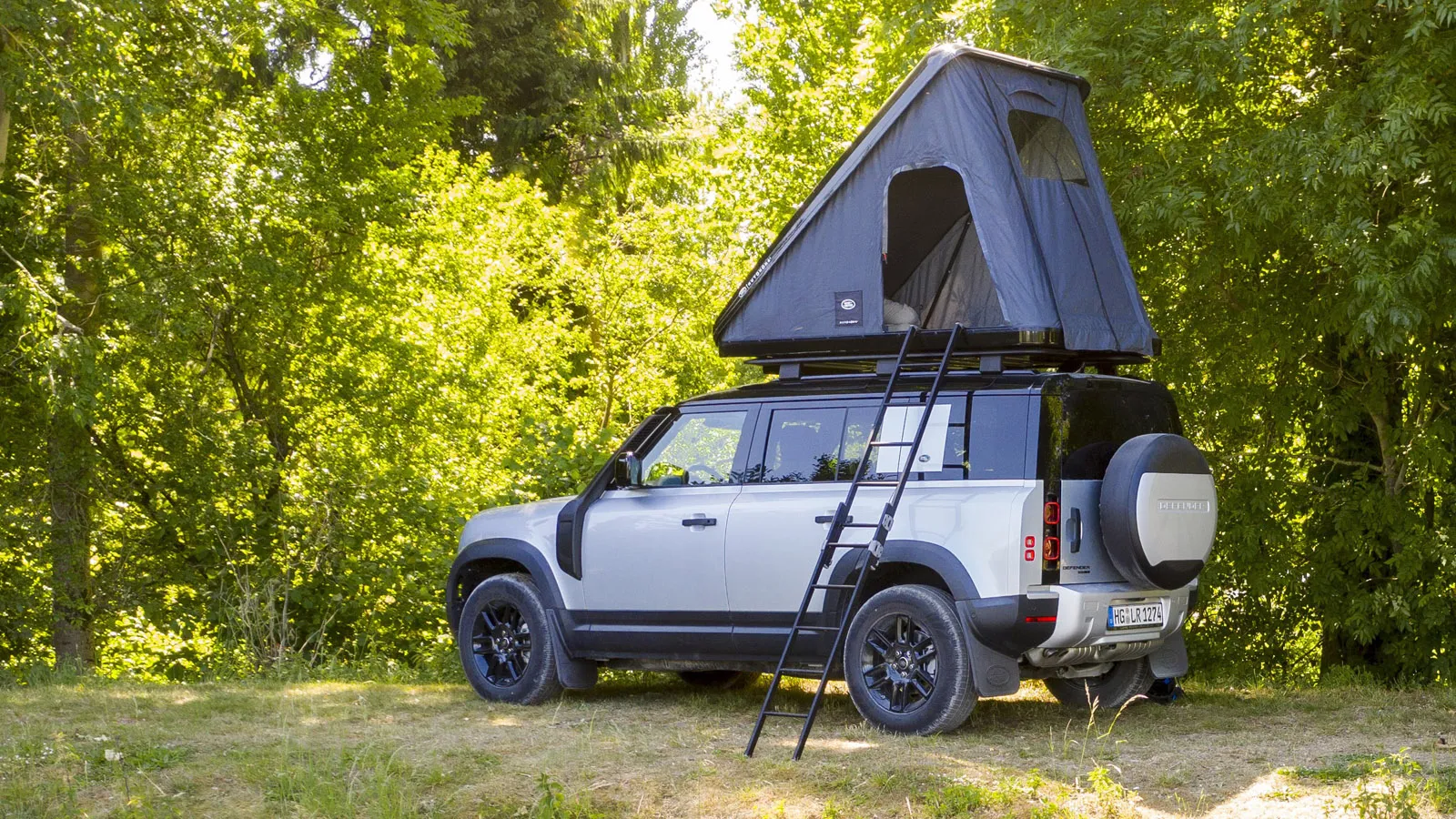
4×4 roof-top tent rental Nairobi
A 4×4 roof-top tent rental Nairobi adventure gives travelers one of the most independent ways to experience Kenya. Instead of moving from hotel to hotel on a fixed safari schedule, you carry your transport, sleeping space and much of your camping equipment in one vehicle.
Nairobi makes a natural starting point. From the capital, travelers can drive south toward Amboseli, west through the Great Rift Valley, continue to Lake Nakuru and the Maasai Mara, head north toward Laikipia and Samburu, or travel southeast through Tsavo before finishing on Kenya’s Indian Ocean coast.
The attraction goes beyond saving money on accommodation.
A rooftop-tent safari allows you to wake early at a campsite, prepare coffee beside your vehicle and begin exploring before much of the day-tour traffic arrives. You can spend longer in destinations you enjoy, adjust the route when weather changes and combine national parks with lakes, highlands, small towns and the coast.
However, successful self-drive camping requires more planning than simply collecting a Toyota Land Cruiser in Nairobi and heading toward the bush.
You need the right vehicle, suitable camping equipment, adequate insurance, sensible driving distances, reliable navigation, water storage, recovery equipment and a clear understanding of where camping is permitted.
This complete guide explains how to choose a 4×4 roof-top tent rental Nairobi, what the rental should include, which vehicles work well, how much rentals can cost, where to camp, which routes make sense, how to plan fuel stops and how to avoid the mistakes that can turn a dream Kenya road trip into an exhausting one.
What Is a 4×4 Roof-Top Tent Rental Nairobi?
A 4×4 rooftop-tent rental combines an off-road-capable vehicle with a tent mounted securely on the vehicle’s roof rack.
At camp, you unfold or open the tent, extend the ladder and climb into an elevated sleeping area. A mattress normally remains inside the tent while you travel.
The arrangement turns the vehicle into a mobile camping base.
Rental companies in Nairobi currently offer rooftop tents on vehicles such as Toyota Land Cruisers, Land Cruiser Prados, Toyota Hilux pickups and, with selected companies, Land Rover Defenders or compact 4x4s.
Two adults commonly share one rooftop tent. Families or small groups may use a larger family tent, two separate roof tents or a combination of rooftop and ground tents.
The equipment package matters just as much as the tent.
A properly prepared rental can include bedding, a table, chairs, cooking equipment, water containers, refrigeration or a cooler, lighting and basic recovery tools.
Never assume every company includes the same equipment. Some operators bundle camping gear with the vehicle, while others charge separately for selected items.
Why Start Your Rooftop-Tent Safari in Nairobi?
Nairobi offers the widest selection of safari-ready rental vehicles in Kenya.
The city also works well as a logistics base because travelers can buy groceries, gas for camping stoves, drinking water, SIM cards and forgotten equipment before entering remote areas.
More importantly, Nairobi sits near several major safari routes.
You can reach the Rift Valley without crossing the entire country. Amboseli lies to the south. Tsavo connects naturally with a route toward Mombasa and the coast. Northern highways lead toward Mount Kenya, Nanyuki, Laikipia, Isiolo and Samburu.
Starting in Nairobi also simplifies airport logistics for international visitors arriving at Jomo Kenyatta International Airport.
Many rental companies can arrange vehicle collection at their Nairobi depot or organize airport transfers to the collection point.
Do not plan to land after an overnight international flight and immediately drive six or seven hours into the bush.
A calmer first day gives you time to inspect the vehicle, learn how the tent works, purchase supplies and become comfortable with Kenyan traffic before beginning the longer safari route.
Why Choose a Rooftop Tent Instead of Lodges?
The main advantage is flexibility.
Your accommodation travels with you, which gives the itinerary a different rhythm from a lodge-based safari.
You can camp in one area for several nights and move when you feel ready. A campsite also brings you closer to Kenya’s natural environment, particularly when you stay inside or near national parks.
Costs can also differ from lodge travel.
Camping does not remove park fees, vehicle costs, fuel or food expenses, but it may reduce the amount spent on accommodation.
The greatest benefit, however, often comes from the experience rather than the savings.
Evenings become part of the safari. You prepare dinner outdoors, listen to wildlife, watch the stars and begin the next morning without leaving your environment for a hotel lobby.
Rooftop tents also simplify setup compared with many conventional ground tents.
Once you learn the system, opening and closing the tent becomes part of the daily routine.
Rooftop Tent Versus Pop-Up Safari Roof
Travelers regularly confuse these two features.
A rooftop tent provides sleeping accommodation.
A pop-up safari roof provides standing room for wildlife viewing and photography.
The pop-up section opens above the passenger compartment during game drives. Travelers can stand and look across vegetation while the vehicle remains stationary or moves slowly.
You do not sleep inside a pop-up roof.
Likewise, a normal rooftop tent does not automatically provide the elevated wildlife-viewing experience of a purpose-built safari roof.
Some rental fleets offer different configurations.
Ask the company exactly what sits on the roof before booking.
For a camping road trip, prioritize a strong rooftop-tent arrangement. For intensive game viewing, discuss whether the specific vehicle also offers suitable visibility from windows, a sunroof or another viewing configuration.
Understanding that difference prevents disappointment when the vehicle arrives.
Who Should Choose 4×4 Roof-Top Tent Rental Nairobi?
Rooftop camping suits travelers who value independence.
Couples often find the format particularly convenient because one tent generally provides enough sleeping room while the vehicle still carries plenty of equipment.
Photographers appreciate the ability to control departure times and stay longer in productive wildlife areas.
Overlanders can use Nairobi as the beginning of a much longer route through Kenya and neighboring countries.
Families can also enjoy the experience when they choose a vehicle and tent configuration large enough for the group.
The format works less well for travelers with significant mobility limitations because entering a rooftop tent requires climbing a ladder.
People who dislike basic camping, shared campsite bathrooms or cooking outside may prefer a lodge-based self-drive trip.
You do not have to camp every night.
One of the smartest approaches combines rooftop camping with occasional lodge or hotel stays, especially after several dusty days on the road.
Is a 4×4 Really Necessary for Kenya?
You can reach many Kenyan towns on good paved roads without four-wheel drive.
Safari travel changes the equation.
National-park tracks can include mud, loose sand, corrugations, rocks, ruts and seasonal water crossings. Road conditions can change quickly after heavy rain.
A capable 4×4 provides ground clearance and traction that ordinary city vehicles cannot match.
The need becomes even greater when you travel beyond Kenya’s mainstream circuit.
Kenya Wildlife Service, for example, states that high-clearance 4WD vehicles are essential year-round for Sibiloi National Park and recommends convoy travel in that remote region.
Most travelers never attempt routes that difficult.
Even on conventional circuits, however, a proper 4×4 gives you more margin when road conditions deteriorate.
Do not confuse four-wheel drive with invincibility. Deep mud can stop a Land Cruiser just as effectively as another vehicle if the driver chooses a poor line.
Good judgment still matters.
Toyota Land Cruiser for Rooftop-Tent Safaris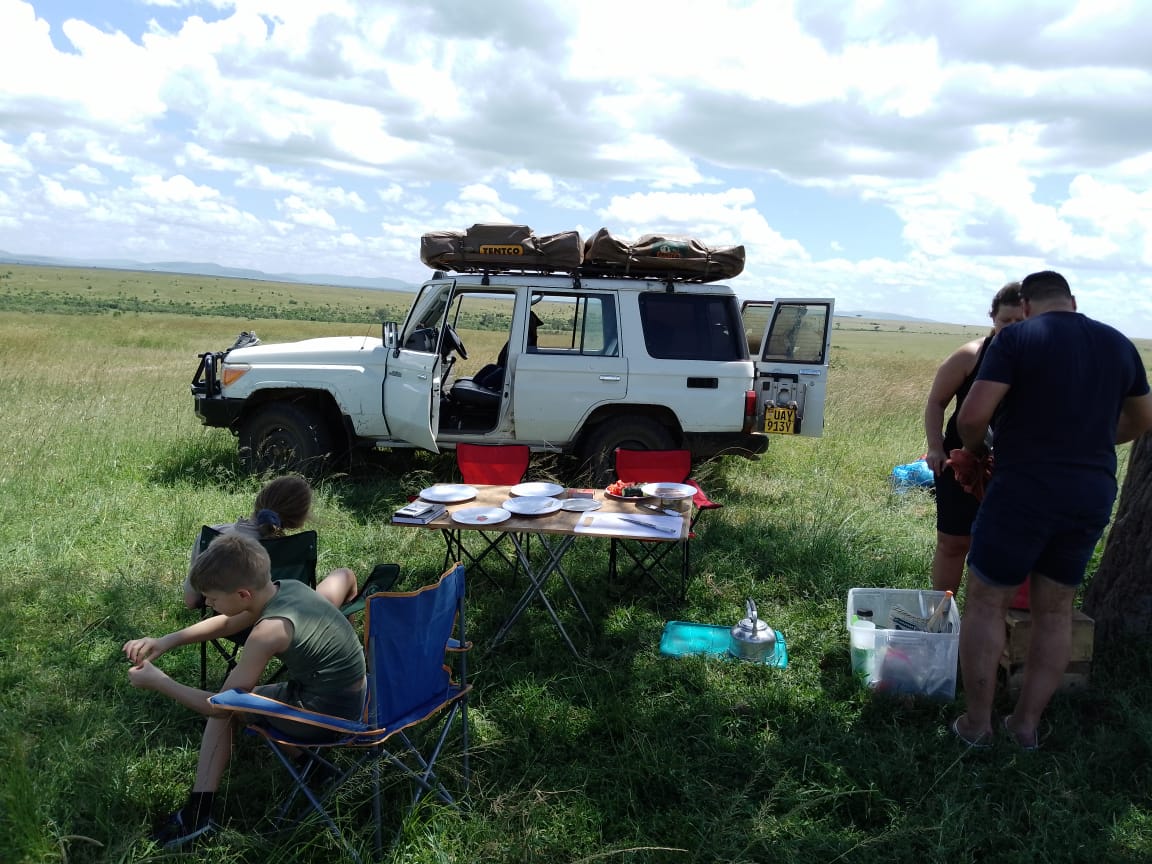
The Toyota Land Cruiser dominates the East African safari rental market for good reasons.
Rental companies in Nairobi offer several versions, including Hardtops, 70 Series vehicles, Prado models, GX/VX variants and older V8 configurations.
The strengths include ground clearance, strong four-wheel-drive systems and suitability for rough tracks.
A Land Cruiser Hardtop often appeals to travelers who prioritize ruggedness over luxury.
Prado models can feel more comfortable during long highway sections and work well for couples on mainstream routes.
Larger Land Cruisers can carry more equipment and may support double rooftop-tent systems for groups.
Vehicle condition matters more than the badge.
A well-maintained older Land Cruiser makes a better safari vehicle than a poorly maintained newer one.
Ask about mileage, maintenance, tire condition and recent servicing rather than choosing only from photographs.
Toyota Hilux Rooftop-Tent Rental
A Toyota Hilux double cab offers another strong option.
The pickup format separates much of the camping equipment from the passenger cabin and gives travelers useful cargo space.
Flight & Safaris International currently offers Toyota Hilux 4WD rooftop-tent campers, while Black Leopard lists fully equipped Hilux models within its Nairobi fleet.
Hilux vehicles work particularly well for two travelers or small groups carrying a substantial camping load.
Ask how the company protects equipment in the rear storage area from rain and dust.
A canopy or enclosed storage system makes a major difference.
The pickup also needs proper weight distribution. Water, fuel, refrigerators, recovery gear and camping supplies add considerable weight.
A professionally prepared vehicle should store heavy items securely rather than piling equipment loosely in the cargo area.
Land Rover Defender Rooftop-Tent Rental
Land Rover Defenders appeal strongly to travelers who enjoy classic expedition vehicles.
Some Nairobi companies continue to rent Defender 110 models equipped for camping and overlanding.
Black Leopard, for example, offers Defender configurations with rooftop tents, an awning, cooking equipment, bedding and other camping gear.
The character differs from a modern SUV.
A Defender can feel more agricultural, mechanical and expedition-oriented.
That personality attracts many overlanders but may not appeal to someone prioritizing quiet highway comfort.
Before choosing one, ask whether the vehicle has air-conditioning, how much luggage space remains after camping equipment and what roadside support the rental company provides.
Vehicle familiarity also matters. Drivers who have never used an older manual 4×4 may find a modern automatic Prado easier during their first Kenyan self-drive safari.
Compact 4x4s With Rooftop Tents
Not every traveler needs a full-size Land Cruiser.
Some companies now fit rooftop tents to smaller vehicles such as the Suzuki Jimny.
Black Leopard currently advertises both short- and long-wheelbase Jimny options with equipped camping packages.
The advantages include easier handling and potentially lower rental and fuel costs.
The limitations involve interior space, luggage capacity and comfort on long drives.
A compact 4×4 can work beautifully for two minimalist travelers following mainstream routes during suitable weather.
It becomes less attractive when carrying large photography equipment, extensive camping supplies or several passengers.
Route choice should determine vehicle size.
Do not select the smallest vehicle purely because it costs less and then overload it with water, luggage and camping gear.
Single Rooftop Tent or Double Rooftop Tent?
One standard tent commonly accommodates two adults.
That makes a single rooftop-tent Land Cruiser or Prado ideal for a couple.
Four travelers usually need a different arrangement.
Rental companies may fit two separate rooftop tents to a larger Land Cruiser or pickup. This creates two sleeping compartments and gives couples more privacy.
A family tent provides another solution.
Some operators advertise expanded family configurations that sleep more than two people in a larger roof-mounted unit.
Weight matters.
The vehicle roof rack must safely support both the tent system and occupants while parked.
Use only professionally fitted rental equipment rather than improvising additional weight on the roof.
Before confirming a family rental, ask how many adults the tent manufacturer designed it to sleep and whether everyone’s bedding remains inside when the tent closes.
Softshell Rooftop Tents
Softshell tents dominate many East African rental fleets.
They usually fold in half over the side or rear of the vehicle and use the access ladder as part of the support system.
These tents provide generous sleeping space relative to their packed footprint.
Canvas walls and mesh windows allow ventilation, while a rainfly adds weather protection.
Setup takes longer than many hardshell designs but remains straightforward once you know the procedure.
The most important factor is condition.
Inspect seams, zippers, mosquito mesh, ladder locks and the waterproof outer cover during vehicle collection.
Open the complete tent while still at the rental depot.
Do not accept an explanation that “everything works” without checking it yourself.
A damaged zipper feels like a small problem in Nairobi and a major problem during a rainy night in the Mara.
Hardshell Rooftop Tents
Hardshell tents use a rigid upper shell that lifts or opens to create the sleeping area.
Their strongest advantage is fast setup.
Many designs also handle wind well because they maintain a compact profile.
The hard upper surface can protect the tent fabric while driving.
However, hardshell systems may offer less sleeping width than large fold-out softshell designs, depending on the model.
Availability also varies between Nairobi rental companies.
Do not choose solely based on marketing language.
Ask the company to demonstrate the exact tent fitted to your vehicle.
Climb inside.
Check mattress thickness, headroom, ventilation and ease of entry.
The five minutes you spend testing the tent at collection tell you more than dozens of online photographs.
What Should a 4×4 Roof-Top Tent Rental Nairobi Include?
The exact package varies by company.
At minimum, expect the vehicle and fitted rooftop tent.
A proper camping package may additionally include a mattress, sleeping bags or bedding, pillows, camp chairs, table, stove, cooking utensils, plates, cups, water containers and lighting.
More complete setups add refrigerators, dual-battery systems, awnings, portable showers and enhanced recovery equipment.
Black Leopard publishes detailed equipped packages containing rooftop tents, cooking gear, bedding, chairs and other camp equipment. 4×4 Self Drive Kenya similarly publishes camping kits with water storage, tables, chairs, a gas cooker and basic safety equipment.
Request a written equipment inventory before paying the deposit.
Words such as “fully equipped” have no universal definition.
Why a Fridge Makes a Big Difference
A refrigerator changes the quality of a long camping safari.
You can carry fresh food, milk, cold drinks and ingredients that would not survive well in a basic cooler.
Electric camping fridges usually run through a second battery or dedicated power system.
Ask how the rental company prevents the fridge from draining the starter battery.
A dual-battery setup should isolate essential vehicle starting power from camping electricity.
Test the fridge before leaving Nairobi.
Confirm whether it operates while the engine is off and how long the battery system normally supports it.
Also understand that a fridge encourages travelers to carry too much food.
Restock in towns along the route instead of turning the vehicle into a moving supermarket.
Fresh supplies remain available in many parts of Kenya’s mainstream safari circuit.
Water Storage on a Self-Drive Safari
Carry more water than you expect to drink.
Water serves several purposes: hydration, cooking, cleaning and emergencies.
Some camping rentals use fixed tanks. Others provide jerry cans or collapsible containers.
A 20-liter container may sound large in Nairobi but disappears quickly when two people cook, wash dishes and drink through a hot day.
Do not depend completely on campsite taps.
KWS describes special campsites as highly self-sufficient locations where travelers should bring their own supplies.
Public campsites may provide water points, but availability and quality can vary by destination and conditions.
Carry treated drinking water separately from utility water when necessary.
Refill before entering remote areas rather than waiting until the tank reaches empty.
Cooking Equipment for Rooftop-Tent Camping
A simple camp kitchen is enough.
You need a reliable gas burner, cooking pots, a frying pan, utensils, a sharp knife, cutting surface, plates, mugs and equipment for washing dishes.
Rental packages frequently provide these basics.
Test the stove during handover.
Ask which fuel or gas system it uses and where you can obtain refills.
Never assume that every small town stocks the exact fitting.
Wind protection improves cooking efficiency.
An awning or sheltered kitchen area also helps during rain.
Store food securely at night and follow campsite instructions regarding wildlife.
Do not leave scraps or food packaging around the vehicle.
Camping responsibly protects wildlife as much as it protects travelers.
Recovery Gear You Should Expect
A real safari 4×4 requires more than a jack supplied for city driving.
At minimum, understand what equipment the rental company provides for a puncture and basic recovery.
Useful items can include a strong jack, wheel spanner, tow strap, shovel, recovery points, warning triangles and one or more spare tires.
Serious remote travel may justify recovery boards, an air compressor and additional tire-repair equipment.
The presence of equipment does not mean you automatically know how to use it.
Ask for a demonstration.
Find the jacking points on the vehicle.
Locate the tow points.
Confirm where the wheel-lock key sits if applicable.
Trying to learn these details for the first time beside a muddy park track wastes time and can become unsafe.
One Spare Tire or Two?
One properly inflated spare tire may suffice on mainstream safari circuits.
Two spares give more confidence on remote, rocky or heavily corrugated routes.
Ask the rental company what your route requires.
Inspect the spare as carefully as the four tires on the ground.
A spare with almost no tread offers little value.
Confirm that the wheel size matches the vehicle and that the jack can actually lift a fully loaded 4×4 high enough to change it.
For remote northern Kenya, tire preparation becomes substantially more important than it does for a Nairobi–Naivasha weekend trip.
Your itinerary should dictate the equipment.
Check the Tires Before Leaving Nairobi
Tires rank among the most important parts of a safari vehicle.
Look for adequate tread, even wear, sidewall cuts and signs of age.
All-terrain tires usually suit a mixture of paved highways and park tracks better than aggressive mud tires designed primarily for extreme off-road use.
Check tire pressure with the rental company.
Ask what pressure they recommend for normal highway travel and whether they advise adjustments for specific terrain.
Never dramatically deflate tires without knowing what you are doing.
Incorrect pressure can damage sidewalls or cause handling problems.
Photograph each wheel during collection.
The images document existing damage and help avoid disagreement when you return the vehicle.
Inspect the Rooftop Tent Before Accepting the Vehicle
Open it completely.
This step is non-negotiable.
Climb the ladder and inspect the mattress, fabric, zippers, mesh windows and rain cover.
Check that the ladder locks firmly.
Learn where bedding goes when you fold the tent.
Close the entire system yourself.
A rental employee may make the procedure look effortless because they open the same tent every day.
You need to know whether you can do it independently in rain, wind or darkness.
Repeat the setup if necessary.
Make sure the travel cover fastens correctly.
A loose rooftop-tent cover can flap violently at highway speeds and eventually tear.
Five extra minutes at handover can prevent hours of frustration later.
Test Every Light and Charging Point
Camping depends heavily on small electrical systems.
Check interior vehicle lights, 12V sockets, USB charging ports and camp lights.
If the package includes a fridge, run it.
When the vehicle uses a dual-battery system, ask how you monitor battery condition.
Test any inverter before relying on it for camera or laptop charging.
Bring a power bank even when the vehicle provides several sockets.
Dust, vibration and constant use can cause electrical accessories to fail.
Redundancy helps.
Photographers should avoid charging every device only overnight.
Use driving time to recharge batteries whenever possible.
4×4 Roof-Top Tent Rental Nairobi Prices
Rates vary considerably by vehicle, season, rental duration and equipment level.
Published prices provide only a snapshot.
Flight & Safaris currently advertises its Toyota Hilux with rooftop tent and camping equipment at roughly US$150–170 per day depending on rental duration, before its stated VAT.
Black Leopard publishes a much broader spread across vehicles and seasons. Its equipped options range from smaller 4×4 configurations to Land Cruisers and Hilux models costing substantially more during high season.
Other companies price by quotation rather than publishing a fixed tariff.
Treat online figures as examples, not guaranteed market prices.
Ask for a complete quote for your dates.
What Changes the Rental Price?
Vehicle class creates the largest difference.
A compact 4×4 generally costs less than an expedition-prepared Land Cruiser.
Tent configuration also affects pricing.
Two rooftop tents require more equipment than one.
High-season demand can increase rates, while longer rentals may receive lower daily pricing.
Additional camping gear, refrigerators, child seats, extra drivers and cross-border documentation can add costs.
One-way returns also change the total.
A Nairobi pickup with a Kigali or Arusha return requires the rental company to reposition its vehicle.
Always compare total trip cost rather than headline daily rates.
A rental advertised at a cheaper daily figure can become more expensive after insurance, camping equipment and transfer charges.
Insurance for a Nairobi 4×4 Rental
Read the rental insurance conditions before paying.
Do not stop at the words “comprehensive insurance.”
Ask about excess or deductible amounts.
Check tire, windscreen and underbody exclusions.
Determine whether damage caused while driving on prohibited roads receives coverage.
Understand what happens if you use the vehicle in another country.
Roadside recovery and collision insurance are different services.
A policy may insure accident damage while charging separately to recover a stuck vehicle from mud.
Get the important terms in writing.
Photograph the vehicle during collection and again when you return it.
Documentation protects both parties.
Security Deposit and Rental Excess
Many companies hold a security deposit or require financial responsibility up to an agreed excess.
The exact system varies.
Ask how the company collects the deposit, when it releases the money and what circumstances allow deductions.
Credit-card holds can take time to disappear after the rental ends.
Cash deposits create different logistical issues.
Read the rental agreement before signing.
Pay particular attention to clauses covering negligent driving, unauthorized drivers, night driving, water crossings and mechanical damage.
The cheapest deposit does not necessarily indicate the strongest rental package.
A clear, transparent contract matters more.
Driving Licence Requirements
Confirm licence requirements directly with your rental company before traveling.
AA Kenya describes an International Driving Permit as a standardized translation that supplements rather than replaces a valid home-country licence.
Rental companies commonly require the original valid driving licence and may ask for an IDP depending on the licence language and their own procedures.
If your licence does not use English, arranging an IDP before travel gives you a useful standardized translation.
Carry the original licence as well.
Never travel with only a photograph on your phone unless the rental provider and applicable rules specifically accept it.
Passport identification normally forms part of the rental process too.
Who Can Drive the Rental Vehicle?
Every driver should appear on the rental agreement.
Do not assume your partner or travel companion can simply take over halfway through the safari.
Unauthorized driving can create insurance problems after an accident.
Ask about additional-driver charges.
Confirm minimum and maximum age rules because companies set different limits.
Experience matters more than confidence.
A driver who has never handled a large 4×4 should practice with the vehicle before reaching a difficult park track.
Share driving on long road days when both travelers meet the rental requirements.
Fatigue creates more risk than an extra hour spent resting.
Driving in Kenya: Left Side of the Road
Kenya drives on the left.
Travelers from the United Kingdom, Australia and several other countries will find the traffic orientation familiar.
Drivers from continental Europe, North America and many other regions need time to adjust.
Roundabouts, overtaking and turning at junctions require extra concentration during the first day.
Choose a calm collection route.
Avoid beginning your first unfamiliar left-side drive during Nairobi evening traffic after a long international flight.
The vehicle’s size adds another adjustment.
A Land Cruiser is wider and heavier than a normal compact car.
Use the side mirrors constantly and give yourself more space.
Avoid Unnecessary Night Driving
Plan to reach the next destination during daylight.
Night driving makes potholes, pedestrians, cyclists, animals and unlit vehicles harder to detect.
Remote safari tracks also become difficult to navigate after dark.
Arriving early has another benefit: rooftop-tent setup becomes far easier when you can see what you are doing.
Use daylight for finding the campsite, checking the surroundings and preparing dinner.
If a route appears too long to complete comfortably, add an overnight stop instead of forcing the schedule.
Self-drive travel should create freedom, not a race against sunset.
Understand Kenyan Road Distances
Kilometers do not tell the whole story.
A 200-kilometer paved highway journey and a 200-kilometer route involving dirt roads, towns and park tracks can require very different amounts of time.
Google Maps also cannot predict every seasonal road condition.
Ask the rental company or campsite about current routes.
Local advice matters after heavy rain.
Build spare time into each day.
The most enjoyable itineraries usually involve fewer destinations than first-time visitors expect.
Driving every day leaves little time for wildlife viewing, photography or relaxing at camp.
A good road trip needs empty space in the schedule.
Nairobi to Maasai Mara by Rooftop-Tent 4×4
The Maasai Mara ranks among Kenya’s most obvious self-drive destinations.
The journey from Nairobi passes through the Rift Valley and Narok before continuing toward the reserve.
Road conditions near and inside the ecosystem can vary considerably.
Rain changes tracks quickly, especially where black-cotton soil becomes slippery.
A 4×4 gives you useful traction, but self-drive visitors should still choose routes carefully.
Plan at least two or three nights in the Mara region rather than driving in for a single rushed day.
Camping lets you experience the landscape outside conventional lodge routines.
Check the exact campsite location before arrival because the wider Mara ecosystem includes national-reserve, conservancy and private accommodation areas with different access arrangements.
Camping in the Maasai Mara
The Maasai Mara does not operate under exactly the same system as every KWS-managed national park.
Confirm campsite arrangements with the relevant reserve, conservancy or private camping provider.
Do not assume that an empty piece of grass allows camping.
Wildlife moves freely throughout many parts of the ecosystem.
Use recognized campsites and follow local rules.
Ask whether the site has toilets, showers, water and security.
Some locations provide little more than space to camp.
That simplicity can create an exceptional wilderness experience, but only when travelers arrive prepared.
Never walk around an unfenced campsite after dark without following the campsite’s guidance.
The rooftop tent raises your sleeping platform, but it does not make the surrounding campsite wildlife-free.
Nairobi to Lake Naivasha
Lake Naivasha makes an easy early stop on a Kenya self-drive circuit.
Its position in the Rift Valley allows travelers to leave Nairobi without immediately committing to a long and difficult safari road.
The area offers numerous accommodation and camping options.
You can combine the stop with Hell’s Gate, boat trips, walking experiences and relaxed time beside the lake.
Naivasha also works well for testing your camping routine.
If you discover that you forgot cooking oil, drinking water or another basic item, shops remain relatively accessible.
That makes it a much gentler first camping night than heading directly into a remote special campsite.
Lake Nakuru Self-Drive Camping
Lake Nakuru fits naturally after Naivasha or as part of a circuit toward western Kenya and the Maasai Mara.
Kenya Wildlife Service lists both public and special campsites in Lake Nakuru National Park.
KWS currently notes that its public Makalia campsite provides water and toilet/bathroom facilities, while special campsites require visitors to arrive more self-sufficient. It also warns that campsites can become prone to flooding during heavy rains and advises travelers to contact park management beforehand.
That warning illustrates why current information matters.
A campsite that works beautifully during dry conditions may become impractical after prolonged rain.
Call ahead when weather looks uncertain.
Nairobi to Amboseli With a Rooftop Tent
Amboseli makes an excellent first or final major park on a Nairobi self-drive route.
The landscape combines open plains, wetlands and famous views toward Mount Kilimanjaro.
Elephants form one of the park’s biggest attractions.
A rooftop-tent trip gives travelers flexibility to camp nearby or use designated camping options according to current availability.
Check entrance and camping arrangements before travel rather than relying on old blog prices.
Kenya Wildlife Service manages a digital park payment system, and charges can change.
Allow time for wildlife viewing rather than treating Amboseli as a quick stop between Nairobi and Tsavo.
Two nights create a much better rhythm than arriving late one afternoon and leaving immediately after breakfast.
Amboseli to Tsavo
Amboseli and Tsavo combine naturally.
The route can continue toward Tsavo West before moving through the wider Tsavo ecosystem.
This section works particularly well for travelers planning to finish at the Kenyan coast.
Tsavo offers a different scale from smaller parks.
Longer internal distances mean fuel planning matters.
A rooftop tent helps you structure the journey around campsites instead of returning to a single lodge every evening.
Ask about road conditions before taking minor tracks.
Even experienced self-drivers should avoid turning every dotted line on a map into an off-road challenge.
Stay on permitted routes and protect both the environment and the vehicle.
Nairobi to Samburu Self-Drive Safari
The northern route from Nairobi can include Mount Kenya, Nanyuki, Laikipia and Samburu.
This itinerary provides a dramatic change in landscape.
As you move north, vegetation and wildlife communities shift toward drier environments.
The long road sections make vehicle comfort more important.
A Prado or larger Land Cruiser can feel easier over several hours than a very compact camping vehicle.
Fuel up when convenient rather than waiting until the tank approaches empty.
Samburu also introduces travelers to hotter daytime conditions, making shade, water capacity and a working refrigerator particularly valuable.
Laikipia and Nanyuki by 4×4 Camper
Laikipia works well for travelers who want more than conventional national-park tourism.
The region includes ranches, conservancies and community areas offering diverse wildlife and landscapes.
Camping arrangements vary considerably.
Some properties operate organized campsites, while others focus on lodges or private experiences.
Contact each location before arrival.
A self-drive rental does not automatically grant access to private conservancy land.
Route planning also matters.
Roads can range from smooth tarmac to rough gravel and seasonal dirt tracks.
The flexibility of a 4×4 helps, but local directions remain important.
Remote Northern Kenya
Northern Kenya rewards experienced overlanders but requires more preparation than a standard Mara–Amboseli loop.
Destinations around Marsabit, Lake Turkana and Sibiloi introduce longer fuel distances and rougher roads.
KWS explicitly advises high-clearance 4WD travel for Sibiloi and recommends convoy travel. Travelers should carry drinking water, food and camping gear.
Those instructions should shape the entire trip.
A first-time international self-driver should not treat this route like an extension of a normal Nairobi weekend.
Discuss fuel range, tires, spare parts, communications and recovery support with the rental company.
Consider traveling with another vehicle.
Remote travel becomes safer when independence does not turn into isolation.
Nairobi to the Kenyan Coast
A rooftop-tent safari can finish beautifully on the Indian Ocean.
One common concept runs from Nairobi through Amboseli and Tsavo before continuing toward Mombasa, Diani, Watamu or another coastal area.
After several camping nights, a beach hotel can feel particularly rewarding.
You can also continue camping where suitable campsites operate.
Remember that coastal heat changes your camping experience.
Ventilation becomes especially important inside the rooftop tent.
Shade the vehicle when possible.
Avoid keeping sensitive food in a poorly insulated cooler all day.
A reliable fridge earns its value on this route.
Public Campsites in Kenyan National Parks
Kenya Wildlife Service operates public campsites in a range of parks.
KWS describes these as budget-friendly sites with basic facilities such as toilets and water points.
Facilities differ from one park to another.
Do not imagine a European holiday park with electricity at every pitch, hot showers and a shop beside reception.
A public campsite can remain very basic.
That simplicity forms part of the experience.
Ask what the specific campsite provides before arrival.
Carry enough water and food to manage if facilities operate below expectations.
Special Campsites
Special campsites offer a more exclusive style of wilderness camping.
KWS explains that travelers reserve these sites for exclusive group use and should arrive fully self-sufficient with tents, food, cooking equipment and supplies.
That independence makes a rooftop-tent vehicle ideal.
You already carry your sleeping platform and much of the equipment you need.
However, special campsites demand more discipline.
Do not arrive late without water or food.
Know the route.
Follow park instructions concerning fires, waste and wildlife.
Reserve early where required.
The privacy can create one of the most memorable nights of an East African road trip.
Public Campsite or Special Campsite?
Choose based on experience and comfort level.
First-time campers may appreciate a public campsite where other travelers stay nearby and basic facilities exist.
Experienced overlanders may prefer the solitude of a special campsite.
Families should also consider toilets, water access and how comfortable children feel in an isolated setting.
You can mix both styles within one trip.
Starting with public campsites helps you learn the vehicle and equipment.
Later, once the camping routine feels natural, a special campsite becomes easier to manage.
There is no prize for choosing the most remote site.
The goal is a safe and enjoyable safari.
Can You Wild Camp Anywhere in Kenya?
Do not assume so.
Kenya contains public land, private property, conservancies, community land and protected wildlife areas with different rules.
Inside national parks and reserves, use approved campsites and follow the managing authority’s requirements.
Outside protected areas, obtain permission from the landowner or legitimate campsite operator.
A rooftop tent creates mobility, not automatic camping rights.
Random roadside camping can also raise security and safety concerns.
Plan recognized overnight locations whenever possible.
True independence comes from preparation rather than simply stopping anywhere after sunset.
Campfire Rules
Never assume you can make a fire at every campsite.
Ask first.
Dry conditions can create significant fire risk.
Some sites provide designated fire areas, while others restrict open flames.
KWS safety guidance specifically tells visitors not to leave campfires unattended.
Carry a stove so you can cook without relying on a fire.
When fires are allowed, extinguish them completely before sleeping.
Avoid collecting wood where local rules prohibit it.
Responsible camping means leaving the site ready for the next traveler and protecting the landscape around it.
Wildlife Safety at Campsites
Wildlife does not recognize campsite boundaries the way travelers do.
Elephants, buffalo, hyenas and other animals can move through unfenced areas.
Never approach them.
Keep food secured.
Use a torch after dark.
Follow instructions from rangers, campsite staff or lodge personnel.
Do not allow children to wander independently.
The rooftop tent provides an elevated place to sleep but does not replace normal wildlife awareness.
Once you enter the tent at night, avoid repeatedly climbing down unless necessary.
Plan bathroom visits and campsite organization before darkness settles.
Food Storage Around Wildlife
Food smells attract animals.
Store groceries inside secure containers or the vehicle rather than leaving bags outside.
Clean cooking areas after dinner.
Dispose of waste properly.
Never intentionally feed wildlife.
Feeding creates dangerous animal behavior and damages the experience for future campers.
Strong-smelling food deserves extra care.
In monkey and baboon areas, even daylight storage matters because these animals quickly learn how to steal unattended items.
Close windows when leaving the vehicle.
Keep the camp tidy.
Good food management becomes a wildlife-safety practice, not just housekeeping.
Weather and Rooftop-Tent Camping
Kenya’s weather varies dramatically by region, altitude and season.
Nairobi nights can feel cool.
Northern areas may become extremely hot during the day.
Highland campsites can turn cold after sunset.
Rain transforms dirt tracks and campsite conditions.
Pack layers rather than assuming every Kenyan destination stays hot.
A waterproof tent remains essential.
Inspect the outer cover and rainfly before departure.
Bring a lightweight rain jacket even during relatively dry periods.
If heavy rain starts, choose parking carefully.
Avoid depressions where water can accumulate around the vehicle.
Rooftop Tent in Heavy Rain
Rain itself should not ruin rooftop camping.
A good tent keeps sleepers dry and elevated above muddy ground.
The difficult part usually comes during setup and packing.
An awning provides useful shelter for cooking.
Waterproof storage boxes keep equipment organized.
Before closing a wet tent, remove as much surface water as practical.
If you pack the tent damp, reopen it when weather improves and allow the material to dry.
Long periods of trapped moisture encourage mildew and unpleasant smells.
Never force zippers or covers when wet fabric bunches in the wrong place.
Slow down and fold it correctly.
Camping in Hot Weather
Ventilation matters more than insulation in many low-altitude areas.
Open mesh-protected windows whenever conditions allow.
Park so the morning sun does not immediately turn the tent into an oven.
An awning creates shade beside the vehicle during the day.
Drink water regularly.
Heat can build quickly while travelers concentrate on game viewing.
A fridge or high-quality cooler keeps drinks and food safer.
Do not store drinking water only in direct sun on an exposed roof rack.
Keep some water inside the shaded vehicle whenever possible.
Camping in Cold Highlands
Kenya can surprise visitors at altitude.
Early mornings around Mount Kenya, the Aberdares and other highland regions may feel genuinely cold.
Ask what bedding the rental package includes.
A thin summer sleeping bag may not provide enough comfort.
Carry warm layers, socks and a hat.
Because rooftop tents sit exposed to moving air, wind can make nights feel colder than expected.
Choose a sheltered legal campsite when weather turns rough.
The ability to close the tent tightly matters just as much as ventilation in hot areas.
Fuel Planning
Never let the fuel gauge dictate the day’s itinerary.
Refuel when convenient.
Major routes offer fuel stations, but remote regions provide fewer options.
A Land Cruiser can consume significant fuel, particularly when fully loaded, driving off-road or carrying rooftop equipment.
Ask the rental company about realistic fuel consumption for your exact vehicle.
Do not calculate the trip based solely on factory specifications.
Rooftop tents, gear, terrain and driving style all affect consumption.
For remote routes, discuss legal and safe auxiliary fuel storage with the rental provider.
Diesel or Petrol?
Both can work.
Diesel Land Cruisers remain common in safari fleets because they suit long-distance and off-road use.
Petrol models may deliver smoother or stronger performance in some configurations but can consume more fuel.
Availability of fuel matters less on Kenya’s mainstream routes than total range and vehicle condition.
Do not reject an excellent petrol vehicle purely because you expected diesel.
Compare fuel economy, engine condition, tank capacity and route.
The rental company should explain where a particular model performs best.
Automatic or Manual Transmission?
Automatic vehicles make many self-drive safaris easier.
They reduce workload in Nairobi traffic and allow inexperienced 4×4 drivers to concentrate on route selection.
Manual transmission can offer greater direct control to drivers who already understand off-road gear selection.
Neither automatically makes the vehicle better.
Choose what you know.
A Kenyan safari should not become the place where you learn manual transmission from scratch.
Ask how to engage low-range four-wheel drive regardless of transmission type.
Practice the system at the rental depot.
Low Range and Four-Wheel-Drive Systems
Many serious 4x4s offer high-range and low-range gearing.
Low range helps at slow speeds on difficult terrain where the vehicle needs controlled torque.
Do not wait until you are stuck to learn how the system operates.
Different models require different procedures.
Some need the vehicle stopped.
Others require neutral gear.
Differential locks may have separate controls.
Ask the rental company for a practical demonstration.
Use four-wheel-drive features responsibly.
Traction systems help you cross difficult ground; they do not cancel the laws of physics.
What to Do if You Get Stuck
Stop making the situation worse.
Drivers often bury vehicles deeply because they continue spinning the wheels after forward progress stops.
Assess the ground.
Reverse carefully if the previous track remains firm.
Use a shovel or recovery boards when appropriate.
Lowering tire pressure can sometimes help on certain surfaces, but only do so when you understand the correct procedure and have a way to reinflate the tires.
Contact the rental company if recovery becomes uncertain.
Never attach a tow rope to an unsuitable suspension or bumper component.
Use rated recovery points.
Breakdown Support
Ask who you call before you need help.
A strong Nairobi rental company should provide a clear roadside-support procedure.
Understand whether support operates 24 hours.
Ask what happens in national parks or remote areas.
Determine whether the company sends a mechanic, authorizes local repair or replaces the vehicle in serious cases.
Keep emergency numbers offline.
Mobile coverage does not reach every location.
Inform the rental company before authorizing significant mechanical repairs unless an immediate safety issue prevents waiting.
Offline Navigation
Do not rely entirely on mobile data.
Download offline maps before leaving Nairobi.
Carry a second navigation method when traveling remotely.
Rental companies may provide road maps or GPS assistance; Roadtrip Africa, for example, advertises detailed road maps with its Kenyan rentals.
Digital maps still require judgment.
A navigation app may choose the shortest route without understanding recent rainfall or local track quality.
When local staff tell you not to use a particular road, listen.
Saving twenty kilometers has little value if the shortcut adds three hours of mud.
Mobile Connectivity and SIM Cards
Local mobile data makes self-drive travel easier.
You can contact campsites, check weather information, communicate with the rental company and use navigation tools.
Network coverage remains strong in many populated areas but can disappear inside remote parks.
Download essential information beforehand.
Save booking confirmations as screenshots or PDFs.
Carry a power bank.
Do not depend on cloud-only access to your passport copy, insurance details or campsite contact numbers.
How Much Luggage Should You Bring?
Less than you think.
Rooftop-tent vehicles already carry bulky camping equipment.
Soft travel bags fit better than rigid suitcases.
A giant hard-shell suitcase consumes valuable storage space and becomes awkward when accessing gear every day.
Use packing cubes or smaller bags.
Keep frequently used items easy to reach.
Dust enters safari vehicles despite everyone’s efforts, so separate clean clothes from shoes and recovery equipment.
Leave unnecessary formal clothing at home unless your trip includes specific luxury stays or events.
Packing for a Roof-Tent Safari
Think in layers and systems.
Clothing should handle heat, cool mornings and rain.
Footwear needs to work at campsites and during any planned walking activities.
Bring a strong flashlight or headlamp.
Personal medication belongs in an accessible bag.
Sun protection matters every day.
Insect repellent also deserves a place in the daily kit.
You do not need to bring large camping items when the rental company provides them.
Instead, request the equipment list early and pack only the gaps.
Grocery Shopping in Nairobi
Stocking the vehicle before departure saves time later.
Buy dry foods, drinking water, breakfast ingredients, cooking basics and enough fresh food for the first few nights.
Do not buy two weeks of perishables in one supermarket visit.
Restocking supports local businesses and keeps food fresher.
Ask the rental company where to find a convenient supermarket on your departure route.
Organize groceries into boxes rather than loose shopping bags.
Label food, cooking equipment and personal supplies.
Good organization matters when darkness arrives and you need dinner quickly.
Combining Campsites and Lodges
You do not need to prove your commitment to camping by sleeping on the roof every night.
Mixing accommodation creates a more comfortable long safari.
Camp for several nights, then book a lodge with a shower, restaurant and laundry service.
A hotel night in Nairobi or another town can also provide useful rest between long sections.
The combination works particularly well during wet weather.
If rain persists for several days, changing one camping night to a lodge can improve morale considerably.
Flexibility is one of the biggest benefits of self-drive travel.
Use it.
7-Day 4×4 Roof-Top Tent Rental Nairobi Route
A short trip should remain simple.
Consider Nairobi, Lake Naivasha, Lake Nakuru and the Maasai Mara before returning to Nairobi.
This route minimizes unnecessary cross-country driving while still delivering Rift Valley scenery and major wildlife experiences.
Spend more than one night in key destinations.
A seven-day safari with six different campsites becomes a packing exercise rather than a holiday.
Build the route around two or three meaningful bases.
Starting with Naivasha also allows travelers to learn the tent before reaching a more remote wildlife area.
10-Day Nairobi Rooftop-Tent Safari
Ten days give you more flexibility.
One route could connect Nairobi, Amboseli, Tsavo West, Tsavo East and the Kenyan coast.
Another could focus on Naivasha, Nakuru, the Maasai Mara and a relaxed return through the Rift Valley.
Do not combine both loops unless you enjoy spending much of the trip driving.
Kenya looks manageable on a map, but safari speeds differ from highway travel.
Choose a geographic theme.
Southern Kenya works beautifully as one trip.
The Rift Valley and Mara form another.
Northern Kenya deserves its own itinerary.
14-Day Kenya Self-Drive Camping Safari
Two weeks allows a more complete circuit.
You might leave Nairobi for Mount Kenya or Laikipia, continue north toward Samburu, return through the Rift Valley, visit Lake Nakuru and finish with several nights in the Maasai Mara.
Alternatively, create a southern circuit toward Amboseli, Tsavo and the coast.
Include one or two low-driving days.
Stay three nights in at least one destination.
Longer stops let you enjoy the independence you paid for.
A rooftop-tent trip should not feel like a delivery schedule.
Three-Week Overland Kenya Journey
Three weeks open more options but still require discipline.
Travelers can combine northern landscapes, the Rift Valley, the Mara and southern parks without rushing.
Another approach adds a neighboring country.
Before crossing borders, however, confirm vehicle permission, insurance and all documentation with the rental provider.
Do not assume every Nairobi rental can legally enter every neighboring country.
A three-week journey also increases maintenance considerations.
Check fluid levels and tires periodically.
Keep the vehicle clean enough to notice leaks or damage.
Cross-Border Rentals From Nairobi
Several Nairobi operators advertise pre-approved cross-border travel into countries such as Tanzania, Uganda and Rwanda.
Permission matters.
The vehicle belongs to the rental company, so you need appropriate documents to take it across a national border.
Insurance must also remain valid in every country visited.
Tell the company your complete route before paying.
Border paperwork can require preparation.
One-way international drop-offs cost more because the company eventually needs to retrieve or reposition its vehicle.
Nairobi to Tanzania With a Rooftop-Tent 4×4
Tanzania creates an obvious extension because its northern safari circuit lies close to Kenya.
However, crossing from Kenya to Tanzania involves immigration, customs, vehicle and insurance requirements.
Get written cross-border permission.
Confirm which border crossing your rental company recommends.
Also verify whether all equipment may legally travel with the vehicle.
Do not build an itinerary around driving directly between wildlife areas where no suitable international border crossing exists.
The ecosystem may continue across the frontier, but travelers still need to use legal entry points.
Nairobi to Uganda and Rwanda
An East African overland journey can continue west through Uganda and eventually Rwanda.
This route suits travelers with several weeks rather than a rushed ten-day safari.
Uganda adds chimpanzees, gorillas, lakes and savannah parks.
Rwanda provides mountain scenery, gorilla trekking, Akagera wildlife and Lake Kivu.
Discuss the route with the rental company because distances, road conditions and border requirements change the support plan.
Universal Ventures Rwanda can assist travelers with Rwanda and regional safari planning when a Nairobi overland trip extends into Rwanda.
Rooftop Tent Versus Ground Tent
A rooftop tent offers fast setup and keeps your bed above wet or uneven ground.
A ground tent offers more freedom because you can leave it standing while taking the vehicle on a game drive.
That difference surprises first-time rooftop campers.
When you sleep on the vehicle roof, you must close the tent before driving anywhere.
A ground tent can remain at the campsite during the day where permitted.
Some travelers combine both.
Families may use the rooftop tent for adults and a ground tent for older children.
Choose based on how you plan to use the vehicle each day.
The Main Disadvantage of Rooftop Tents
Your accommodation remains attached to your transport.
If you want to leave camp for an early game drive, you need to close the tent first.
That adds a few minutes to the morning routine.
Returning late also means reopening it after the game drive.
The ladder creates another drawback for people with mobility problems.
Fuel consumption can increase because of added weight and aerodynamic drag.
Wind can also make rooftop sleeping noisy.
These disadvantages do not make rooftop camping a poor choice.
They simply deserve consideration before booking.
Rooftop-Tent Safety
Use the ladder correctly.
Place the vehicle on firm, reasonably level ground.
Never open the tent beneath dangerous overhead branches.
Check the space around the vehicle before extending the tent or ladder.
Close doors and secure valuables before sleeping.
Do not overload the tent beyond its rated capacity.
Wind deserves respect.
If severe weather develops, follow the tent manufacturer’s and rental company’s guidance.
A rooftop tent works well because a professional system supports it. Avoid improvising extensions, hanging excessive weight from the structure or moving the vehicle while the tent remains open.
Families With Children
Children often love rooftop tents.
Parents need to judge ladder safety and sleeping arrangements realistically.
Very young children may not suit every roof-tent configuration.
Ask for the internal dimensions of the family tent rather than trusting a generic “sleeps four” description.
Confirm whether child seats are available for the vehicle.
Black Leopard, for example, lists child seats among its available extras.
Plan shorter driving days with children.
A seven-hour road transfer feels much longer from the back seat of a loaded 4×4.
Couples and Honeymoon Road Trips
A rooftop-tent safari can create an excellent adventure honeymoon for the right couple.
Privacy, flexibility and wilderness campsites produce a very different experience from a conventional luxury safari.
Balance camping with comfort.
Several roof-tent nights followed by a good lodge or beach hotel can work better than camping every night for two weeks.
Choose a comfortable vehicle rather than the cheapest possible one.
Cabin noise, seat quality and air-conditioning matter when you spend hours together on the road.
Solo Travelers
Solo self-drive camping offers exceptional freedom, but it reduces redundancy.
Nobody else can drive when you become tired or ill.
Vehicle recovery becomes harder alone.
Remote itineraries therefore deserve extra caution.
Stay connected with someone who knows your route.
Choose mainstream circuits for a first Kenyan solo trip.
A smaller rooftop-tent 4×4 may suit one person well, provided luggage and equipment fit comfortably.
Avoid ambitious remote routes simply to demonstrate independence.
Photographers
Self-drive travel gives photographers control over time.
You can leave early, wait patiently and return to productive areas without negotiating a group schedule.
Choose a vehicle with excellent visibility.
Ask where camera bags will stay when the camping equipment fills the rear compartment.
A refrigerator, water tank and kitchen boxes can consume more cargo space than expected.
Protect equipment from dust.
Keep batteries charged while driving.
For serious photographers, interior organization deserves as much attention as the rooftop tent.
Responsible Self-Drive Safari Travel
Stay on designated tracks inside protected areas.
Driving off-road damages vegetation, disturbs wildlife and can violate park rules.
Keep distance from animals.
Do not surround predators with other vehicles.
Never block an animal’s path for a photograph.
Pack out waste.
Limit noise at campsites.
Buy supplies from local communities when appropriate.
Camping cheaply does not mean contributing less responsibly to the destination.
Park fees and legitimate campsites support conservation and tourism operations.
What to Ask a Rental Company Before Booking
Do not ask only for the daily price.
Ask which exact vehicle model they will provide.
Confirm automatic or manual transmission.
Request the tent configuration and dimensions.
Get the complete camping-equipment list.
Ask about insurance excess, tires, windscreen, underbody damage and off-road restrictions.
Confirm roadside assistance.
Discuss every country you plan to visit.
Ask about airport transfers and collection times.
Request recent vehicle photographs when possible.
The quality of the answers often tells you as much about the company as online reviews do.
What to Photograph During Vehicle Handover
Document every side of the vehicle.
Photograph bumpers, doors, roof, wheels and windscreen.
Record existing scratches and dents.
Take pictures of the tent and camping equipment.
Capture the fuel level and odometer.
If the company provides an inventory sheet, compare it with the equipment physically present.
Photographs reduce disagreement later.
Store them somewhere safe rather than only on one phone.
Take a Test Drive
Drive the vehicle before leaving the rental company’s area.
Listen for unusual noises.
Test the brakes.
Check steering.
Confirm mirrors and seat adjustment.
Use the air-conditioning.
Try reverse gear and low-range controls where appropriate.
A short test drive gives you a chance to ask questions while staff remain nearby.
If something feels wrong, say so immediately.
Do not accept a vehicle with obvious mechanical concerns because your itinerary starts that afternoon.
A small delay in Nairobi is better than a major breakdown inside a park.
Do Not Overplan the First Day
The handover can take longer than expected.
You need to inspect the vehicle, practice the tent, shop for food and understand Nairobi traffic.
Plan a short first drive or stay another night nearby.
Driving directly from an afternoon vehicle collection to a distant national park creates unnecessary pressure.
Your first evening should help you settle into the camping system.
Once the vehicle feels familiar, the real road trip can begin the next morning.
Best Time for Rooftop-Tent Travel in Kenya
Kenya supports self-drive travel throughout much of the year.
Dry periods generally make park tracks easier, while wetter months bring greener landscapes and fewer visitors in some areas.
Season affects both road conditions and rental demand.
Peak wildlife seasons can increase vehicle and campsite demand.
Rain should not automatically discourage a trip.
A capable 4×4 and good tent handle ordinary wet conditions well.
Heavy rain does, however, demand flexible routing.
Ask for current advice close to travel rather than relying entirely on historical seasonal averages.
High Season Rental Planning
Book early when traveling during major safari seasons or holiday periods.
The best-equipped vehicles represent a limited fleet.
A company may still have “a Land Cruiser” available while its only remaining vehicle lacks the tent configuration you need.
Families requiring two roof tents should reserve even earlier.
Do not pay solely because a company claims “only one left.”
Instead, compare the complete package and contract.
Early planning gives you enough time to choose rather than accept whatever remains.
Low-Season Advantages
Lower-demand periods can offer better rental availability and sometimes more favorable rates.
Campsites may feel quieter.
Green landscapes also make photography beautiful.
The trade-off can involve rain and more challenging roads.
Flexible travelers often enjoy this period enormously.
Plan shorter driving days.
Check campsite conditions.
A good 4×4 becomes particularly valuable when wet weather arrives.
Common Mistake: Choosing by Price Alone
A cheap rental becomes expensive when it breaks down repeatedly.
Compare vehicle preparation, support and insurance as carefully as daily rates.
Ask whether the company owns and maintains its fleet.
Find out how it handles breakdowns.
Inspect reviews for support after problems, not just friendly staff during booking.
A slightly higher price can represent better value when the vehicle includes strong tires, reliable camping equipment and responsive assistance.
Common Mistake: Packing Too Much
Every item consumes space and adds weight.
Four people can quickly turn a Land Cruiser into a crowded storage room.
Bring soft luggage.
Avoid duplicate camping equipment.
Use the company’s inventory to decide what you actually need.
A tidy vehicle makes every day easier.
You will open and close storage repeatedly for several weeks.
Organization affects enjoyment more than most travelers expect.
Common Mistake: Driving Too Far Every Day
The goal is to experience Kenya, not complete a mileage challenge.
Long drives cause fatigue and reduce wildlife time.
Three hours of planned driving can easily become five after fuel stops, roadworks, photographs and lunch.
Stay longer in fewer places.
The rooftop tent already gives you flexibility.
Use it to slow down rather than squeeze additional destinations into the itinerary.
Common Mistake: Ignoring the Camping Fee
Rooftop accommodation does not mean overnight stays cost nothing.
Protected areas can charge park entry, vehicle fees and camping fees.
KWS currently applies separate camping charges in parks under its management, and its digital payment system distinguishes public and special camping categories.
Private campsites set their own prices.
Include those costs in your budget before comparing camping with lodge accommodation.
Common Mistake: Forgetting Park Opening Times
National parks and reserves operate gates according to official opening arrangements.
Plan routes accordingly.
Do not create an itinerary that requires entering or exiting a park late at night.
Confirm the current gate schedule for each destination.
A campsite inside the park changes logistics because you may remain within the protected area overnight, but you still need to respect local driving and campsite rules.
Common Mistake: Assuming the Vehicle Can Go Anywhere
Rental contracts often restrict certain roads, regions or activities.
Insurance may not cover damage when you ignore those conditions.
Ask before taking an adventurous shortcut.
Remote northern routes especially require permission and preparation.
A 4×4 allows access to difficult terrain, but it should not encourage unnecessary risk.
Your goal is to return both yourself and the vehicle safely.
Common Mistake: Leaving Nairobi Without Cash Options
Digital payment works widely in Kenya, but travelers should maintain more than one way to pay.
Cards can fail.
Mobile connectivity can disappear.
Small vendors may use different payment systems.
Discuss practical payment options with your rental company.
Keep emergency funds secure and separate.
Do not carry all cash in one wallet.
Self-drive travelers need financial redundancy just as much as mechanical redundancy.
Common Mistake: Ignoring Food and Water Before Parks
Buy supplies before reaching the gate.
Some protected areas contain lodges and restaurants, but your rooftop-tent itinerary should not depend on finding groceries inside the park.
Stock water, breakfast, dinner ingredients and snacks before remote sections.
Check fridge space before buying too much fresh food.
A well-planned camp kitchen makes evenings simple.
Poor food planning turns every afternoon into a search for shops.
Common Mistake: Arriving at Camp After Dark
Darkness makes everything harder.
You cannot assess the campsite properly.
Tent setup takes longer.
Cooking becomes inconvenient.
Wildlife becomes more difficult to see around the vehicle.
Build the day’s schedule backward from sunset.
When delays happen, choose a closer legal campsite or accommodation rather than forcing the original plan.
4×4 Roof-Top Tent Rental Nairobi for First-Time Campers
You do not need years of expedition experience.
Start with an established safari circuit.
Choose a well-equipped rental.
Ask for a thorough handover.
Spend the first night at an easy campsite.
Keep daily driving reasonable.
A mainstream route through Naivasha, Nakuru and the Maasai Mara offers a gentler introduction than a remote expedition toward Lake Turkana.
Confidence develops quickly once you understand the vehicle and camping routine.
4×4 Roof-Top Tent Rental Nairobi for Experienced Overlanders
Experienced campers can use Nairobi as a gateway to much larger journeys.
Long-term vehicle rentals can continue through Uganda, Rwanda, Tanzania or deeper into Africa when the company permits it.
Black Leopard, for example, promotes expedition-prepared vehicles and long-term cross-border travel, including Carnet and documentation support for suitable routes.
Long-range travel requires a different conversation from a ten-day Kenya holiday.
Discuss servicing intervals, spare parts, international insurance and border documentation before departure.
Can You Hire a Driver With a Rooftop-Tent Vehicle?
Yes, some rental companies offer driver-guided camping options.
This arrangement gives travelers the camping experience without responsibility for navigation and vehicle handling.
Self Drive Kenya and Car Rental 4×4 both advertise driver or driver-guide options with their camping vehicles.
A driver can make sense for first-time visitors, families or travelers who want to concentrate entirely on wildlife.
Confirm sleeping arrangements for the driver.
Do not assume the driver shares your rooftop tent.
The quotation should explain driver accommodation, meals and allowances.
Self-Drive or Driver-Guide?
Choose self-drive for independence.
Choose a driver-guide when wildlife interpretation, local navigation and a relaxed schedule matter more than personally controlling the vehicle.
A professional safari guide can also improve wildlife sightings.
They understand animal behavior, park geography and communication networks among guides.
Self-drive travelers gain freedom but accept responsibility for navigation and spotting.
Neither option is universally better.
The right choice depends on the experience you want.
Rooftop Camping and Safari Photography
A rooftop tent does not improve wildlife photography directly.
The vehicle configuration does.
Wide windows, seating position and the ability to stop legally in useful locations matter much more.
Ask whether the tent blocks any roof-opening system.
If photography forms the main goal, tell the rental company before choosing the vehicle.
A perfect camper can still make a poor photography vehicle if passengers struggle to see comfortably.
Balance sleeping equipment with daytime safari functionality.
Rooftop-Tent Rental for Long Stays
Longer rentals often make camping equipment more valuable because you spread setup costs across more days.
Companies may also reduce daily rates for extended hires.
Flight & Safaris, for example, publishes different prices based on rental duration, and Black Leopard similarly uses duration-based pricing.
Ask for a long-term quote instead of multiplying a short-term daily rate by 30.
Also ask whether the company schedules maintenance during very long rentals.
One-Way 4×4 Rental From Nairobi
A one-way rental can save enormous driving time.
Instead of returning to Nairobi, you might finish in another Kenyan city or, with specialized arrangements, another East African country.
The convenience comes with a repositioning cost.
Ask whether the rental company has another booking that naturally returns the vehicle.
Occasionally, operators offer favorable relocation opportunities.
Never plan flights around a one-way return until the company confirms it in writing.
Environmental Impact of Rooftop-Tent Travel
Self-drive travel can reduce lodge use but still creates environmental impact.
The vehicle consumes fuel.
Camping generates waste.
Poor driving damages tracks and vegetation.
Travel responsibly.
Stay on designated routes.
Carry reusable water containers.
Avoid disposable plastic where practical.
Use established campsites.
Remove all rubbish.
Support conservation fees and local businesses.
The freedom to travel independently comes with responsibility for the places that make the journey worthwhile.
Frequently Asked Questions About 4×4 Roof-Top Tent Rental Nairobi
How much does a 4×4 roof-top tent rental Nairobi cost?
Rates depend on the vehicle, season, rental duration and camping package. Current published examples range considerably. Flight & Safaris lists an equipped Hilux camper at roughly US$150–170 per day before its stated VAT, while Black Leopard publishes different equipped rates across compact 4x4s, Defenders, Hiluxes and Land Cruisers. Always request a current quotation for your exact dates.
Can I rent a Land Cruiser with a rooftop tent in Nairobi?
Yes. Multiple Nairobi rental companies currently offer Land Cruisers and Prados with single, double or family rooftop-tent configurations.
Can two people sleep in one rooftop tent?
Many rental rooftop tents are designed around two-person use. Confirm dimensions and weight limits with the specific company.
Can four people use a rooftop-tent rental?
Yes, but you will normally need two tents, a family-sized roof tent or a combination of rooftop and ground tents.
Does camping gear come with the rental?
Sometimes. Some companies bundle gear while others offer it as an additional package. Ask for a written inventory.
Do I need a 4×4 for the Maasai Mara?
A capable 4×4 gives self-drive travelers greater flexibility on reserve tracks, particularly when rain makes surfaces muddy or slippery.
Can I camp inside Kenyan national parks?
Kenya Wildlife Service operates public and special campsites in various parks. Public campsites generally provide basic facilities, while special campsites expect travelers to be more self-sufficient.
Do I need to book campsites?
Requirements vary. KWS special campsites generally require advance reservation, while some public campsites operate more flexibly. Confirm the arrangements for the specific park.
Can I drive a Nairobi rental into Tanzania?
Some rental companies permit cross-border travel with prior approval and documentation. Never cross the border without written permission from the vehicle owner.
Can I drive the rental to Uganda or Rwanda?
Selected companies offer approved regional rentals into Uganda and Rwanda as well. Confirm insurance, border documents and return arrangements before booking.
Do I need an International Driving Permit?
Requirements depend on your driving licence and rental provider. An IDP supplements your home licence and provides a standardized translation. Carry the original licence and confirm your rental company’s documentation rules before departure.
Is a rooftop tent safe around wildlife?
Use recognized campsites and follow ranger or campsite instructions. Sleeping above the ground does not make it safe to ignore wildlife rules outside the tent.
Can I cook at the campsite?
Most equipped camping rentals include a stove and basic kitchen equipment. Fire regulations and campsite facilities differ, so confirm local rules.
Does the rental include a fridge?
Some packages include refrigeration, while other operators charge separately. Confirm before booking.
Should I rent automatic or manual?
Choose the transmission you can drive confidently. Automatic 4x4s make Nairobi traffic and unfamiliar routes easier for many international visitors.
Can I rent a rooftop-tent 4×4 with a driver?
Yes. Several operators advertise driver or driver-guide options alongside self-drive rentals.
Is rooftop camping cheaper than lodges?
It can reduce accommodation spending, but remember to include vehicle rental, fuel, campsite charges, park fees, food and camping equipment when comparing total costs.
What is the best vehicle for two people?
A Prado, compact Land Cruiser or similar properly prepared 4×4 can work well for two travelers. Route difficulty and luggage matter more than choosing the largest vehicle available.
What vehicle works for four people?
A larger Land Cruiser or Hilux with two rooftop tents often provides better sleeping and storage capacity.
Can I wild camp outside campsites?
Do not assume that you can. Use authorized campsites in protected areas and obtain permission on private or community land.
Should I book a rooftop-tent vehicle in advance?
Early booking makes sense during busy travel periods, especially when you require a specific transmission or double/family tent configuration.
Final Advice for 4×4 Roof-Top Tent Rental Nairobi
A 4×4 roof-top tent rental Nairobi gives you something a conventional safari cannot easily match: control over your own journey.
You decide when to leave.
You determine how long to remain in a destination.
The same vehicle carries you through Kenya by day and becomes part of your campsite each evening.
That freedom works best when you prepare properly.
Choose the vehicle for the route rather than for appearance.
Inspect the tires.
Open the rooftop tent before leaving Nairobi.
Test the stove, refrigerator and charging system.
Understand four-wheel-drive controls.
Read the insurance terms.
Know the campsite arrangements.
Carry enough water.
Allow realistic driving times.
Reach campsites before dark.
Most importantly, do not overload the itinerary.
Kenya rewards slow travel.
A rooftop-tent road trip becomes memorable when you have time to sit beside the vehicle with a morning coffee, watch the landscape change and enjoy the fact that you do not need to rush toward another hotel check-in.
Whether you plan a one-week Maasai Mara loop, a two-week Kenya wildlife circuit or a longer East African overland journey, a well-prepared 4×4 roof-top tent rental Nairobi can turn the road itself into one of the most rewarding parts of the safari.
Plan Your East Africa Self-Drive Safari With Universal Ventures Rwanda
Universal Ventures Rwanda organizes tailor-made travel across Rwanda and the wider East African region.
We can assist travelers who want to combine Kenya road trips with Rwanda, Uganda and other regional safari experiences, including wildlife safaris, gorilla trekking, chimpanzee tracking, accommodation planning, private transport and cross-border itinerary design.
For travelers planning an extended overland journey from Nairobi into Rwanda, our team can help you structure the Rwanda portion of the route and connect your self-drive adventure with national parks, activities and accommodation.
Universal Ventures Rwanda
Address: KK 15 Road, Opposite IPRC Main Entrance, BGRD Building, Kigali, Rwanda
Telephone / WhatsApp: +250 781 441 853
Email: info@universalventuresrwanda.com
Website: universalventuresrwanda.com

Related Posts
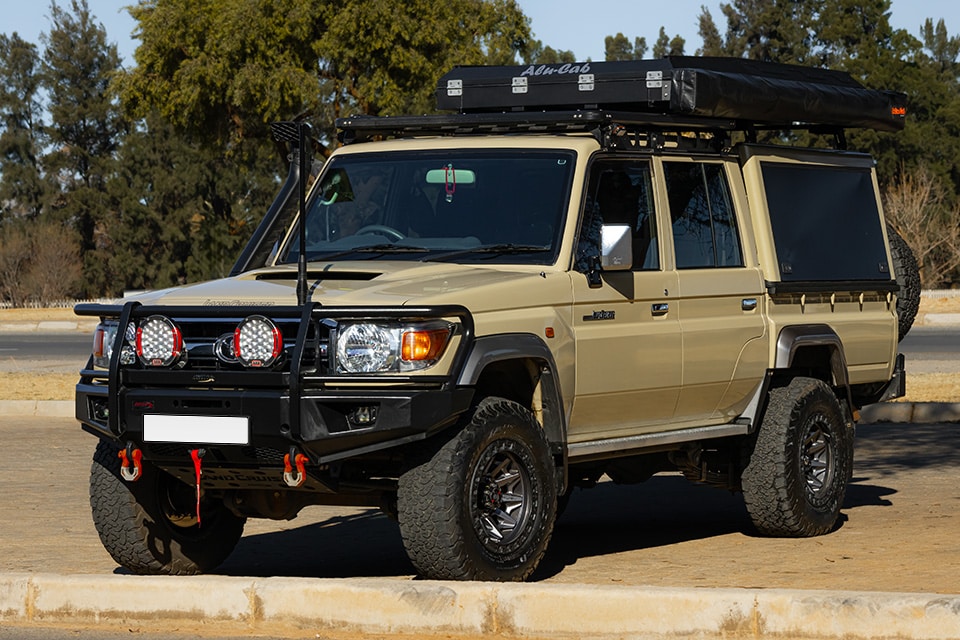
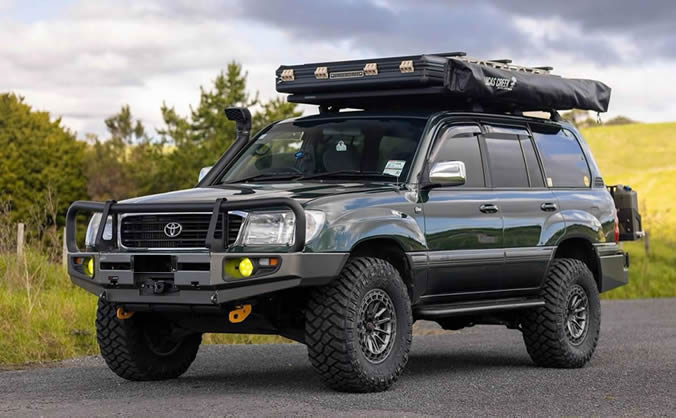

Comments (0)